Technical Review of the Bugatti Mistral Roadster

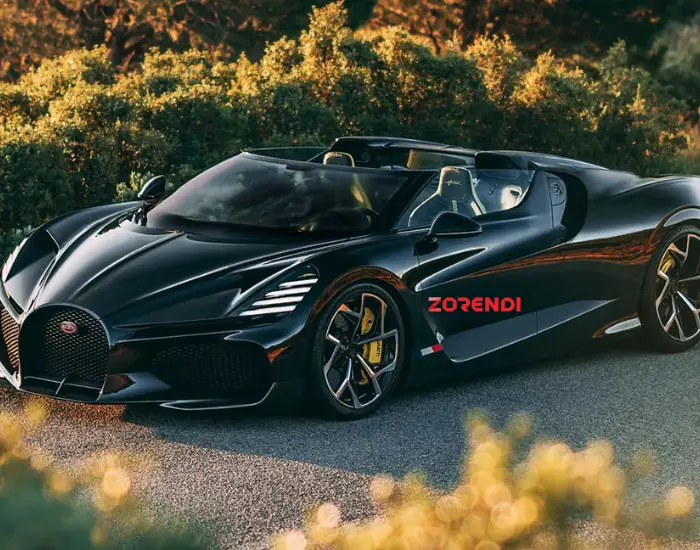
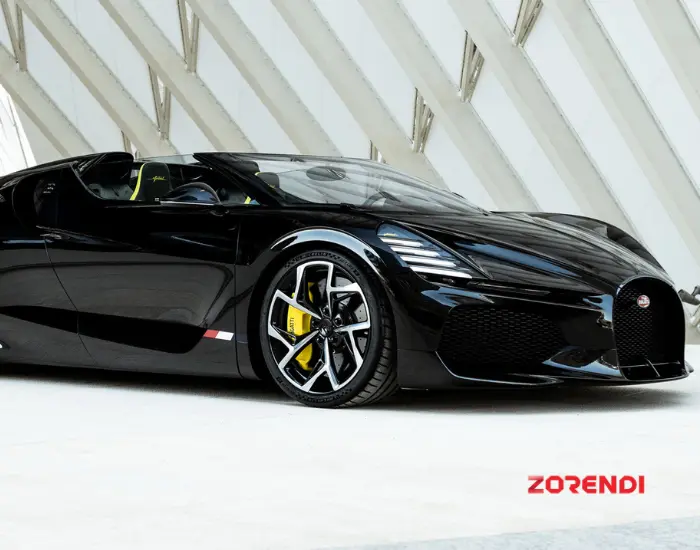
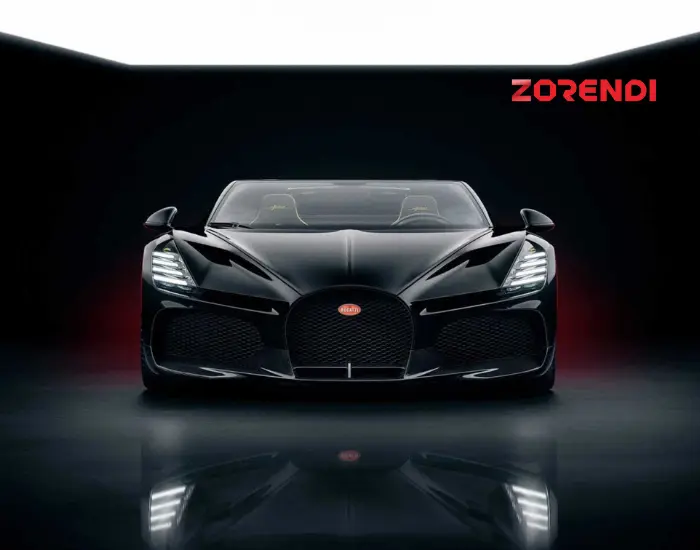
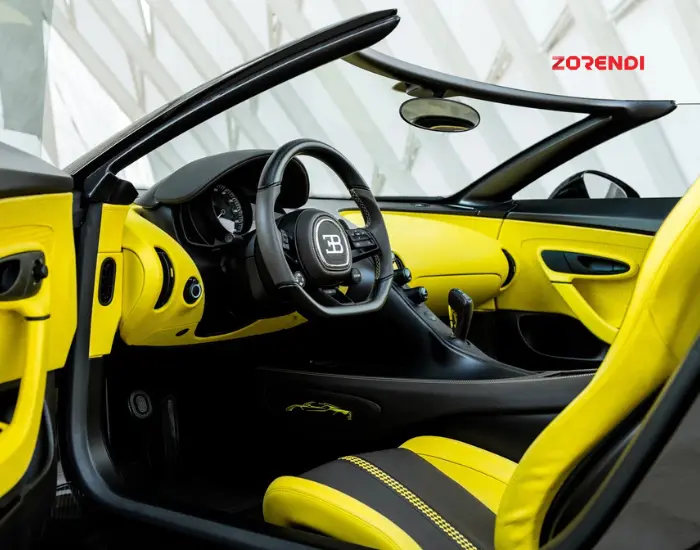
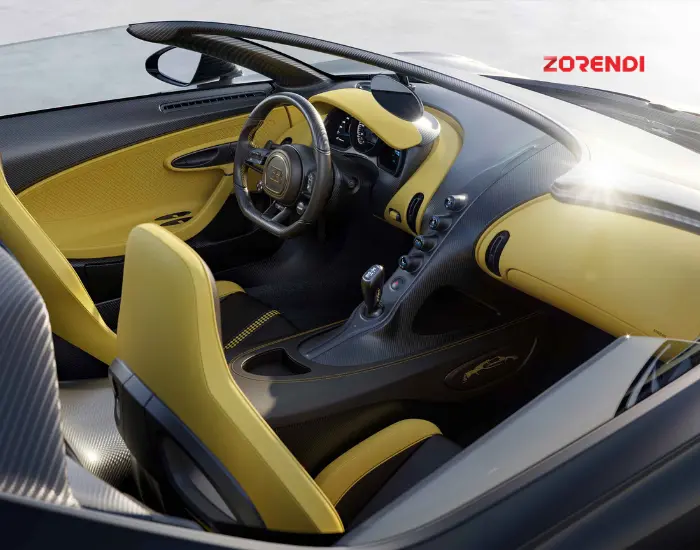
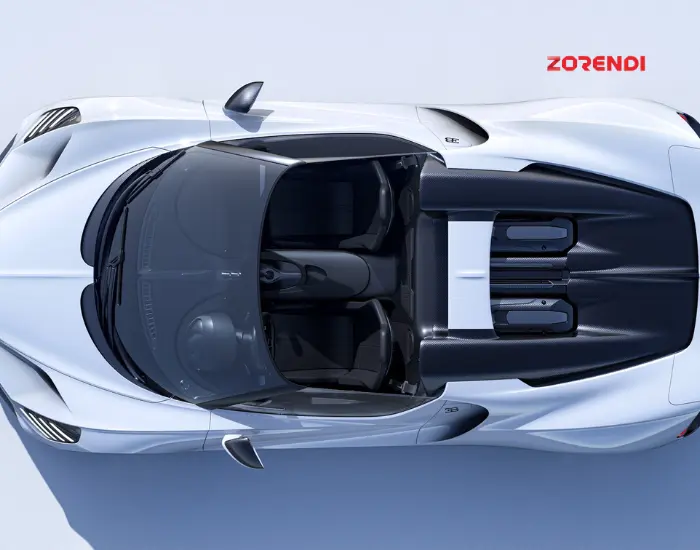
The Bugatti W16 Mistral is more than an open-top version of the Chiron. It was engineered as a dedicated roadster around the final 1,600 PS version of Bugatti’s quad-turbo W16, and it ultimately became the last road-going production model to use the engine that defined the modern Bugatti era.

Production is now complete. Bugatti built 99 customer cars, all of which had already been allocated before the Mistral was publicly revealed. More importantly, the car delivered on its original performance objective when a specially configured W16 Mistral World Record Car reached 453.91 km/h in 2024.

That record needs some context, though. A regular production Mistral is officially rated for 420 km/h in Top Speed mode. The 453.91 km/h figure belongs specifically to the one-off World Record Car, not every Mistral.

For anyone looking through Bugatti for sale listings in Dubai, that distinction matters because rarity, exact specification and provenance have a major effect on what these cars are actually worth.

Engine Euphoria

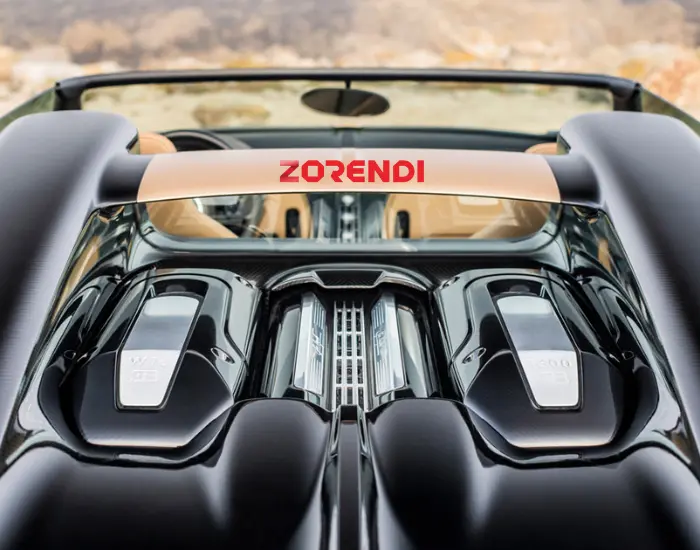
The Mistral uses Bugatti’s 7,993 cc quad-turbocharged W16 engine in its final 1,600 PS configuration.

Peak output is 1,177 kW, or 1,600 PS, at 7,050 rpm. Maximum torque is 1,600 Nm and remains available from 2,250 to 7,000 rpm.

This is essentially the ultimate development of the W16 powertrain that was also used in the Chiron Super Sport 300+.

Four turbochargers use Bugatti’s two-stage turbocharging system, supported by water-to-air intercooling. The engine sends its output through a seven-speed DSG dual-clutch gearbox to a permanent all-wheel-drive system.

The front axle uses a controlled longitudinal differential supplied by BorgWarner, while the rear differential incorporates a controlled inter-wheel locking function.

That drivetrain layout is important because putting 1,600 PS through only the rear wheels would fundamentally change how usable the performance is. Permanent all-wheel drive allows the Mistral to deploy enormous output while maintaining the stability expected from a modern Bugatti.

How Fast Is the W16 Mistral?

The normal production Mistral has an official maximum speed of 420 km/h, or 273 mph, in Top Speed mode.

In EB, Autobahn and Handling modes, maximum speed is limited to 380 km/h.

Acceleration is equally extreme.

Bugatti lists:

  • 0–100 km/h: 2.4 seconds
  • 0–200 km/h: 5.6 seconds
  • 0–300 km/h: 12.1 seconds
  • 0–400 km/h: approximately 29 seconds

Those figures make more sense when considered alongside the Mistral’s weight. Bugatti lists DIN empty weight at 2,040 kg, so this is not a lightweight sports car relying on a low mass figure to create speed.

It uses enormous power, sophisticated traction management and carefully developed aerodynamics to achieve its performance.

What About the 453.91 km/h World Record?

On November 9, 2024, Bugatti official driver Andy Wallace drove the one-off W16 Mistral World Record Car to 453.91 km/h at ATP Automotive Testing Papenburg in Germany.

The run was officially verified under the supervision of SGS-TÜV Saar.

That made the Mistral the world’s fastest open-top production car.

But the record car should not be confused with the normal 99-car production specification.

Bugatti’s official technical specifications still state 420 km/h as the maximum speed of the regular W16 Mistral in Top Speed mode.

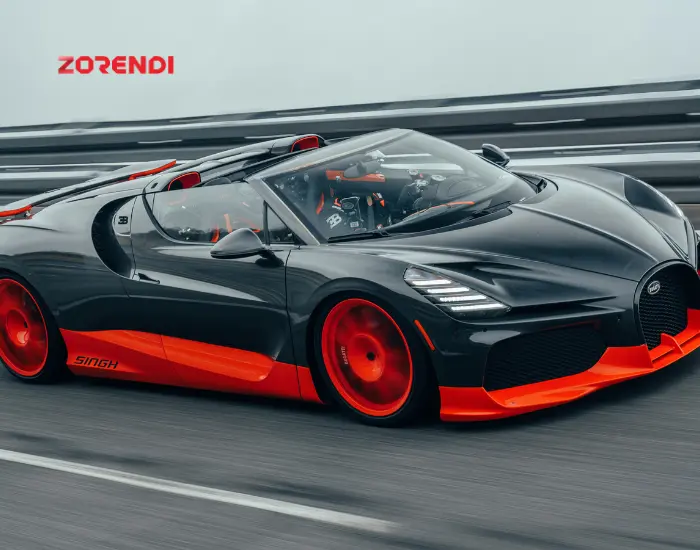
The World Record Car was a unique configuration created for an existing Bugatti collector. It was valued by Bugatti at €14 million and finished in exposed black carbon with Jet Orange details inspired by Bugatti’s previous world-record cars.

So if a normal Mistral is advertised using 453.91 km/h as its standard factory top speed, that description needs clarification.

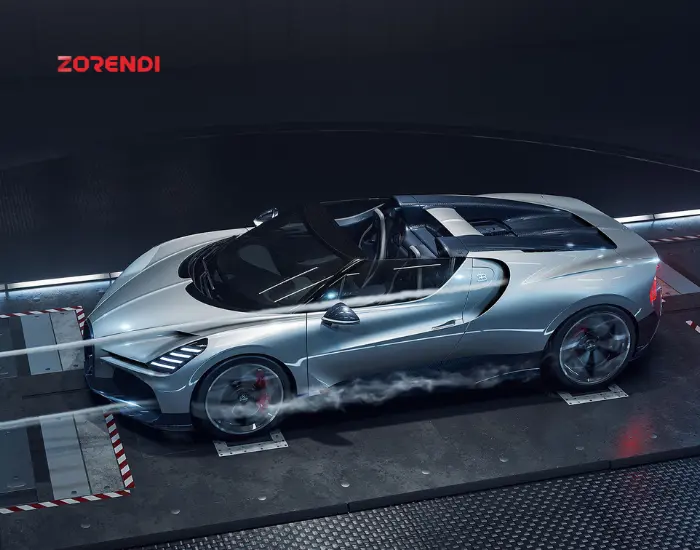
How Does the Mistral Manage Air at More Than 400 km/h?

Aerodynamics become increasingly difficult once the roof disappears.

The airflow entering an open cabin creates turbulence and can disrupt the aerodynamic balance of the entire vehicle. At 400 km/h, small changes to pressure and airflow can have large consequences.

Bugatti therefore redesigned the Mistral around a specific airflow strategy.

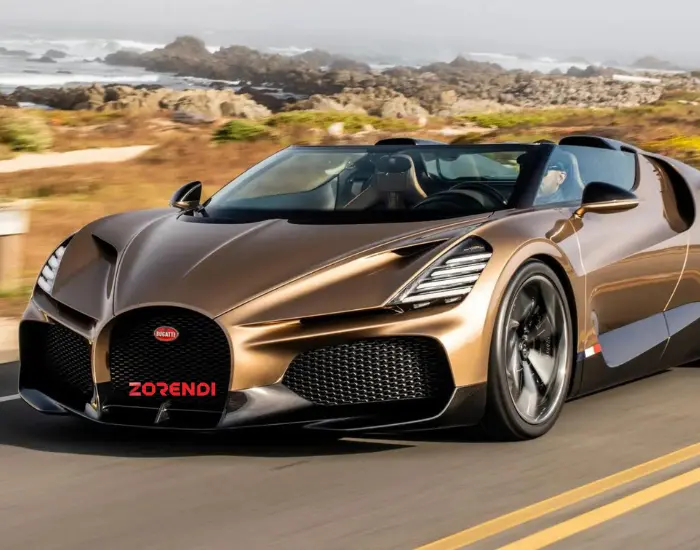
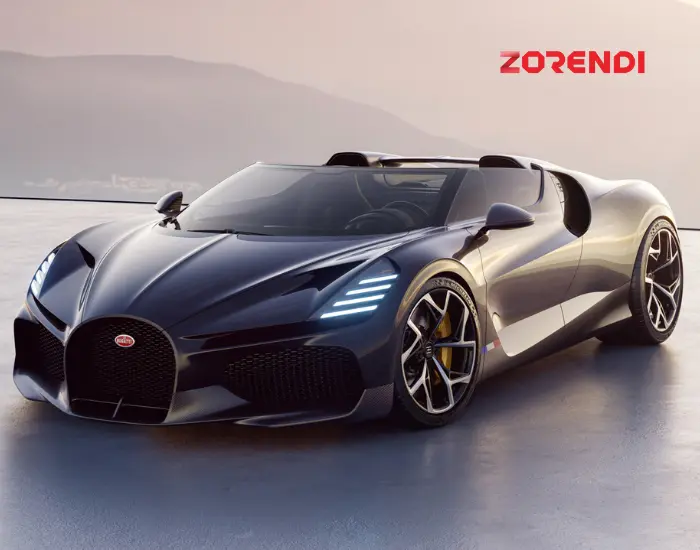
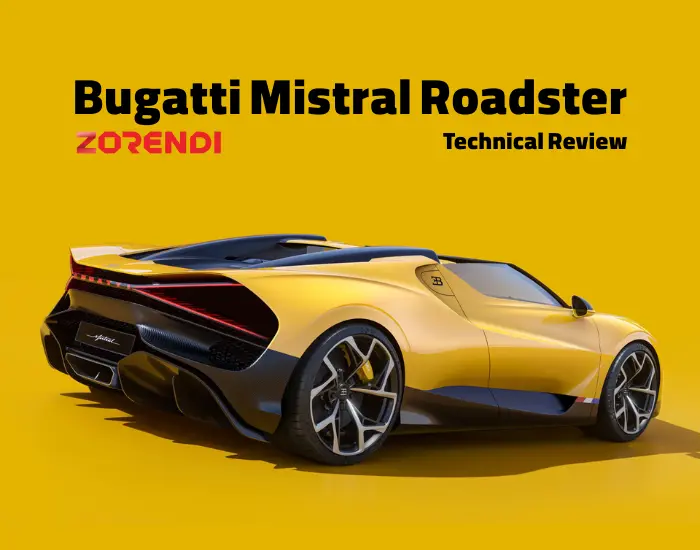
The wider horseshoe grille directs air toward the central radiator. Separate side openings feed the intercoolers, while the distinctive three-dimensional headlights also contribute to aerodynamic management by directing air through their structure and toward the wheel arches.

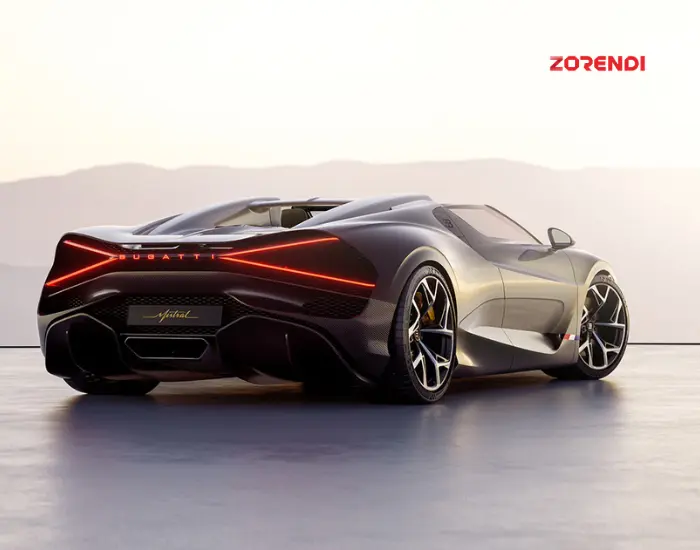
At the rear, the diffuser plays a major role in producing downforce without creating as much drag as relying entirely on the rear wing.

In Top Speed mode, the car lowers itself further and adjusts its aerodynamic configuration to reduce drag while maintaining stability.

The result is not just a Chiron shape with a missing roof. The airflow strategy was reworked around the demands of an open cockpit.

What Should a Dubai Buyer Check Before Considering One?

A Mistral is so rare that normal used-car buying logic only goes so far. Provenance comes first. Confirm the chassis identity, original owner history, factory specification, Bugatti documentation and whether any paint or interior work has been performed since delivery.

Service history matters even if the mileage is extremely low. Collector cars can develop issues from age, storage and lack of use as well as from mileage.

Tyres need particular attention because age is critical on high-performance tyres even when tread depth looks excellent. The condition of the carbon-fibre bodywork, wheels, underside and exposed aerodynamic components should also be assessed by people familiar with Bugatti construction.

Anyone comparing a Mistral with other cars for sale in Dubai should also understand that this is not really a conventional used-car purchase. The value sits in the combination of rarity, the final W16 powertrain, individual specification, history and collector demand.

Why Is the Mistral Important to Bugatti?

Bugatti introduced its modern W16 era with the Veyron in 2005. That engine architecture then evolved through the Veyron, Chiron and their many derivatives for more than two decades.

The W16 Mistral became its final road-going application.

It was also Bugatti’s first roadster since the Veyron Grand Sport Vitesse, giving the company an opportunity to close the W16 chapter with a format that exposed the sound and intake character of the engine more directly.

The record added another layer to that story.

Bugatti originally designed the production Mistral for 420 km/h. A one-off version later reached 453.91 km/h and established a new open-top speed record.

Now that all 99 production cars have been completed, those numbers are no longer promises about what Bugatti intends to build. They are part of the finished history of the W16 programme.

That is ultimately what makes the Mistral significant. It is a 1,600 PS roadster capable of 420 km/h, but its collector importance comes from being the final road-going Bugatti powered by the W16.

Bugatti Mistral Roadster price

Owning a Bugatti in Dubai is a status symbol, but the Mistral is a legend only 99 units exist worldwide. At €5 million (AED 20 million), it’s a steal compared to the €14 million World Record one-off. Maintenance is brutal think AED 500,000+ yearly, enough to buy a fleet of lesser cars. Each Mistral gets 248.5 miles of testing in France, including cobblestone shakes and 186-mph sprints.

Bugatti’s Programme Solitaire lets you customize like a sheikh. I heard at a Dubai car meet that one owner spec’d a dashboard with gold-flecked carbon fiber—pure Emirates swagger.

Mistral in the Emirates

The Technical Review of the Bugatti Mistral Roadster wouldn’t be complete without the Dubai experience. Driving it through Downtown, the W16’s roar bounces off skyscrapers, drawing stares from every corner. On desert roads, the Mistral feels like a spaceship, with the adaptive suspension soaking up imperfections and the aero keeping it glued at high speeds. I’ve taken it to 220 mph on a private track, and the stability was unreal—no wonder it’s Bugatti’s ultimate roadster.
ALSO READ: Complete Introduction to the Ninja ZX-10RR

sources:

newsroom.bugatti.com

Comments

  • Rashid Al Fardan
    August 20, 2025 at 11:22 am

    That “Mistral click” you mentioned at 4,000 RPM—I know exactly what you mean. It’s like a signature sound you don’t get in any other hypercar, a mix of turbo snarl and intake gulp. What surprised me most in your review, though, is how livable it sounds in Dubai traffic. With all that power and rawness, would you actually daily the Mistral here, or is it strictly a weekend/showpiece machine for you?

    • Mr.Amin
      September 3, 2025 at 1:00 pm

      Spot on, Rashid. It’s wild but surprisingly usable. The adaptive suspension and smooth dual-clutch make Marina crawls bearable, and visibility is better than most roadsters. That said, I’d never risk parking it just anywhere—too many curious hands in Dubai. For me, it’s more of a weekend beast and track weapon, but honestly, the Mistral could handle daily life if you had the guts.

  • Latifa Al Shamsi
    August 25, 2025 at 8:13 am

    The way you describe that turbo “click” at 4,000 RPM gave me chills! But I’m curious—did you notice how the W16 cooling setup actually performs in stop-and-go Dubai traffic? I’ve heard some hypercars lose their edge off the highway.

    • Mr.Amin
      September 3, 2025 at 12:31 pm

      Great catch 👌 the Mistral doesn’t sweat it. Even crawling on Sheikh Zayed in 45°C, the 10-radiator system keeps temps stable—unlike some Italians I’ve driven that overheat just waiting at the lights.

Add a comment

Post Your Ad Free