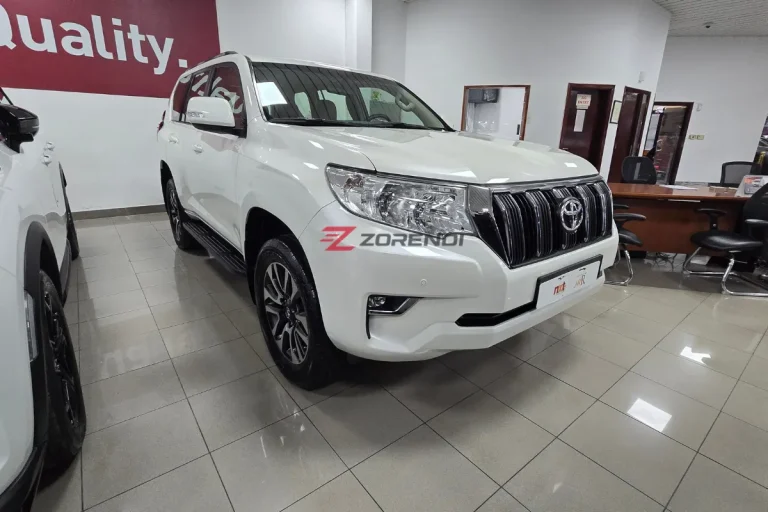
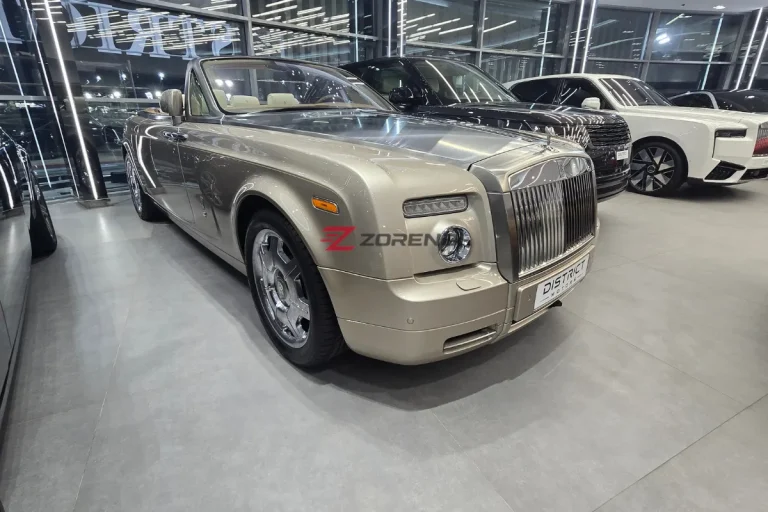
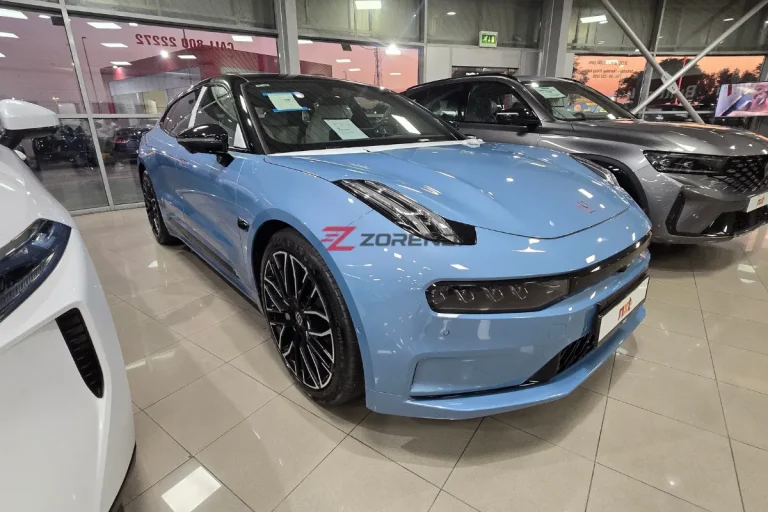
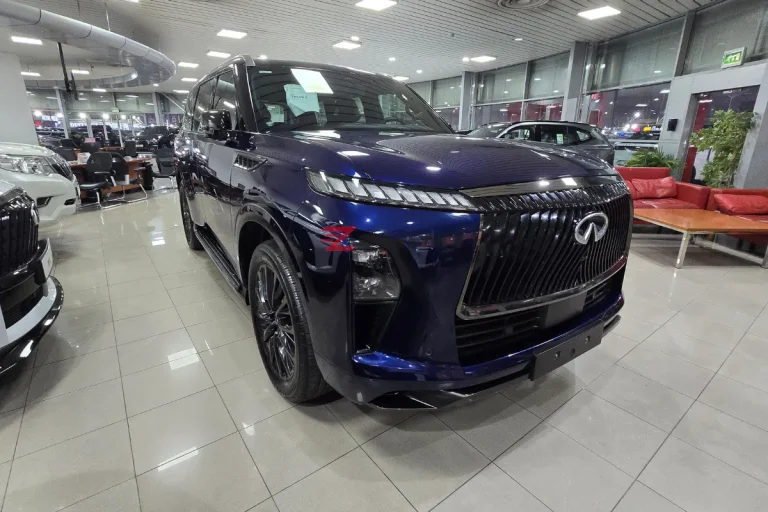
There’s a pattern that becomes obvious once you’ve looked at enough car listings in Dubai. The cheapest cars don’t always attract the most attention, and the higher-priced ones aren’t always overpriced. What looks like a simple price difference is usually something else entirely.
Market snapshot
Most used cars in Dubai sit anywhere from entry level 15K AED up to well beyond 500K AED depending on segment
Fast-moving listings are usually well priced sedans, clean SUVs, and cars that feel easy to own
Slower listings often include over modified cars, unclear imports, or cars priced below trust level
The main price driver is not mileage alone, it’s confidence in the car
GCC cars consistently move faster than imports due to perceived reliability and resale ease
Some cars become harder to sell simply because they look too cheap for what they are
Buyers are not just comparing prices, they’re comparing risk
In Dubai, the winning car is not always the cheapest one.
Buyers compare more than price. They look for confidence, history, GCC specification,
realistic mileage, clean ownership signals, and a listing that does not create doubt.
That is why two similar cars can perform very differently on the market.
Clean SUVs move quickly
Practical SUVs with clear condition, fair mileage, and easy ownership history usually
attract serious buyers faster.
GCC specs reduce doubt
GCC cars often feel safer for local buyers because service, climate suitability, and resale
expectations are easier to understand.
Cheap can look risky
When a car is priced too low, buyers often pause. They start asking what the listing is not
telling them.
Trust beats mileage
Mileage matters, but service records, ownership history, condition, and seller clarity often
decide the real value.
01
Fast-moving listingsUsually clean sedans, SUVs, and well-priced cars with enough detail to remove hesitation.
02
Slow-moving listingsOften over-modified cars, unclear imports, weak descriptions, or prices that look suspicious.
03
Real buyer questionNot “is it cheap?” but “can I trust this car enough to move forward?”
Zorendi market note
The Dubai car market rewards listings that explain themselves well. A strong price helps,
but clear history, GCC confidence, realistic condition, and buyer trust are what usually
separate cars that sit from cars that actually sell.
Price behavior
Car prices in Dubai don’t move in clean steps. Two similar cars can sit tens of thousands apart without either being obviously wrong. A clean GCC SUV with 120,000 km can still attract more buyers than a cheaper import with half the mileage, simply because it feels easier to trust.
The cheaper car doesn’t always win attention. In many cases, it creates hesitation. Buyers start asking why it’s cheaper instead of feeling like they’ve found a deal. That hesitation is what keeps listings active longer than expected.
Most buyers misread car listings in Dubai in the same way.
They treat mileage like the full story, which is lazy. A higher-mileage car with clear history often moves faster than a low mileage one with uncertainty.
They underestimate the importance of spec and ownership history. Cars that “look fine” can still feel difficult to justify when compared properly.
They assume cheaper automatically means better value. In this market, cheaper often means more questions.
Zorendi Observational Index
What actually changes buyer confidence in Dubai car listings?
Most car platforms show price, mileage, year, and photos. That is useful, but it does not explain why one car gets serious enquiries while another sits for weeks. This index reads the hidden signals buyers usually react to before they contact a seller.
Buyer confidence impact score
The chart below ranks the signals that usually affect buyer confidence before inspection. A higher score means the factor can strongly change how safe or risky a listing feels.
Clear service history
94
GCC specification
91
Realistic asking price
86
Clean ownership story
82
Mileage believability
74
Photo quality
62
Reading: A cheap listing with weak history can feel riskier than a more expensive listing with clear ownership, service records, and GCC confidence.
Hidden risk map
These are the areas where many Dubai buyers slow down. The car may look fine online, but doubt builds when important context is missing.
Fast decision zoneClear price, clear history, clean condition, realistic mileage.
In Dubai, a price that looks unusually low can reduce confidence. Buyers often assume there is a hidden reason and delay the enquiry.
Pattern 02
The GCC confidence gap
GCC cars usually feel easier to understand because climate suitability, resale expectations, and ownership context are more familiar.
Pattern 03
The mileage trap
Mileage matters, but it does not work alone. A higher-mileage car with a clean story can outperform a lower-mileage car with uncertainty.
Why this matters for cars for sale in Dubai
Buyers are not only filtering cars by price. They are filtering risk. A strong listing explains why the price makes sense, why the car can be trusted, and why the next owner should feel comfortable moving forward.
Demand pattern
The Dubai car market is wide, but demand is not evenly distributed. Buyers tend to move toward cars that feel predictable, easy to maintain, and easy to resell. That’s why certain SUVs and practical sedans move quickly, while others sit longer even at lower prices.
Cars don’t fail because they’re bad. They fail because they don’t match what buyers are actively looking for at that moment.
Cars for sale in Dubai rarely tell the full story through price alone. Some listings look like deals until someone actually sees the car, checks the history, or compares it properly. That’s usually where the difference shows.
At the same time, higher priced cars continue to sell because they remove doubt. Clean ownership, strong condition, and clear history allow buyers to move forward without second-guessing.
Cheap doesn’t close deals. Clarity does.
Dubai demand by price range
Popular car choices in Dubai across economy, mid-range, and luxury budgets
Demand in Dubai is not concentrated in one price band. Budget buyers usually look for low running costs, mid-range buyers focus on comfort and family usability, while luxury buyers compare status, power, condition, and resale confidence.
Economy range
Under 60K AED
Buyers care about fuel economy, maintenance, spare parts, and whether the car feels safe to own after purchase.
Mid-range
60K–180K AED
Demand shifts toward SUVs, family space, newer tech, GCC specs, and cars that can resell without heavy loss.
Luxury range
180K AED+
Buyers compare brand image, trim, service history, warranty, ownership story, and clean condition.
High-mileage examples can look similar online, so service history matters.
Fuel economyParts accessResale trust
Nissan Sunny
Budget commuter
Economy
88Demand score /100
Why buyers like it
Simple city driving, low fuel use, predictable costs, and easy entry into car ownership.
Main risk
Condition varies heavily, especially on older fleet-style examples.
Low costCity useSimple ownership
Toyota Camry
Comfort sedan
Mid-range
91Demand score /100
Why buyers like it
Strong balance of comfort, reliability, resale value, and daily usability across Dubai.
Main risk
Buyers compare mileage and trim closely, so overpriced examples can sit longer.
ComfortReliabilityResale value
Toyota Prado
Resale-focused SUV
Mid-range
90Demand score /100
Why buyers like it
Strong UAE reputation, trusted durability, and a buyer base that understands the car well.
Main risk
Clean GCC examples can command strong prices, so buyers inspect condition carefully.
GCC trustSUV demandResale strength
Nissan Patrol
Premium family SUV
Luxury
95Demand score /100
Why buyers like it
One of Dubai’s strongest SUV names, with road presence, family appeal, and local familiarity.
Main risk
Fuel cost, trim differences, and accident history can change buyer confidence quickly.
Road presenceFamily useLocal demand
Toyota Land Cruiser
High-trust SUV
Luxury
94Demand score /100
Why buyers like it
Strong prestige, desert capability, family practicality, and one of the clearest resale stories in the UAE.
Main risk
Prices can stay high, so buyers expect strong condition and clean ownership history.
PrestigeDurabilityResale power
Economy buyers move fast when risk is low
In the lower price range, buyers do not want surprises. Clear history and realistic mileage usually get more serious attention.
Mid-range demand is led by practicality
SUVs and reliable sedans perform well because they fit family use, work commutes, and resale expectations at the same time.
Luxury buyers compare confidence, not only badge
In higher budgets, condition, GCC specs, warranty, trim, and ownership story can matter as much as the model name itself.
Zorendi market note
The most popular cars for sale in Dubai are not always the newest or the cheapest. They are usually the cars that match a clear buyer need: low-cost ownership, family practicality, strong resale confidence, or luxury status with enough history to feel safe.
Signature insight
After watching enough used cars in Dubai, one pattern becomes hard to ignore. The market doesn’t reward the lowest price. It rewards the car that gives buyers the fewest reasons to hesitate. That difference is what separates listings that sit from those that actually move.
Read More:
FAQ Cars for Sale in Dubai
Why do some cheaper cars in Dubai stay listed longer than more expensive ones?
A low price does not always make a car easier to sell. In Dubai, buyers often become suspicious when a car looks too cheap for its model, year, or condition. They start looking for the reason behind the price, and that hesitation can keep the listing active longer.
Is mileage still the main thing buyers should compare?
Mileage matters, but it is not enough by itself. A car with higher mileage and a clear service history can feel safer than a lower mileage car with missing details. Buyers usually trust the car that explains itself better.
Why do GCC cars usually get more attention than imports?
GCC cars usually feel easier to understand for Dubai buyers. The history is often clearer, the resale path feels safer, and there is less doubt around long term ownership. Imported cars can still sell well, but they need a stronger reason beyond being cheaper.
Why can two similar cars have very different prices?
Two cars can look similar in photos but feel very different once compared closely. Condition, service records, color, ownership history, and even how the seller presents the car can change buyer confidence. The price gap often comes from trust, not just the car itself.
Are cheaper cars usually better deals after inspection?
Not always. Some cars look attractive online because the price hides the difficult parts. Once the buyer checks the history, condition, or repair needs, the deal can feel much weaker than it looked at first.
Stay updated with the latest car news and articles on the Zorandicar blog.