Price Movement
Audi pricing in Dubai is highly sensitive to model year, mileage, trim level, and whether the car is GCC-spec or imported. Clean low-mileage SUVs usually keep stronger attention, while older sedans need more accurate pricing.
{{locationDetails}}
{{locationDetails}}
Audi for sale in Dubai feels predictable at first. Clean designs, wide supply, familiar pricing tiers. But once you watch long enough, the pattern starts breaking. The cars that should move fast don’t always move, and the ones priced higher than expected somehow get taken more seriously.
That gap is where most decisions go wrong.
Read More: Audi A6 2025 Review: Luxury Sedan Redefined for the Future
Audi demand in Dubai is split between practical premium sedans, family SUVs, and performance-focused S models. The strongest listings are usually clean GCC-spec cars with verified mileage, clear service history, and realistic pricing against year and trim.
Usually chosen by drivers who want a premium SUV with space, comfort, and a more understated image than some luxury rivals.
Higher trims, low mileage, and clean service records hold attention better. Older high-mileage cars need sharper pricing.
One of the stronger Audi SUV searches in Dubai.
GCC specs are usually preferred. Buyers look closely at mileage, tyres, suspension condition, and service history.
Appeals to drivers who want an Audi SUV without moving into the size and running cost of a Q7.
Well-kept examples with reasonable mileage tend to perform better. Overpriced imported units can sit longer.
Good demand from practical luxury buyers.
A strong fit for Dubai daily use. GCC-spec cars with documented maintenance usually create more buyer confidence.
Often considered by drivers who want a refined German sedan with comfort, technology, and a professional image.
Clean, newer cars are easier to justify. High-mileage sedans need transparent pricing and strong maintenance proof.
Consistent, but more selective than SUVs.
Buyers compare it closely with BMW 5 Series and Mercedes E-Class, so trim, interior condition, and mileage matter.
Attracts buyers moving from mainstream cars into a German badge without taking on large SUV costs.
Small differences in mileage, accident history, and service records can noticeably affect buyer interest.
Good value buyers exist, but they compare heavily.
Imported specs need clearer inspection details. GCC-spec examples usually feel safer for cautious buyers.
Usually targeted by buyers who care about acceleration, quattro grip, sound, tuning potential, and rarity.
Accident history, modifications, service gaps, and hard usage can reduce confidence quickly, even if the car looks attractive.
Smaller buyer pool, but serious buyers move fast on clean cars.
Pre-purchase inspection is important. Buyers usually prefer unmodified cars or cars with documented, quality upgrades.
For Audi cars in Dubai, GCC specs, clean paint history, verified mileage, and service records can change buyer response more than small feature differences. Imported-spec cars can still sell, but they usually need stronger transparency and a more realistic price position.
Audi price Dubai behavior revolves around perceived completeness. A 2020 RS5 might sit at 285,000 AED with 40,000 km and struggle, while another listed at 305,000 AED with similar mileage but stronger spec and cleaner condition moves quicker. The cheaper car doesn’t always attract more buyers. In many cases, the higher-priced car feels easier to justify.
Mileage plays a role, but spec clarity matters more than buyers expect. A Q7 with higher mileage but full options and consistent condition often feels like the safer choice compared to a lower mileage base-spec version. Buyers are not just comparing numbers. They’re trying to reduce uncertainty.
Most buyers misread Audi listings in Dubai in the same way.
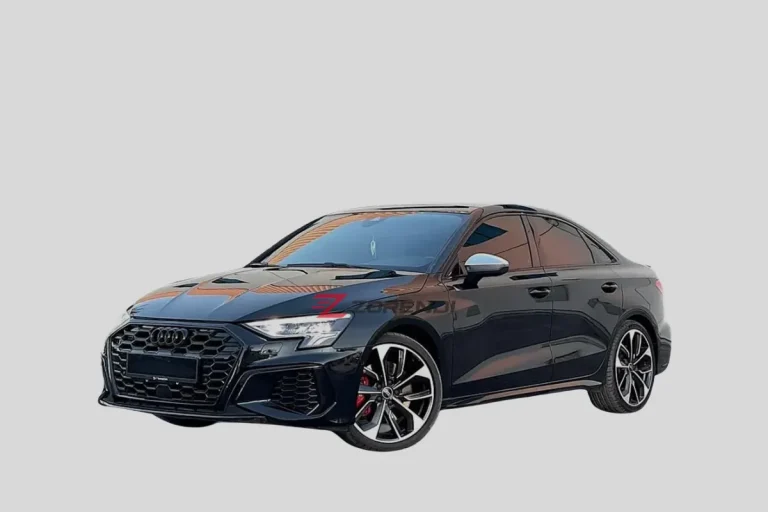
Read More: Audi A3 Sedan Full Review
Audi listings in Dubai do not move only by model name. Buyer response usually changes with year, mileage, trim, GCC or imported specs, service history, and how realistic the asking price feels against similar cars.
Audi pricing in Dubai is highly sensitive to model year, mileage, trim level, and whether the car is GCC-spec or imported. Clean low-mileage SUVs usually keep stronger attention, while older sedans need more accurate pricing.
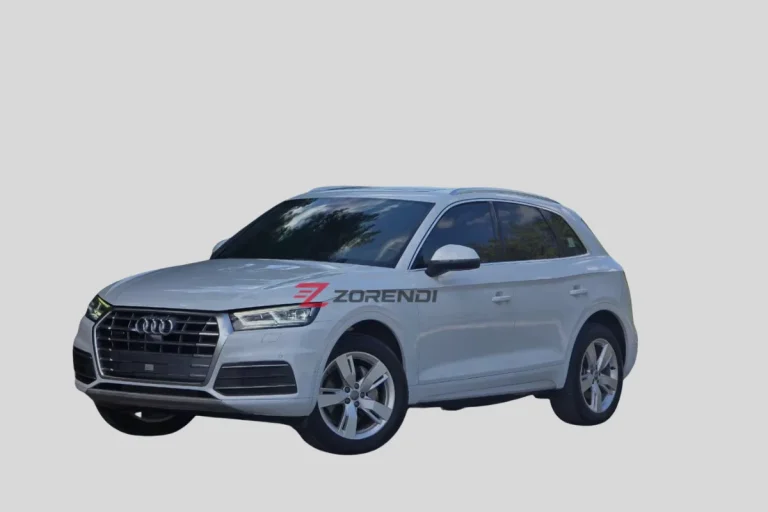
Audi Q5 and Q7 listings often move faster when the price is realistic and the car has GCC specs, clean service records, and a neutral exterior color. Buyers respond well to practical luxury SUVs that feel safe for daily Dubai use.
Some Audi listings can take longer to sell when the car has high mileage, uncommon colors, unclear import history, or modifications that reduce buyer confidence. Performance models can attract attention, but buyers inspect condition more carefully.
Before contacting a seller, Audi buyers should compare the asking price with mileage, trim, accident history, service records, and spec type. A cheaper listing is not always better if the maintenance background is unclear.
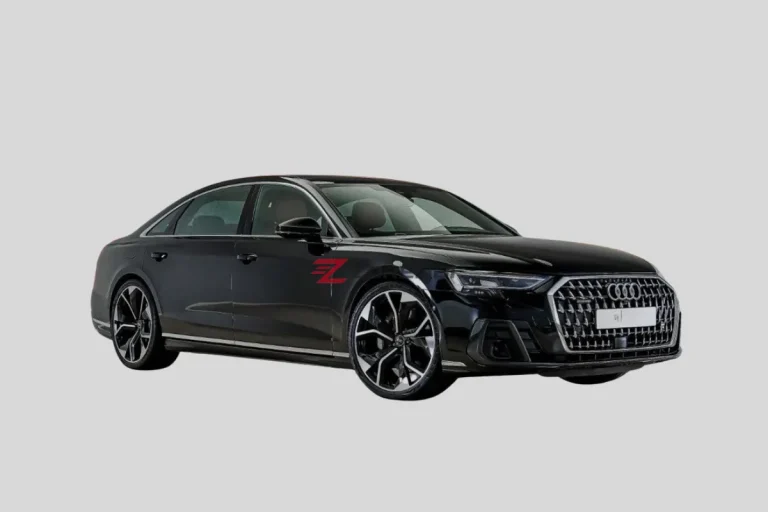
Audi attracts a wide buyer range, but demand is not evenly distributed. Performance models move because they feel intentional. SUVs like Q7 sell because they fit daily life. Executive sedans struggle unless priced aggressively or exceptionally clean.
They don’t fail because they’re bad, they fail because they don’t match demand.
That’s where buyers hesitate.
Used Audi UAE listings often create a false sense of simplicity. The cheaper options look like easy wins until you actually compare them closely. Some listings only look like deals until someone actually inspects the car.
Meanwhile, slightly overpriced listings still sell because they eliminate doubt early. Clean presentation, clear spec, no hidden compromises. That’s what buyers respond to.
The real deal detection insight is uncomfortable. If an Audi looks underpriced and still available, the issue is usually visible once you know where to look.
Read More: Porsche 911 Turbo S vs Audi R8 Which One Wins?
A good Audi listing is not only about the badge or the lowest asking price. In Dubai, the stronger listings usually combine the right model year, sensible mileage, clear spec details, clean history, and a price that matches the trim level.
A clean ownership and accident background usually gives buyers more confidence.
Mileage should feel logical for the model year and overall condition.
Neutral exterior and interior combinations often attract wider demand in Dubai.
Clear details about specs, history, and service records reduce buyer hesitation.
Good photos of exterior, interior, wheels, dashboard, and seats help buyers decide faster.
The price should match the year, trim, mileage, GCC/import status, and condition.
You start noticing the market isn’t about finding the lowest price, it’s about avoiding the wrong kind of car. Listings don’t compete on affordability, they compete on how quickly they make sense.
And the ones that win are the ones that feel resolved before you even ask questions.
Because price alone doesn’t solve doubt. Some listings look fair on paper, but the spec, condition, or history feels incomplete. Buyers slow down when the car doesn’t fully make sense.
Not always. A higher mileage Audi with better condition and stronger options can be more attractive than a low mileage base spec car. That’s the mistake many buyers make.
GCC cars usually get more trust in Dubai, but that doesn’t make every GCC car better. A clean import with clear history can be stronger than a poorly maintained GCC example. Perception and reality don’t always match.
RS buyers usually know exactly what they want, so they decide faster. Standard Audi models get compared against too many alternatives, which slows demand. The car may be good, but the buyer pool is less decisive.
A good deal feels consistent, not just cheap. The price, spec, condition, and photos should all support each other. If the car looks underpriced but keeps sitting, there is usually a reason.
Because they remove doubt earlier. Buyers often pay more when the car feels cleaner, better specced, and easier to trust. In Dubai, clarity often beats a lower asking price.