Popular Model
Typical Buyer
Price Behavior
Demand Level
Best Use Case
Market Notes
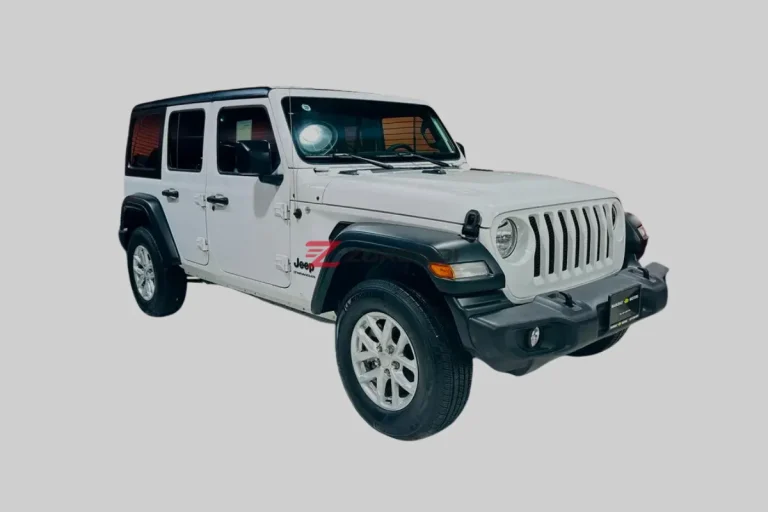
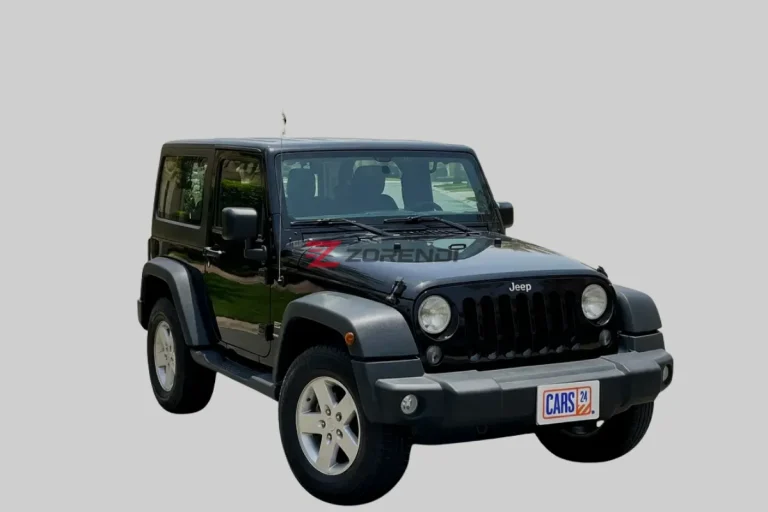
Jeep Wrangler
Off-road SUV
Lifestyle buyers, off-road users, weekend drivers, younger SUV buyers
Firm
Clean GCC examples with tasteful upgrades can stay priced strongly.
Strong
Weekend drives, desert use, lifestyle ownership, modified SUV appeal
Wrangler demand is strong, but buyers check modifications, accident history, overheating signs,
tyre condition, and whether off-road use was heavy.
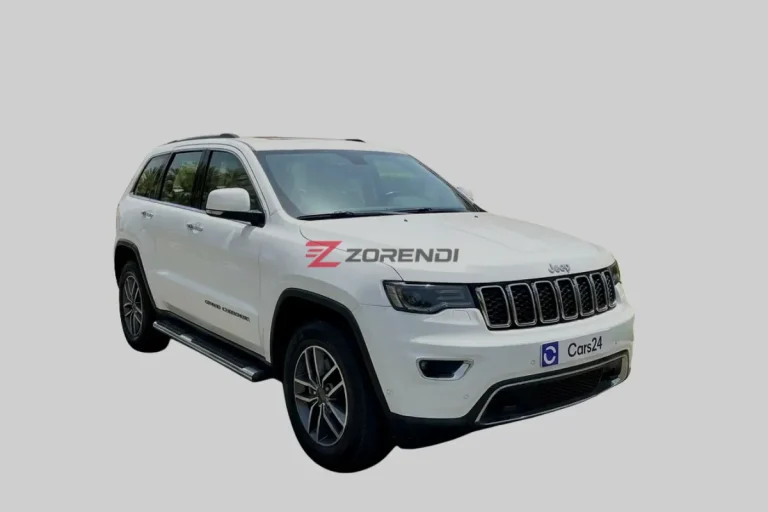
Jeep Grand Cherokee
Premium Family SUV
Families, comfort-focused SUV buyers, drivers comparing American and Japanese SUVs
Balanced
Prices shift clearly with engine, trim, mileage, and service history.
Medium
Family driving, highway comfort, daily SUV ownership
GCC specs help buyer confidence. Higher trims can hold attention, but high-mileage examples
need stronger maintenance proof.
Jeep Cherokee
Midsize SUV
Practical SUV buyers, small families, users looking below Grand Cherokee prices
Sensitive
Price becomes sensitive when mileage is high or service history is unclear.
Selective
Daily commuting, family use, mixed city and highway driving
Buyers usually compare Cherokee listings against Japanese SUVs, so condition and price must
feel realistic.
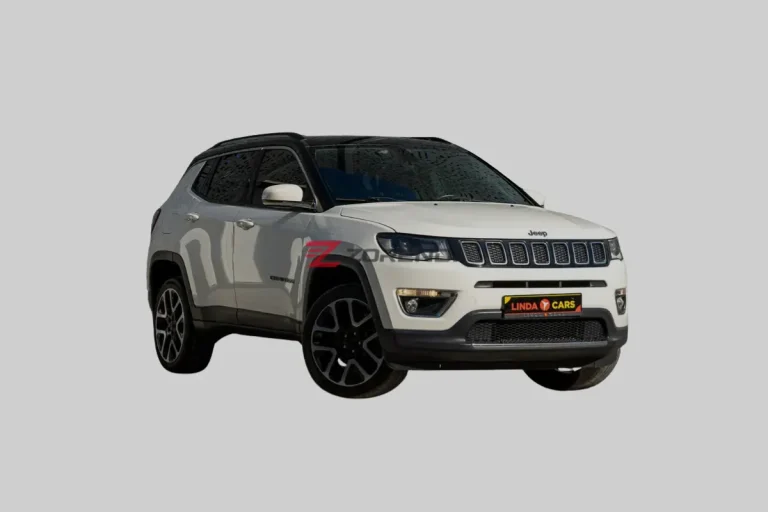
Jeep Compass
Compact SUV
Urban SUV buyers, first-time SUV owners, budget-conscious premium-style buyers
Flexible
Pricing varies by year, trim, mileage, and how clean the ownership history looks.
Niche
City driving, compact SUV use, daily commuting
Compass can work when priced sharply. It usually needs a cleaner value story than Wrangler
or Grand Cherokee.
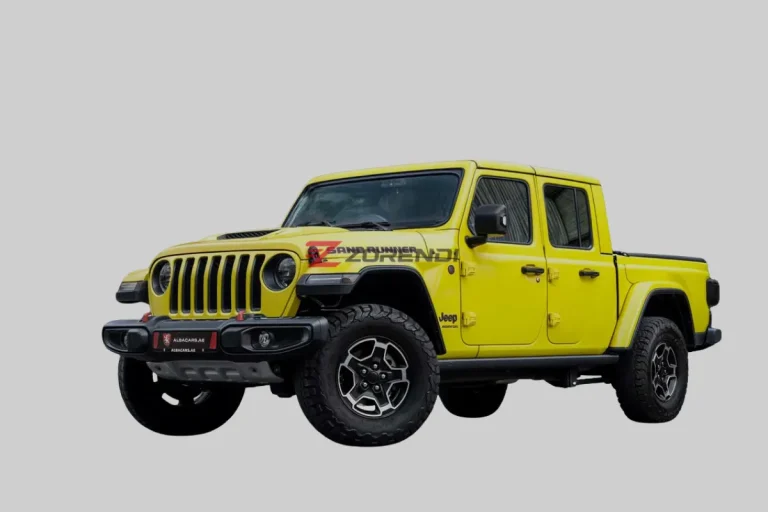
Jeep Gladiator
Lifestyle Pickup
Outdoor users, off-road fans, pickup buyers wanting a more distinctive vehicle
Premium
Low-mileage and well-equipped examples can sit high, but demand is more selective.
Selective
Off-road trips, lifestyle pickup use, weekend driving
Gladiator buyers look closely at modifications, suspension work, tyre setup, accident records,
and whether the price makes sense against Wrangler listings.