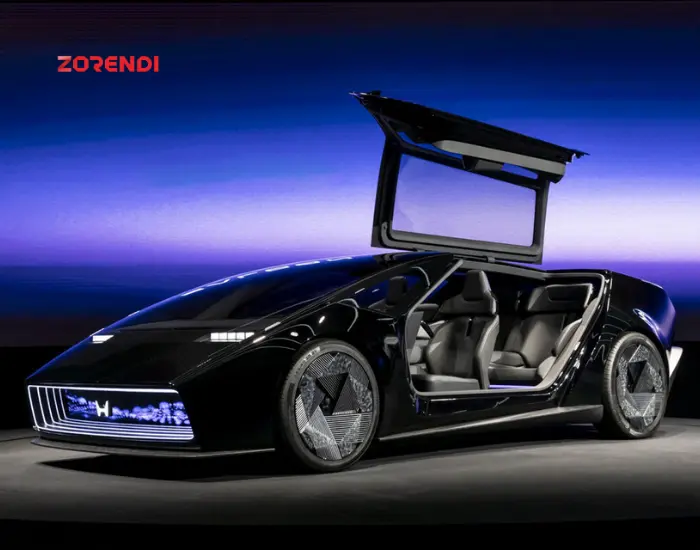
Technical Specifications and Innovative Features of the Honda 0 Saloon
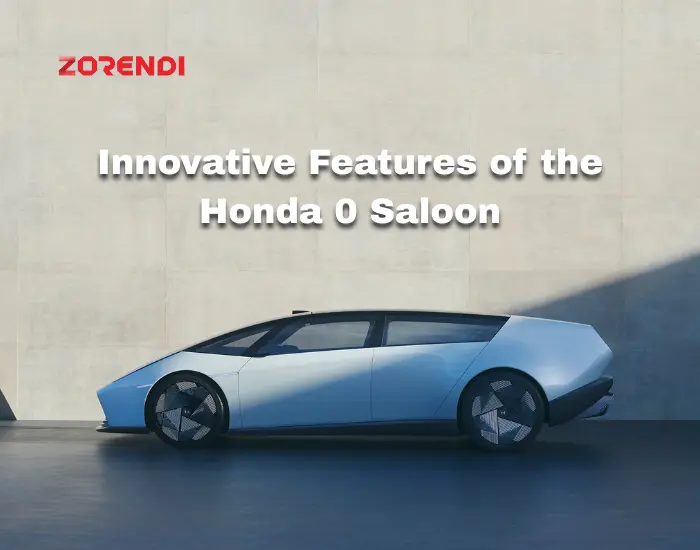
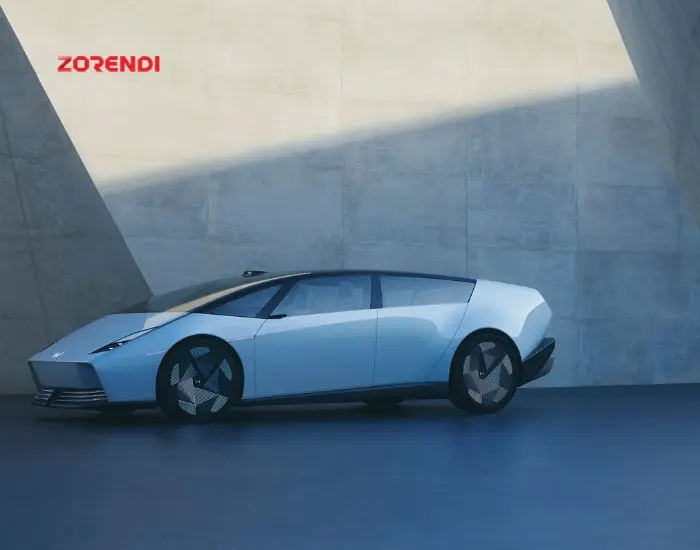
The Honda 0 Saloon was supposed to become the flagship of Honda’s next-generation electric vehicle range, built around a low-slung body, a new dedicated EV platform, ASIMO OS and more advanced automated-driving technology. That plan has now changed: Honda officially cancelled the development and market launch of the 0 Saloon in March 2026.

That makes an important difference for anyone researching the car today. The Honda 0 Saloon should no longer be treated as an upcoming production EV with a confirmed price, battery size or launch date. What remains relevant is the technology Honda demonstrated through the concept and prototype, much of which showed where the company wanted its next generation of EVs to go.

For UAE buyers browsing Honda cars for sale in Dubai, the 0 Saloon is therefore better understood as an important development project rather than a vehicle you can currently order.

What Was the Honda 0 Saloon?

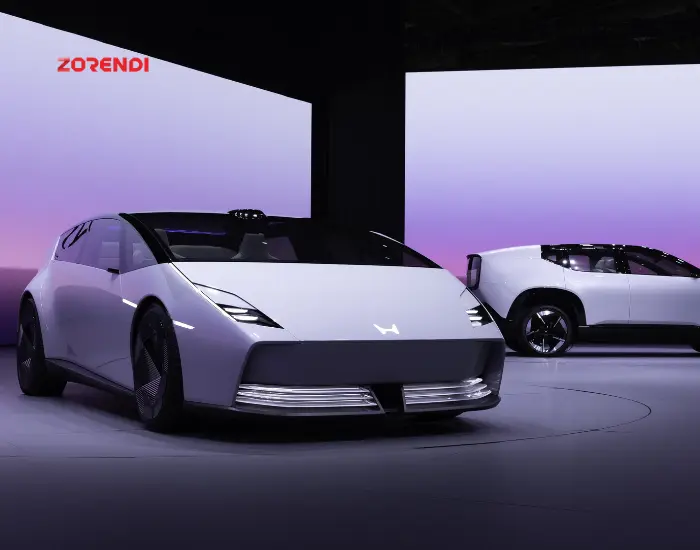
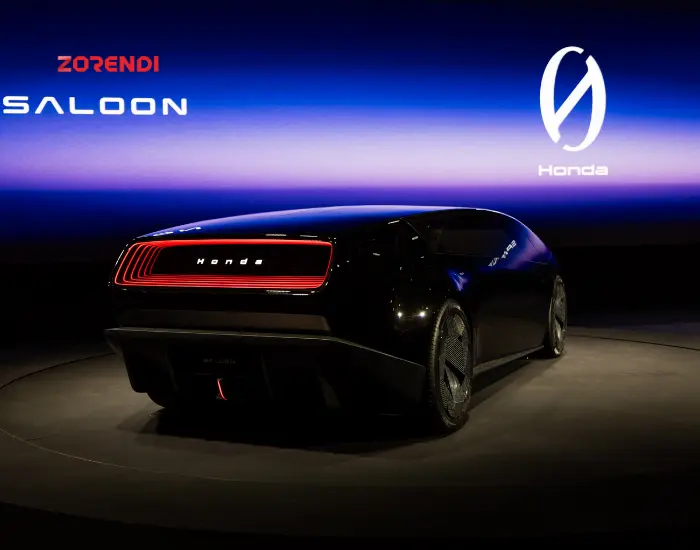
Honda first revealed the Saloon concept at CES 2024 as the flagship of its new Honda 0 Series.

The idea behind the project was straightforward: Honda did not want its next EVs to follow the usual formula of increasingly large batteries, tall floors and heavy bodies. Instead, it introduced a development philosophy called “Thin, Light, and Wise.”

The Saloon was intended to demonstrate all three parts.

“Thin” referred to a low vehicle height, compact electric components and a thinner battery structure.

“Light” focused on reducing unnecessary mass and giving the vehicle more responsive driving characteristics.

“Wise” covered software, connected functions, driver assistance and the use of artificial intelligence.

Honda then showed a more production-focused Honda 0 Saloon prototype at CES 2025. At that stage, the company said it planned to introduce the production model first in North America in 2026, followed by other global markets.

That launch will no longer happen following Honda’s 2026 decision to cancel the project.

Why Did the Honda 0 Saloon Look So Different?

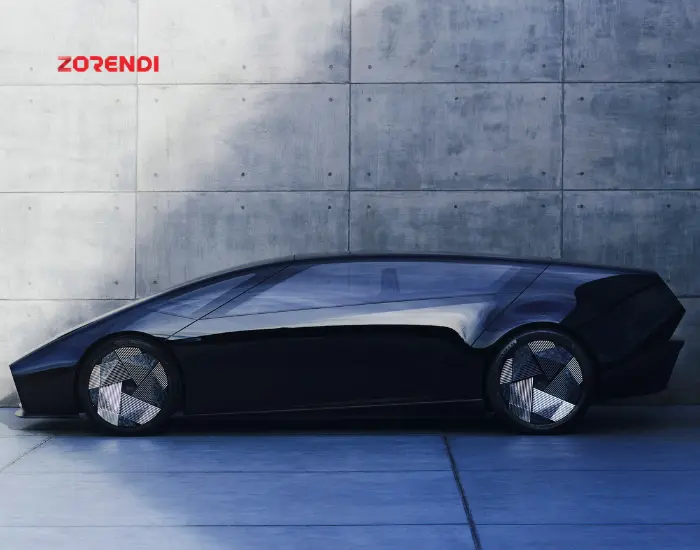
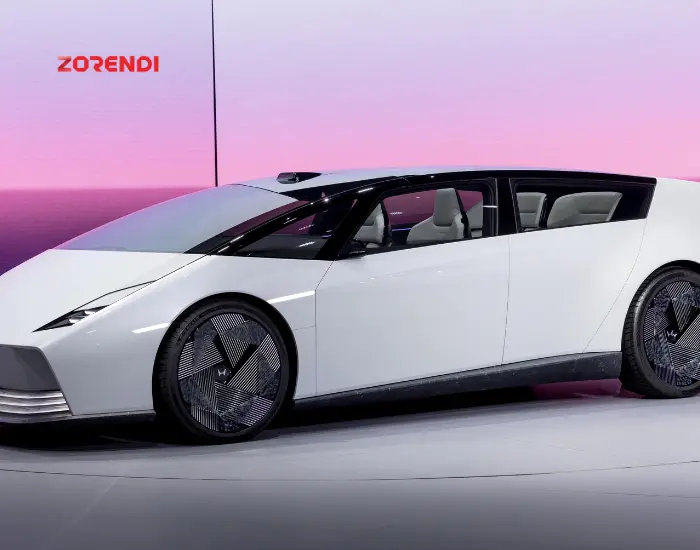
One of Honda’s main engineering goals for the 0 Series was to lower the floor and powertrain components enough to create a low-roof EV without making the passenger compartment uncomfortably tight.

That is harder than it sounds.

EVs normally place a large battery pack beneath the cabin. A thick battery raises the floor, which can push the entire body upward if the manufacturer wants to preserve passenger space.

Honda developed a thinner battery structure, compact e-Axles and a dedicated platform specifically to work around that problem.

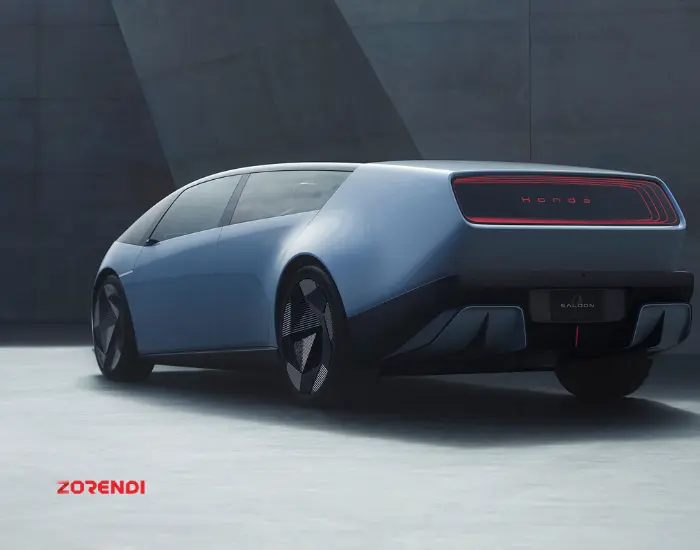
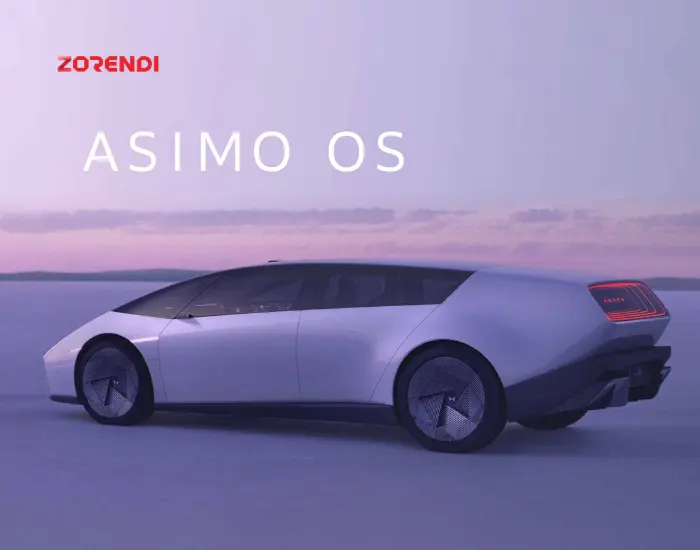
The Saloon prototype therefore had a much lower and more dramatic profile than the crossover-shaped EVs that dominate the current market.

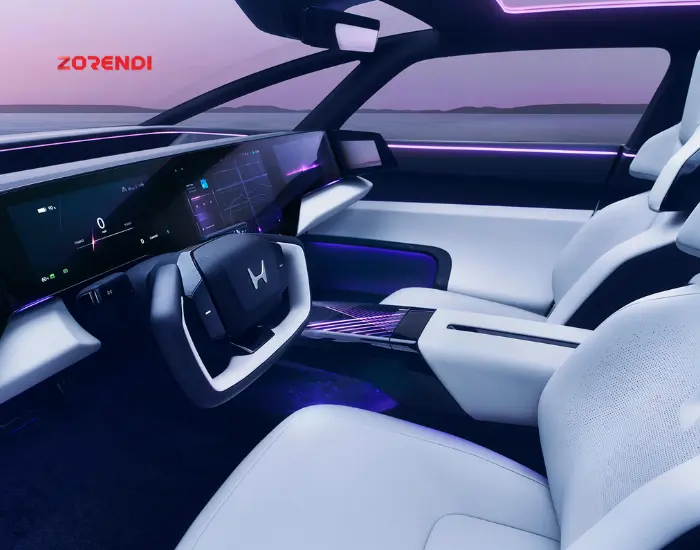
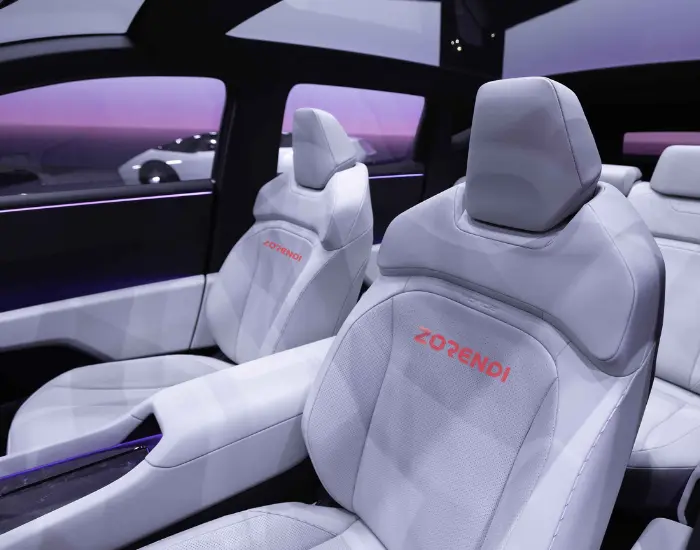
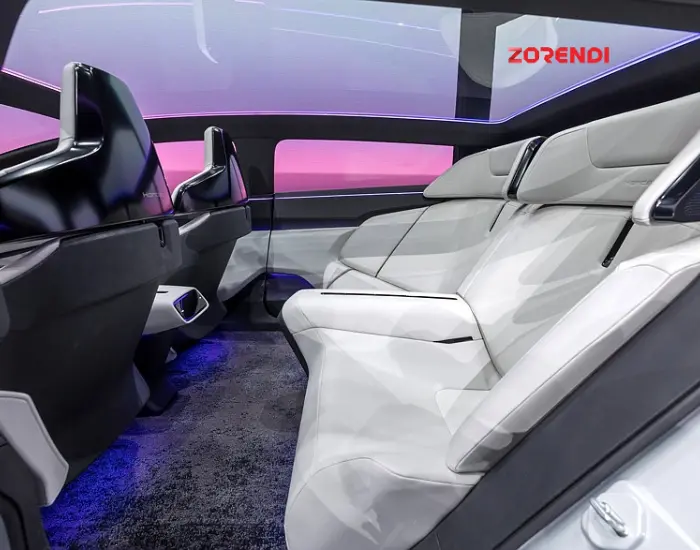
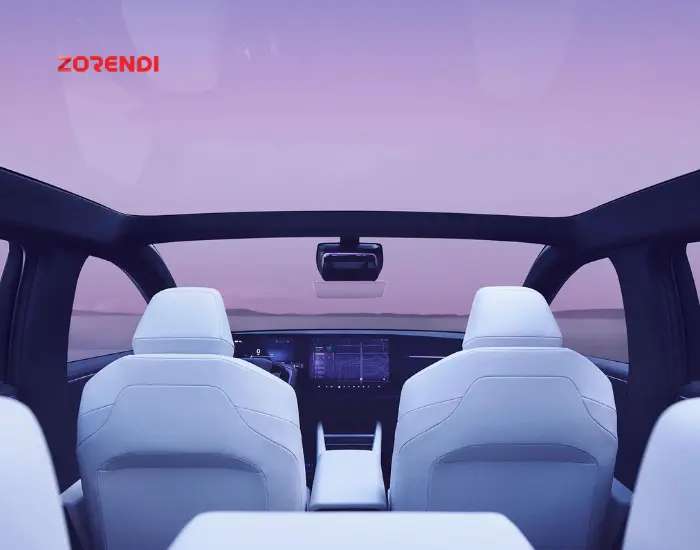
Honda also said the interior was designed to feel more spacious than the exterior dimensions might suggest.

What Honda never officially confirmed was much of the precise data that later appeared across online articles. Claims about a 0.22 drag coefficient, a body weighing under 1,600 kg or specific carbon-fibre construction should not be treated as confirmed production specifications.

There was never a final production specification sheet for the 0 Saloon.

What Did "Thin, Light, and Wise" Actually Mean?

Honda’s slogan was backed by several real engineering projects rather than being purely marketing language.

For the “Thin” part, Honda developed a more compact e-Axle and a thinner underfloor battery pack.

The battery case was designed using large aluminium cast components and friction stir welding. Honda said its newer structure could reduce the number of battery-case parts dramatically compared with conventional construction.

The company also said the battery case could be made roughly 6 percent thinner than its previous approach.

That helped Honda lower the floor and place heavy components closer to the centre of the vehicle.

For “Light,” Honda worked on reducing body and component mass. During development of the broader Honda 0 Series technology, the company targeted roughly 100 kg of weight reduction compared with its earlier EV engineering approach.

This should not be interpreted as the 0 Saloon weighing exactly 100 kg less than a named competitor. Honda was discussing its development methodology rather than publishing a final kerb weight for the Saloon.

“Wise” was where the project became more software-focused.

That centred around ASIMO OS.

What Was ASIMO OS?

ASIMO OS was planned as Honda’s own vehicle operating system for the Honda 0 Series.

The name comes from ASIMO, Honda’s well-known humanoid robot, but the system was not simply a digital assistant carrying an old Honda name.

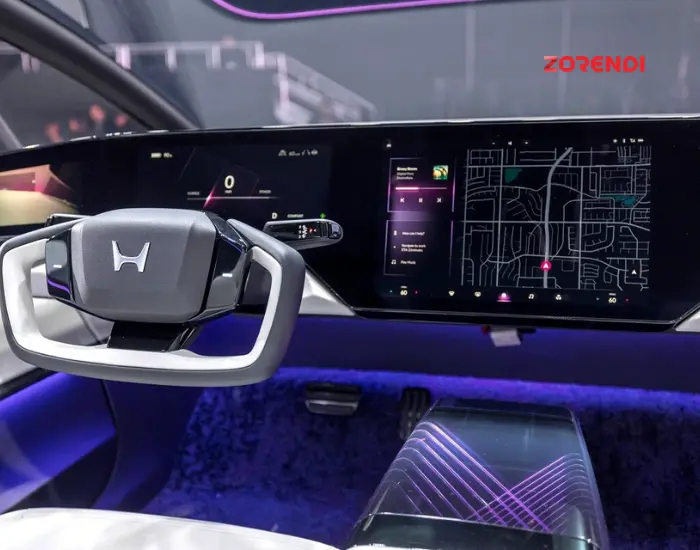
Honda intended ASIMO OS to coordinate major electronic systems within the vehicle, including infotainment and advanced driver-assistance functions.

A major part of the idea was software-defined vehicle architecture.

Instead of treating the software fitted when the car leaves the factory as largely fixed, Honda planned to update functions through over-the-air software updates.

The company also discussed what it called “ultra-personal optimization.” The idea was to adapt aspects of the vehicle experience to individual users based on their preferences and behaviour.

That is considerably more credible than some of the highly specific claims in early coverage of the vehicle.

Honda did not officially publish a final 16 GB RAM specification, a 512 GB NVMe drive, a 12-core 3.2 GHz processor or a fixed monthly update schedule for the production Honda 0 Saloon.

Those numbers should therefore not be presented as facts.

How Much Was the Honda 0 Saloon Going to Cost?

There was no confirmed UAE price. The previous article’s AED 220,000 to AED 280,000 range was speculative. Honda did not announce an official Dubai price, UAE trim structure or local preorder programme for the Honda 0 Saloon before the project was cancelled.

That means there is now even less reason to publish a guessed price as though buyers should expect the vehicle at that figure. Anyone currently searching cars for sale in Dubai should not expect to find new production Honda 0 Saloon inventory.

Why Did Honda Cancel the 0 Saloon?

Honda announced the cancellation on March 12, 2026 as part of a broader reassessment of its automobile electrification strategy.

The company said it had reviewed the business environment around electric vehicles and determined that proceeding with production and sales of three U.S.-planned EV models could lead to further long-term losses.

Those vehicles were the Honda 0 SUV, Honda 0 Saloon and Acura RSX.

Honda therefore cancelled their development and planned market launches.

This is not a minor delay.

There is currently no announced revised launch date for the Honda 0 Saloon. Unless Honda introduces a new project under the same name in the future, buyers should treat the original programme as cancelled.

Does the Honda 0 Saloon Still Matter?

The 0 Saloon brought together several technologies that remain relevant to Honda’s engineering direction: thinner battery packaging, compact e-Axles, software-defined vehicle architecture, ASIMO OS, more advanced automated-driving development and lightweight EV construction.

The prototype also demonstrated that an electric flagship did not necessarily need to adopt the tall proportions common across many current EVs.

Some of those ideas may appear in different Honda models even though the Saloon itself will not reach the market as originally planned.

That is now the useful way to look at the Honda 0 Saloon.

It is not an upcoming AED 250,000 electric sedan with a confirmed 480 km range or a vehicle UAE buyers can preorder. It was a technology-led flagship project that showed where Honda wanted to take its next-generation EVs before market conditions forced the company to change course.

Human Connection

The Honda 0 Saloon doesn’t just drive—it connects. ASIMO OS anticipates your needs, adjusting the cabin before you realize you’re too warm or suggesting routes based on your calendar. It detects stress through voice tone and cues up calming tunes, while haptic feedback guides your driving subtly. It even syncs with Dubai’s smart city infrastructure for real-time traffic updates. This personal touch is one of the Features of the Honda 0 Saloon that makes every drive feel like a conversation.
ALSO READ: Technical Review of the Bugatti Mistral Roadster

sources:

global.honda

Comments

  • Khalid
    August 18, 2025 at 10:18 am

    This breakdown really captures the Honda 0 Saloon’s futuristic vibe, especially the ASIMO OS learning habits and the 5-screen OLED setup—it feels like something ripped from Blade Runner. The 0.22 Cd drag coefficient is insane for a saloon too. But here’s my take: with Dubai’s charging infrastructure still growing, do you see the 480 km range and NACS compatibility being enough for daily drivers here, or will buyers still hesitate compared to something like a Tesla Model S?

    • Mr.Amin
      September 3, 2025 at 1:24 pm

      Great point, Khalid. Honestly, 480 km covers almost every daily route in Dubai—even Abu Dhabi trips with juice to spare. The NACS port is a game changer too since it lets you tap into Tesla’s growing Supercharger network here. That makes it a lot more practical than most people think—range anxiety won’t be the dealbreaker.

  • Abdulrahman Al Qasimi
    August 18, 2025 at 3:07 pm

    The way you described the five-screen OLED setup made me picture it more like a command center than a car interior. That haptic feedback detail is wild—I’ve never seen it mentioned in any mainstream review. But I’m wondering, with so much digital reliance, do you think drivers here in Dubai might actually miss the old-school physical buttons, especially when you’re bouncing between Sheikh Zayed Road traffic and desert runs?

    • Mr.Amin
      September 3, 2025 at 1:18 pm

      Honestly, Abdulrahman, I thought the same at first. But once you get used to the feedback, it feels just as natural as pressing a button. Plus, in Dubai’s traffic, fewer physical buttons actually means less distraction—you keep your eyes on the road while the car does the rest.

  • Rashid Al Qasimi
    August 18, 2025 at 8:10 pm

    That 0.22 Cd drag coefficient really caught my attention—it’s hypercar-level aero in a family-sized saloon. What struck me too is the ASIMO OS with monthly OTA updates; most carmakers promise that, but few deliver consistently. I’m curious though: with all that futuristic tech and Level 3 autonomy, do you feel Honda is trying to rival Tesla in Dubai, or is the 0 Saloon carving its own lane in the EV scene here?

    • Mr.Amin
      September 3, 2025 at 1:16 pm

      Good observation, Rashid. Tesla set the standard, but Honda’s approach feels different—it’s less about raw hype and more about blending daily practicality with futuristic touches. The 0 Saloon isn’t trying to out-Tesla Tesla; it’s carving its own niche by making advanced tech feel natural and human-centric, which I think will resonate big time in Dubai.

  • Faisal Al Mansoor
    September 9, 2025 at 2:43 am

    Man, the Honda 0 Saloon sounds like it was built for Dubai’s future—sleek, smart, and sustainable. That ASIMO OS learning your habits? Feels almost like having a personal butler on wheels. Did you try the Level 3 autonomy yet in Sheikh Zayed Road traffic?

    • Mr.Amin
      September 9, 2025 at 11:26 am

      Exactly, Faisal—that’s what blew me away. I tested the Level 3 autonomy during rush hour, and it handled lane changes and stop-and-go traffic smoother than I expected. It’s not perfect yet, but it turns a stressful commute into something almost relaxing.

  • Sylvia
    September 10, 2025 at 2:48 pm

    That ASIMO OS sounds wild—almost like having a personal concierge on wheels. The haptic feedback and Level 3 autonomy together must make the 0 Saloon feel like it’s from a different decade. Do you think Honda’s pricing will stay competitive once the first production models land in Dubai?

    • Mr.Amin
      September 13, 2025 at 6:02 am

      Exactly—that balance of futuristic tech and attainable pricing is what has everyone buzzing. If Honda can hold the AED 220–280k range when deliveries start, it’ll undercut many European EVs while offering features they don’t even have yet.

  • Marie
    September 15, 2025 at 7:44 am

    Price range AED 220k–280k is tempting ngl. Do you think resale will be strong tho? EVs usually drop hard.

    • Mr.Amin
      September 16, 2025 at 6:03 am

      Good question 👀. If Honda nails reliability like they always do, resale could hold better than most. Plus early adopters in Dubai love futuristic stuff—demand might keep it afloat.

  • Victoria
    September 15, 2025 at 11:53 am

    That ASIMO OS sounds wild… monthly updates like a phone? What’s next, TikTok built into the dash?

    • Mr.Amin
      September 16, 2025 at 6:03 am

      🤣 wouldn’t be shocked. But for now it’s more about smarter navigation, battery tweaks, and comfort features. Honestly feels like your car is “learning you” over time.

  • Jaden
    September 18, 2025 at 7:49 am

    0–100 in 4.8s and still gives me 480 km range? My Civic just cried in the garage

    • Mr.Amin
      September 20, 2025 at 12:46 pm

      Don’t feel bad, the Civic walked so the 0 Saloon could fly

  • Demi
    September 20, 2025 at 5:49 am

    Bruh… 5 OLED screens across the dash? That’s not a car, that’s a home theater on wheels

    • Mr.Amin
      September 20, 2025 at 12:45 pm

      Exactly! Imagine parking up in JBR and watching Netflix while the car charges… living in 2030 already

Add a comment

Post Your Ad Free