Complete Introduction to the Ninja ZX-10RR

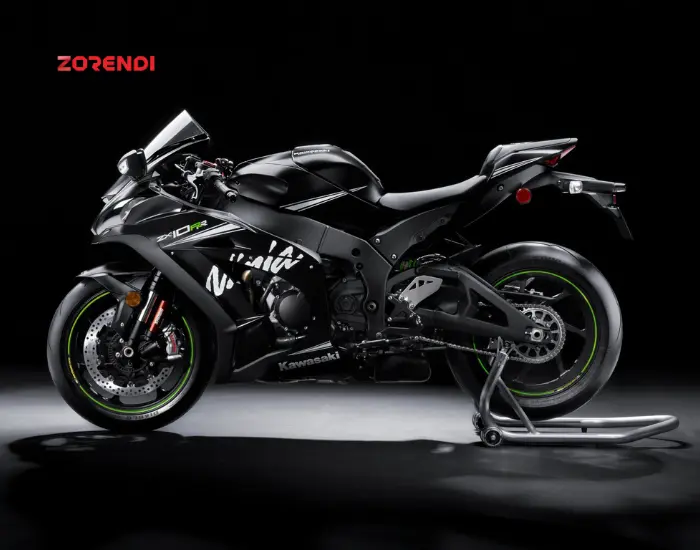
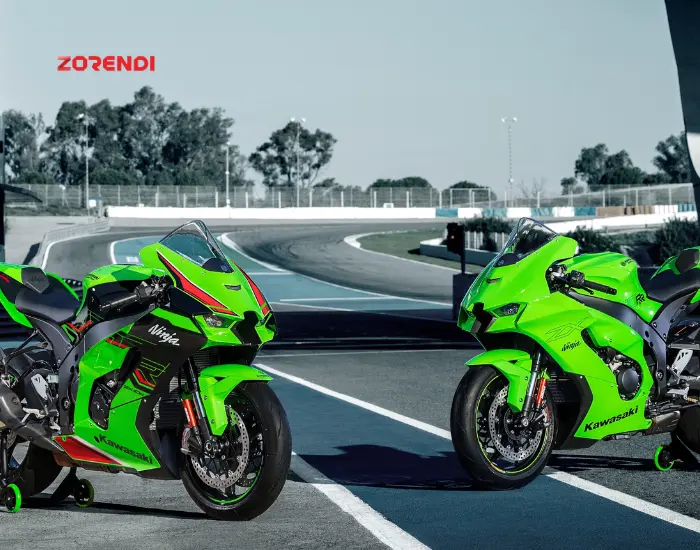
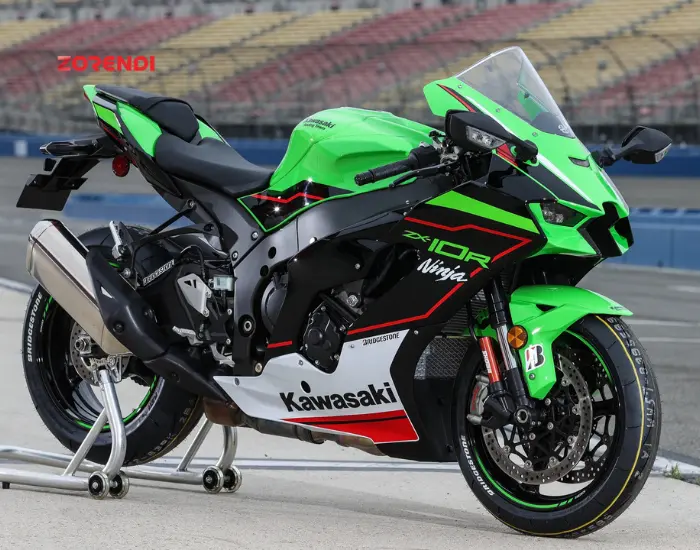
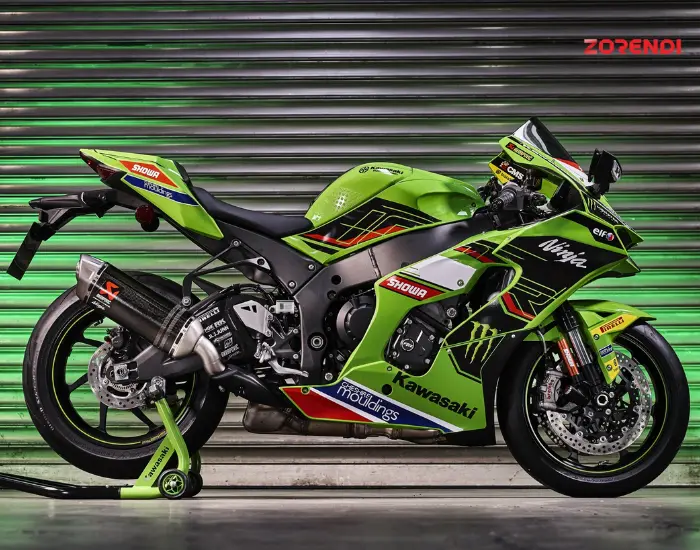
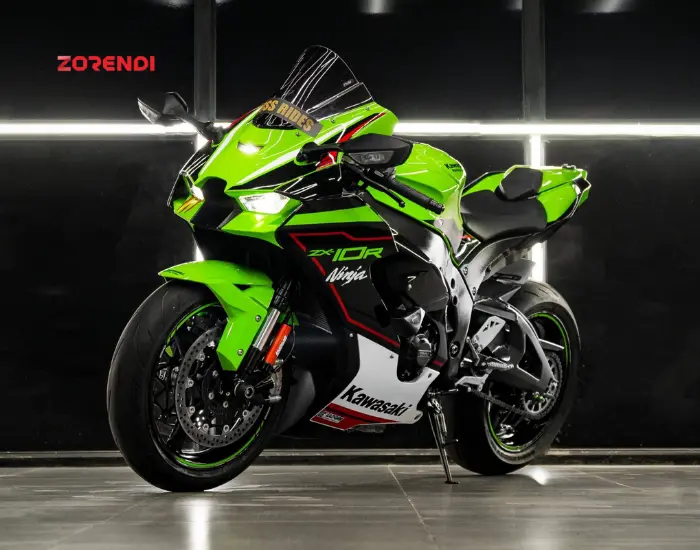
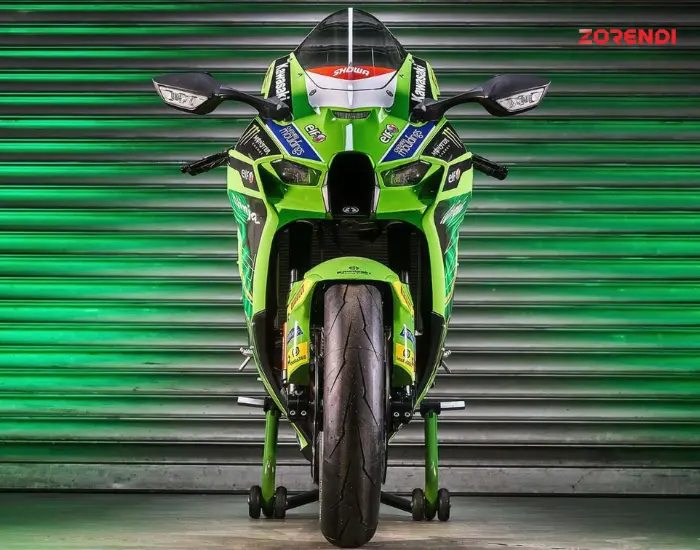
The 2026 Kawasaki Ninja ZX-10RR is the more track-focused version of the ZX-10R, built around lighter internal engine components, RR-specific suspension tuning, high-spec Brembo brakes and a single-seat layout. It is still road legal in markets where it is homologated, but its real advantage over the standard ZX-10R makes the most sense for riders who intend to use that additional race-focused hardware.

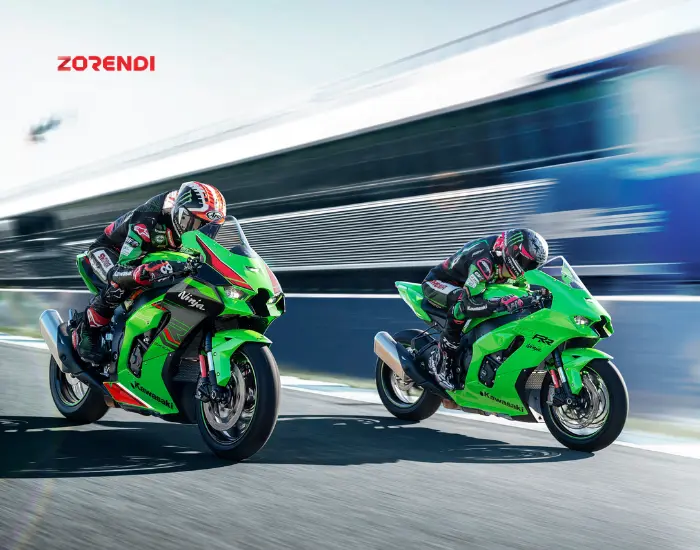
That distinction matters for UAE buyers. If the motorcycle will spend most of its life on normal Dubai roads, the less expensive ZX-10R may already provide more performance than can realistically be used. If regular track riding at Dubai Autodrome or Yas Marina Circuit is part of the plan, the ZX-10RR becomes easier to justify.

Buyers comparing Kawasaki motorcycles for sale in Dubai should therefore focus on what the RR hardware actually changes rather than assuming the extra letter automatically makes it the better road bike.

What Is Different About the ZX-10RR?

The easiest way to understand the ZX-10RR is to treat it as Kawasaki’s more specialised version of the ZX-10R.

Both motorcycles use a 998 cc liquid-cooled inline-four engine and share much of their basic architecture. The RR, however, receives hardware intended to improve high-rpm response and track performance.

For 2026, Kawasaki highlights lightweight Pankl pistons and high-performance titanium connecting rods as two of the key differences.

Reducing reciprocating mass inside an engine matters because pistons and connecting rods repeatedly accelerate and decelerate thousands of times per minute. Lighter components can help an engine respond more quickly and operate effectively at high rpm.

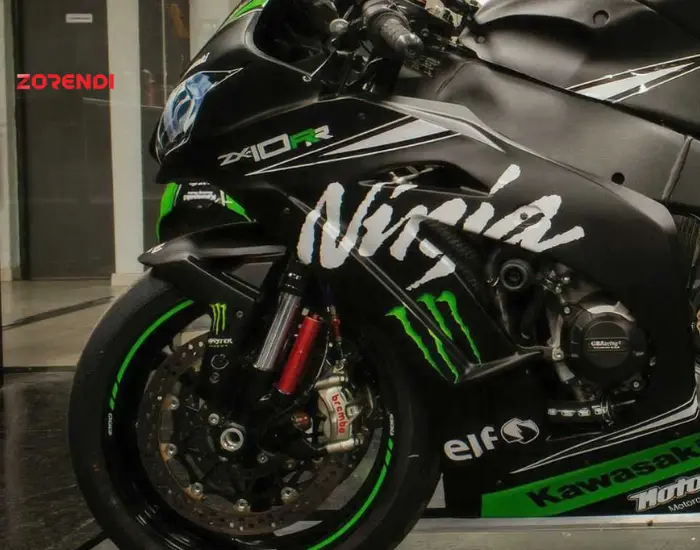
The RR also receives specific rear-suspension settings, titanium coating on the front fork tubes, a high-performance Brembo front brake package with steel-braided lines and track-oriented Pirelli Diablo Supercorsa SP V3 tyres in the U.S. specification.

How Powerful Is the 2026 Ninja ZX-10RR?

Power figures need some explanation because Kawasaki publishes different numbers depending on market and measurement standard.

For the European-market 2026 ZX-10RR, Kawasaki lists:

  • 197 PS at 13,200 rpm
  • 207 PS with Ram Air at 13,200 rpm
  • 110 Nm of torque at 11,400 rpm
  • The U.S.-specification 2026 ZX-10RR is listed at 190 hp at 11,500 rpm and 82.5 lb-ft of torque at 11,300 rpm.

Those figures should not simply be mixed together.

Different markets use different certification requirements and measurement standards, so a buyer should compare figures from the same regional specification.

The engine itself remains a 998 cc, DOHC, 16-valve inline-four with a 13.0:1 compression ratio.

Power goes through a six-speed transmission and chain final drive.

Kawasaki does not publish an official top-speed figure in the current 2026 specification sheet. Claims that every ZX-10RR will reach a particular maximum speed should therefore be treated cautiously unless they refer to a documented independent test.

Why Do the Pankl Components Matter?

This is one of the real engineering differences between the ZX-10RR and the standard ZX-10R. Kawasaki uses Pankl high-performance titanium connecting rods and lightweight pistons in the RR. The goal is not simply to add expensive materials to the specification sheet.

Reducing the mass of these rapidly moving components helps decrease reciprocating weight, supporting the engine’s high-revving character and faster response.

Kawasaki also uses piston pins with a DLC coating to improve wear resistance. The current 2026 RR uses one fewer piston ring than the standard arrangement, allowing a shorter piston height and helping reduce mechanical friction.

These changes make more sense on a motorcycle intended for serious track use than they do on a normal commuter. A rider travelling between home and work at legal road speeds is unlikely to extract the full value from lightweight internal engine components. Someone repeatedly operating near the upper end of the rev range on a circuit has a much stronger reason to care.

What Changed for the 2026 Model?

The 2026 ZX-10RR receives the latest-generation Ninja styling and aerodynamic package. The bodywork incorporates aerodynamic winglets, while Kawasaki has also revised the ram-air intake position and tuned the chassis geometry around the new aerodynamic package.

The purpose is high-speed stability and cornering performance rather than simply creating a more aggressive appearance. There is an important point here.

Kawasaki talks about improved aerodynamics, but it does not publish figures such as “17 percent more downforce than the ZX-10R” or a 0.32 drag coefficient in its current factory specification. Those numbers should not be treated as official data. The useful fact is that the bodywork, winglets and chassis geometry were developed together with high-speed track performance in mind.

What Chassis Does the ZX-10RR Use?

The 2026 Ninja ZX-10RR uses a twin-spar cast-aluminium frame. European specifications list a 1,450 mm wheelbase, 25-degree rake and 105 mm of trail. Curb mass is listed at 207 kg, including fluids and fuel according to Kawasaki’s definition.

Seat height is 825 mm on the current European specification, while overall length is 2,085 mm.

These dimensions place the RR firmly in modern litre-class superbike territory. The riding position is naturally aggressive compared with a naked bike, sport-tourer or everyday commuter. That helps place the rider correctly for braking, acceleration and body movement on track, but the same ergonomics can become demanding in slow urban traffic.

How Much Does the Ninja ZX-10RR Cost in Dubai?

A verified official UAE retail price for the current 2026 ZX-10RR should be confirmed with the local Kawasaki distributor or seller at the time of purchase. It is better not to create an AED figure by simply converting a U.S. or European price.

For reference, Kawasaki lists the 2026 ZX-10RR at a U.S. base MSRP of $29,999. That is a U.S. market price, not a Dubai retail quote.

Shipping, regional specification, dealer pricing, registration, warranty coverage and whether the motorcycle is an official GCC-market example or privately imported can all affect the final UAE cost. The old claim that every ZX-10RR should cost AED 105,000 to AED 115,000 should therefore not be treated as a permanent market price.

Inventory also matters because the RR is a specialised, limited-production model. Buyers searching through motorcycles for sale in Dubai should compare actual listings rather than relying on an old estimated price range.

What Should You Check Before Buying a Used ZX-10RR?

Start by confirming that the motorcycle is genuinely an RR and not a ZX-10R modified to look similar. Use the VIN, documentation and factory specification rather than relying on stickers, fairings or seller claims.

Then check the service history. A motorcycle that has been used hard but serviced correctly can be a better purchase than a low-mileage example with poor maintenance records.

Ask directly about track use. Track riding does not automatically make a motorcycle bad, but it increases the importance of checking:

  • Brake discs and pads
  • Fork seals
  • Rear shock condition
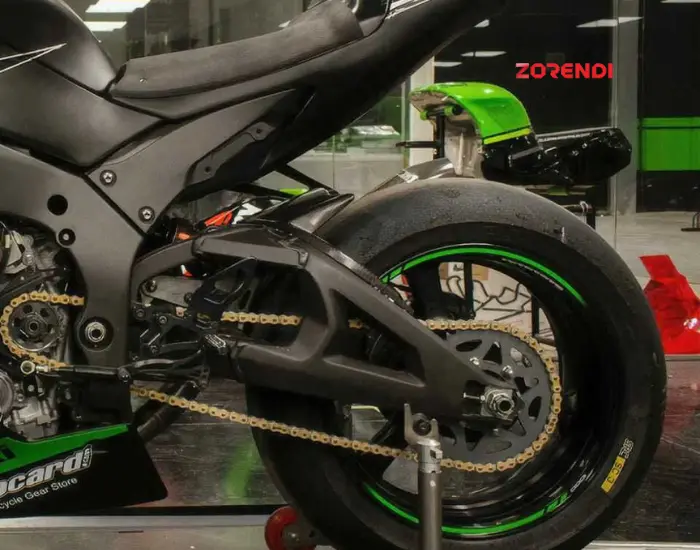
  • Chain and sprockets
  • Wheel damage
  • Tyre age and heat cycles
  • Engine covers
  • Footpegs and bar ends
  • Fairing repairs
  • Coolant and oil leaks

Look closely for crash evidence.

Scratched engine covers, different-coloured fasteners, replacement clip-ons, aftermarket rearsets or newly painted fairing sections may indicate previous damage. Also inspect modifications.

Race exhausts, ECU tuning and other performance changes can be useful when done properly, but badly executed modifications can create reliability, emissions or registration problems. There is no reason to assume that an “ECU flash” automatically adds a specific amount of horsepower. Ask what software was used, who performed the work and whether the original map is available.

Is the Ninja ZX-10RR a Good Choice for UAE Riders?

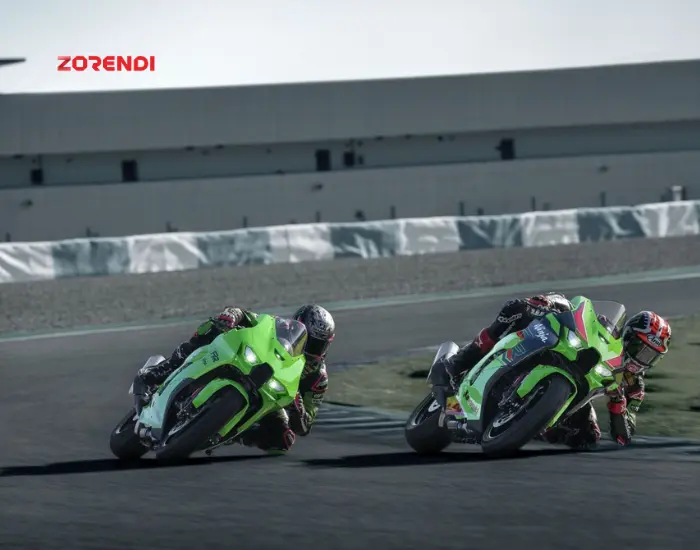
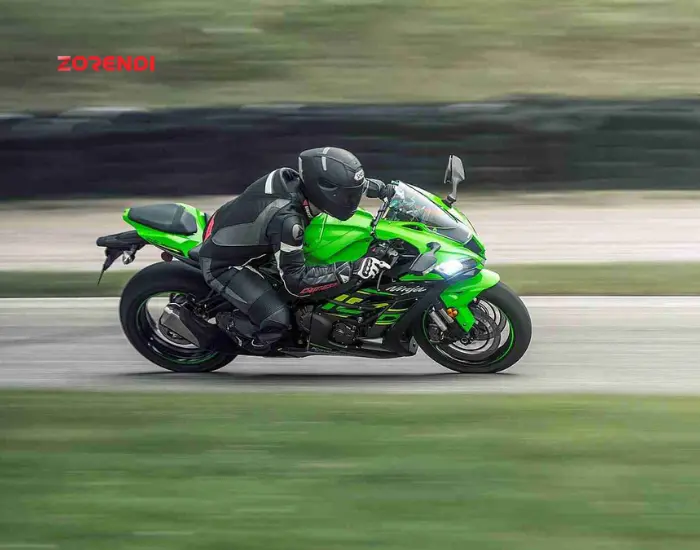
The ZX-10RR makes sense for an experienced rider who wants a litre-class superbike with serious circuit capability and intends to benefit from the RR-specific engine and suspension hardware.

It makes less sense as a status purchase or everyday city motorcycle. Most of its engineering advantages appear when the motorcycle is being ridden hard enough for reduced internal engine mass, track-focused suspension and high-performance tyres to matter.

That generally means a controlled circuit environment, not a public highway. For riders who want the look and performance of Kawasaki’s flagship naturally aspirated superbike but will spend almost all their time on public roads, the standard ZX-10R deserves a close look before paying the premium for the RR.

For someone building a road-legal motorcycle around regular track use, the equation changes. The ZX-10RR is not simply a ZX-10R with different graphics. Its specialised engine components, suspension tuning and track-focused equipment give it a clear purpose.

Why the ZX-10RR?

In a city of Lambos and Ferraris, the ZX-10RR stands out. It’s not just the speed—it’s the precision, the exclusivity, the feeling of mastering a WorldSBK-derived machine. With only 500 units made, it’s a collector’s gem. The IMU and quick-shifter keep it ahead of rivals, and it holds 80% of its value after two years if maintained well. This Complete Introduction to the Ninja ZX-10RR is my take on why this bike isn’t just a ride—it’s a lifestyle. 

ALSO READ: Full Introduction to the Ram 1500 Ramcharger 

sources:

www.kawasaki.co.uk

Comments

  • Omar Al Falasi
    August 18, 2025 at 10:18 am

    That detail about the Pankl titanium rods shaving crankshaft inertia—man, that’s the kind of engineering flex most riders never even think about. I like how you pointed out the 7% drag reduction too; at Dubai speeds, that’s not just aero, that’s survival. But here’s a thought: with only 500 units a year, do you see the ZX-10RR in Dubai more as a collector’s flex bike, or do real riders here actually thrash it at Autodrome and Yas Marina like you do?

    • Mr.Amin
      September 3, 2025 at 1:21 pm

      Good question, Omar. Honestly, it’s a bit of both. Some owners just keep it as a showpiece in their collection, but the real thrill-seekers take it to the track and let it scream. For me, it’s wasted if it’s only sitting in a garage—the ZX-10RR was built to be pushed.

  • Hamad Al Suwaidi
    August 22, 2025 at 2:27 am

    The way you broke down the aerodynamics is on point—I’ve felt that same planted stability when pushing my ZX-10RR past 280 km/h on E611. But here’s something I noticed: the heat soak in Dubai summers can creep up fast during back-to-back laps at the Autodrome. Did you upgrade the cooling system or stick with the stock radiator setup?

    • Mr.Amin
      September 3, 2025 at 12:53 pm

      Good catch, Hamad. I’m still running the stock cooling system, and surprisingly, it’s handled 45°C track days without drama. That said, I added a high-flow radiator guard for airflow and swapped to Motul 300V oil, which shaved a few degrees off under sustained load. For Dubai’s climate, that’s the sweet spot—no overheating, no drop in performance.

  • Faisal Al Habtoor
    August 25, 2025 at 12:55 am

    Those titanium Pankl rods shaving 102 grams each? That’s the kind of detail that makes this bike scream exclusivity. But I’ve gotta ask—when you’re riding the ZX-10RR through Dubai’s summer heat, does the cooling system actually hold up, or do you feel performance drop-offs after a few hard laps at the Autodrome?

    • Mr.Amin
      September 3, 2025 at 12:45 pm

      Good eye, Faisal. Kawasaki nailed it—the radiator and air channeling keep temps under control even in 40°C+ runs. I’ve pushed 10 laps back-to-back at the Autodrome, and the bike stayed sharp. Unlike some Italian superbikes I’ve tested, the ZX-10RR doesn’t cook itself in Dubai’s heat.

  • Al Falasi
    September 2, 2025 at 7:28 pm

    Bro, this article about the ZX-10RR absolutely killed it 😍🔥. I’ve been searching for something that doesn’t just throw out dry catalog specs, but actually comes from a rider’s perspective—and you nailed it. The way you described ripping through Sheikh Zayed Road and Dubai Autodrome made it feel so real, like I was right there with you. When you mentioned the 204 hp engine (214 with ram air) and those Pankl titanium rods cutting inertia—man, that sounds like riding a private jet on two wheels 😮.

    The aerodynamics section blew my mind too. I love that you didn’t just say “better fairings,” but gave real numbers—7% less drag, 17% more downforce. That’s the kind of detail that shows why the ZX-10RR isn’t just a slightly upgraded ZX-10R. Add in those Brembo brakes and all the electronic wizardry, and yeah, it’s basically a race bike with plates 👌.

    The price part makes sense—it’s not cheap, but in a city full of Lambos and Ferraris, having a ZX-10RR makes you stand out big time. Totally agree with you: this bike isn’t just transportation, it’s a lifestyle. Thanks for sharing your experience, this was such a solid read 🙌.

  • penelopemartinez
    September 30, 2025 at 7:58 am

    Man, that breakdown is fire 🔥 The detail about the Pankl titanium rods and the 5% reduction in crank inertia really caught my attention. That explains why the ZX-10RR revs so insanely fast compared to the standard 10R. But tell me—does the aggressive ergonomics wear you down in Dubai traffic, or do you actually find it manageable day to day?

    • Mr.Amin
      October 1, 2025 at 12:52 pm

      It’s definitely aggressive—you’re leaned forward and the pegs are high. In stop-and-go traffic around Deira or Downtown, it can feel punishing after 30 minutes. But once you’re out on Sheikh Zayed Road or carving through smoother stretches, that riding position transforms into pure control. It’s not a commuter bike—it’s a precision weapon built for speed. You just adapt your riding to enjoy it

Add a comment

Post Your Ad Free