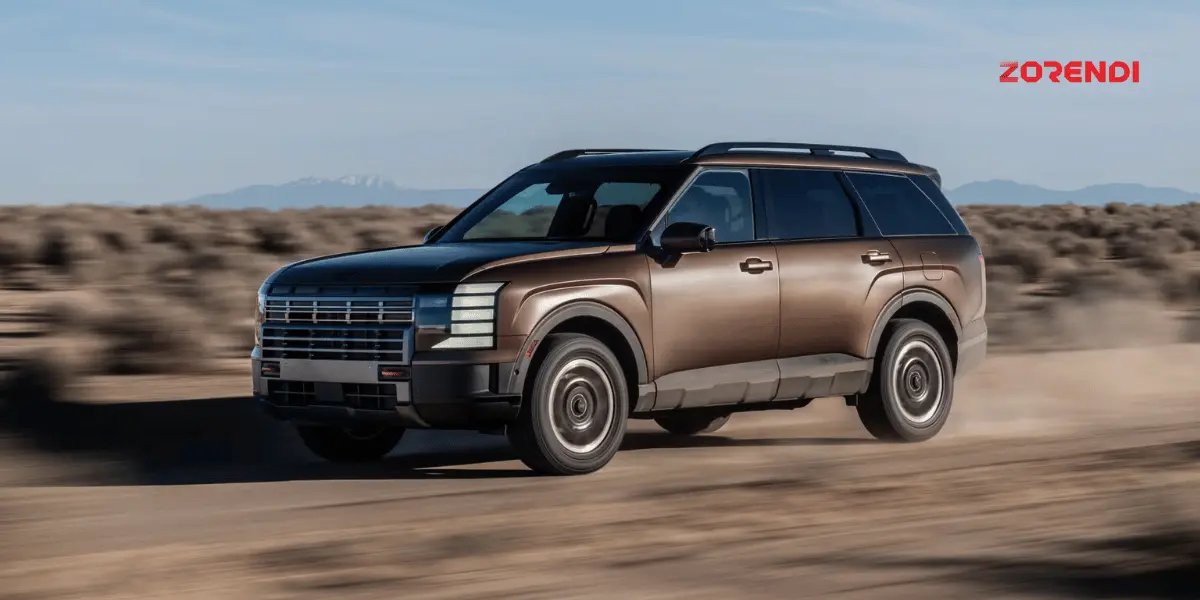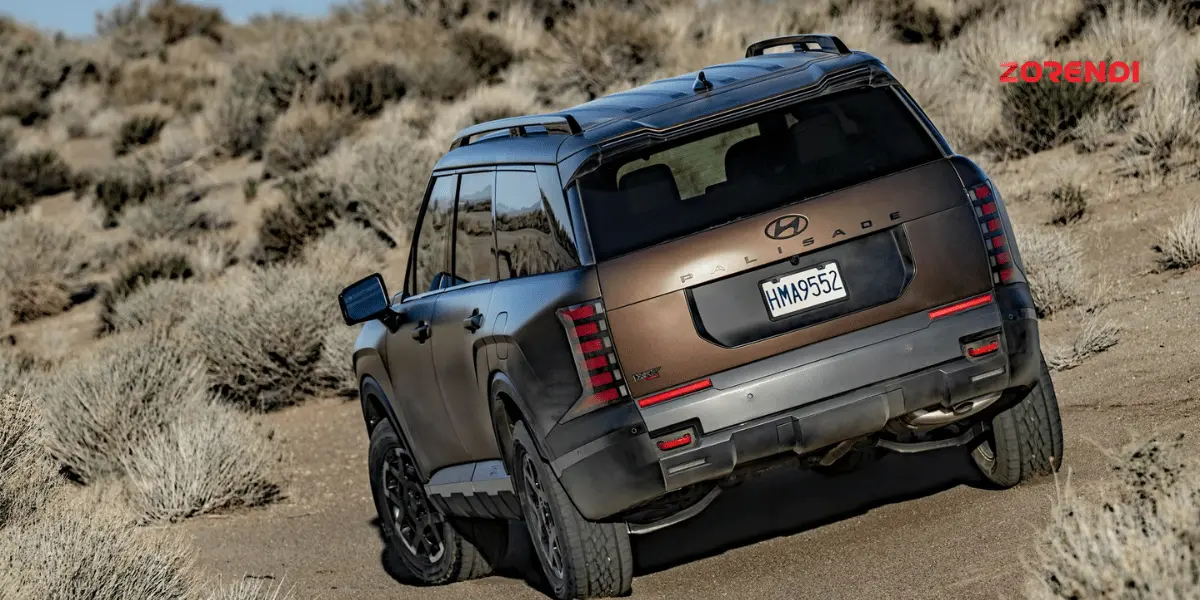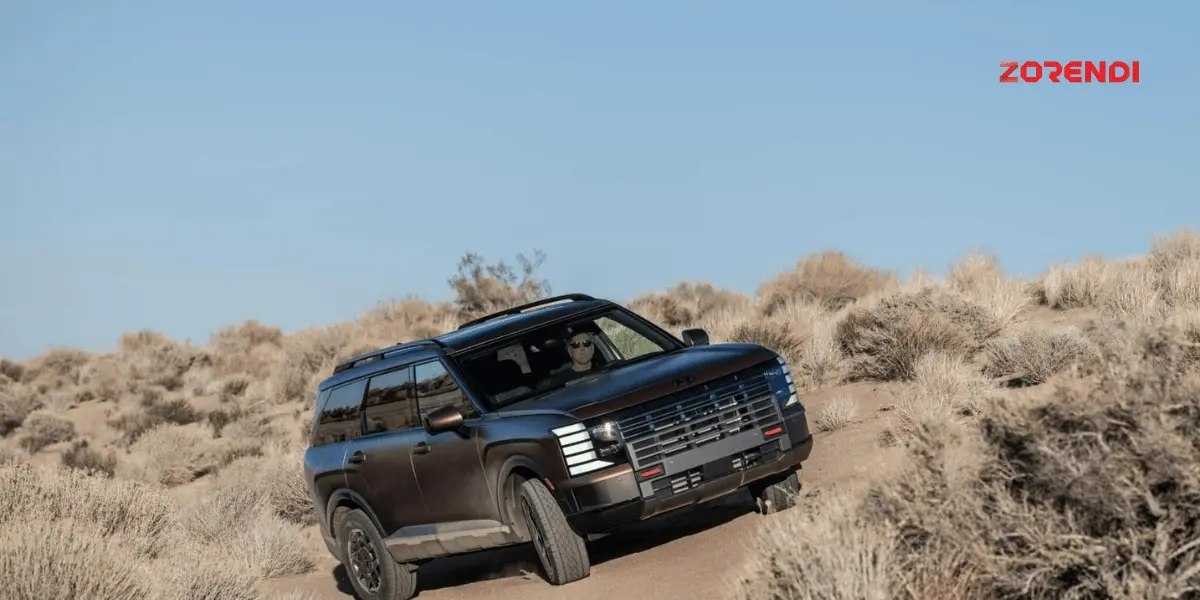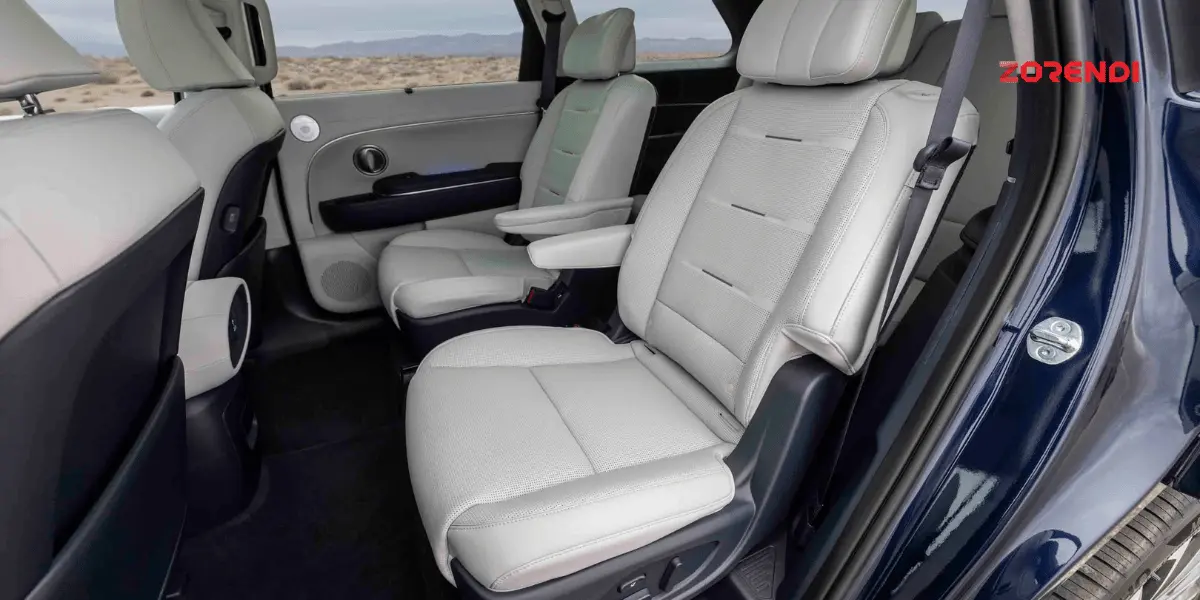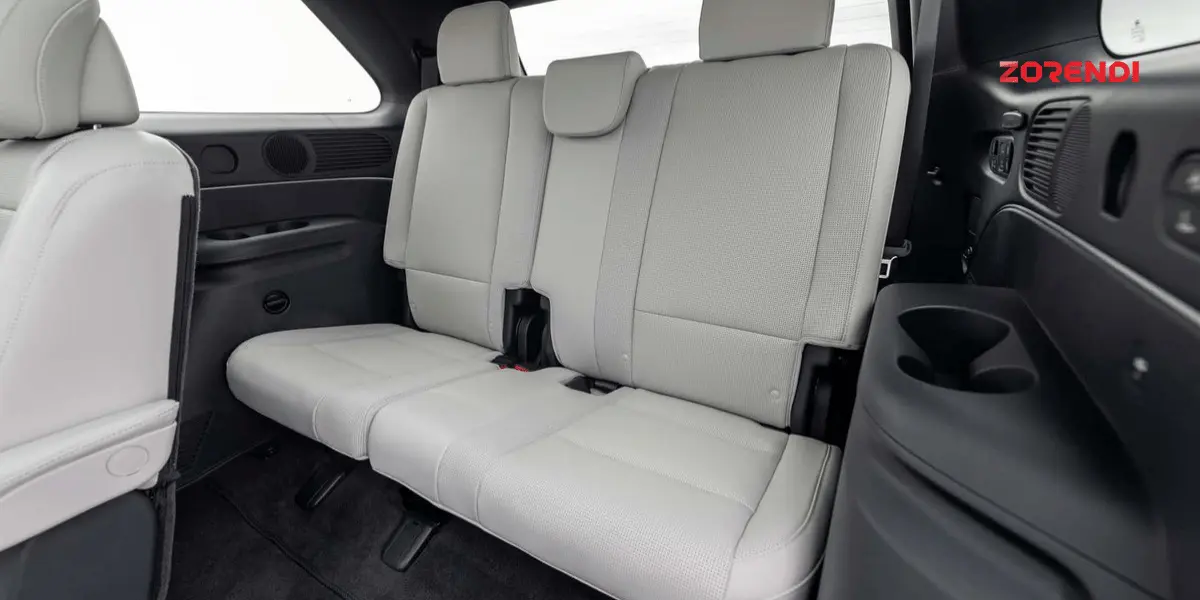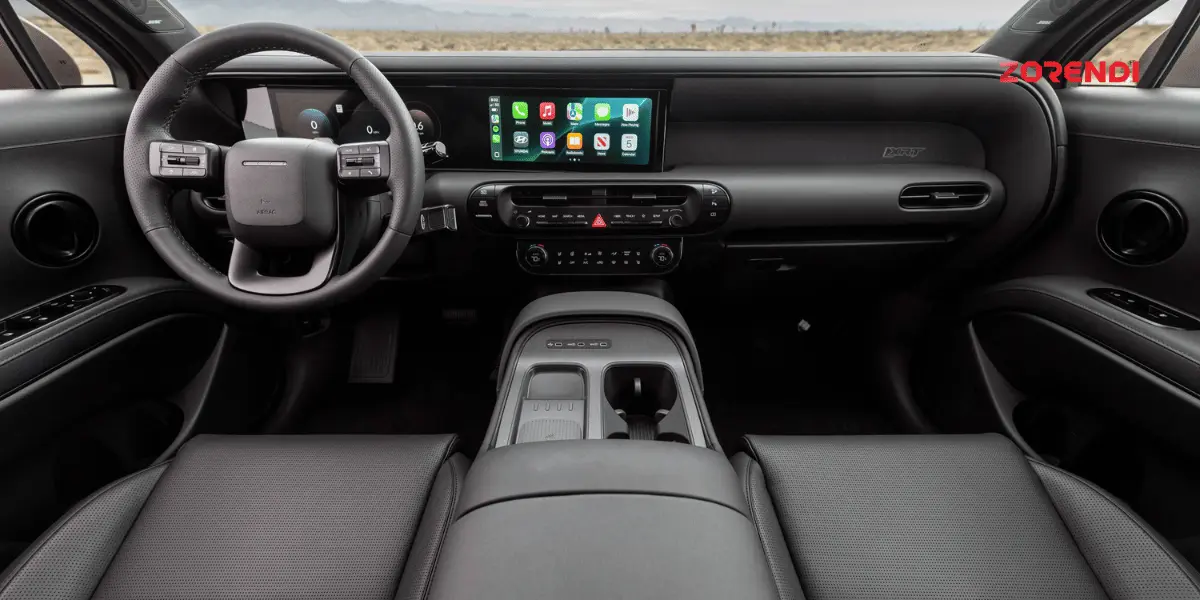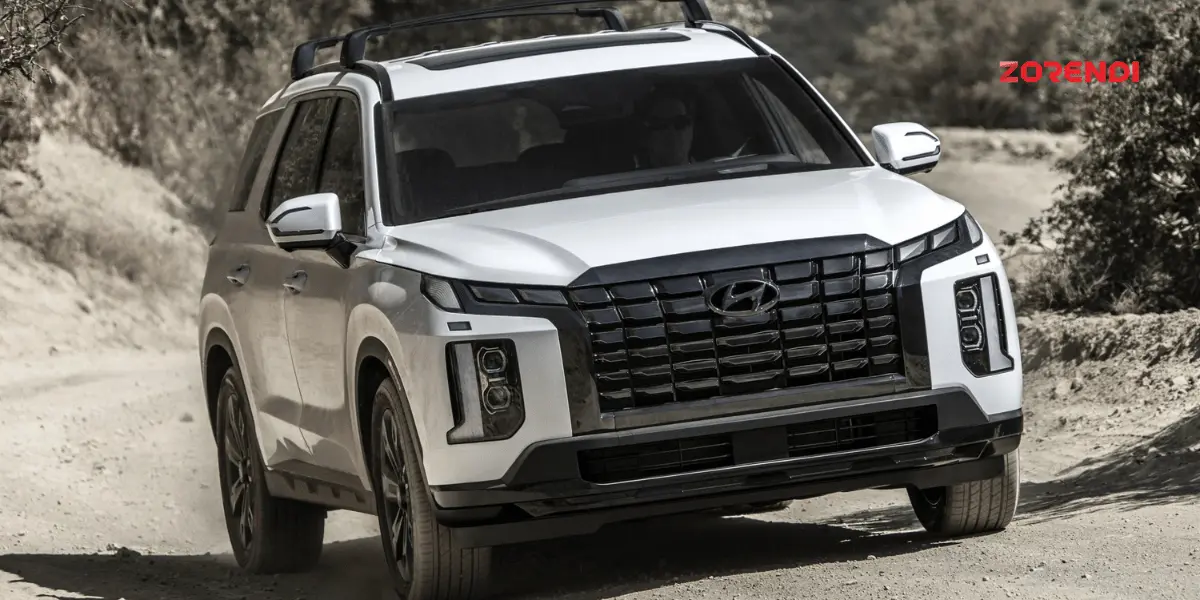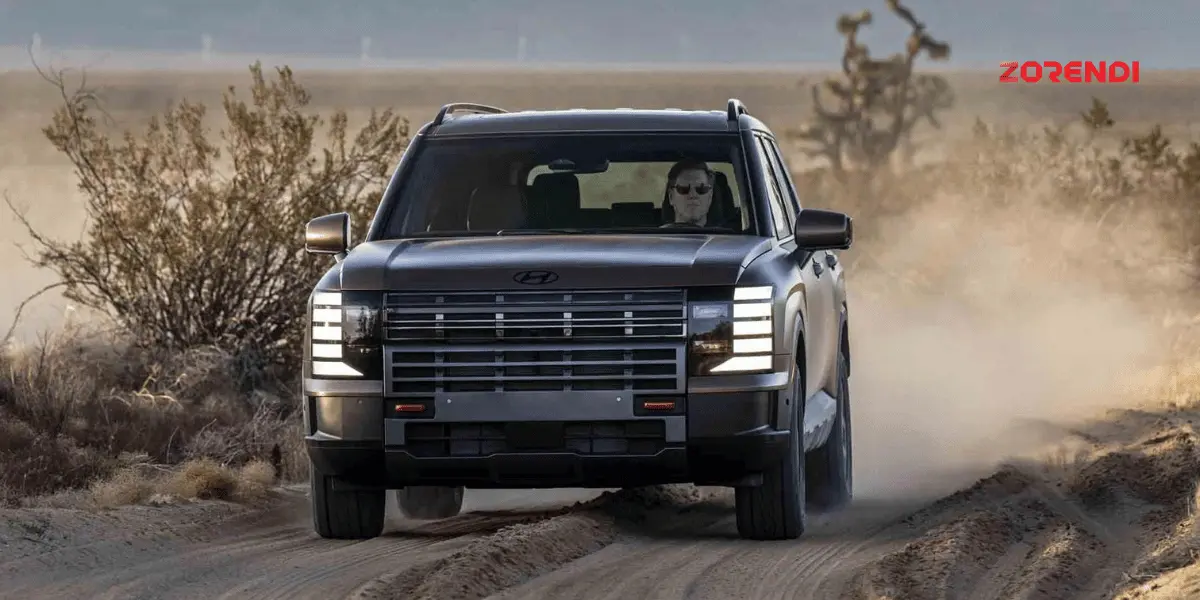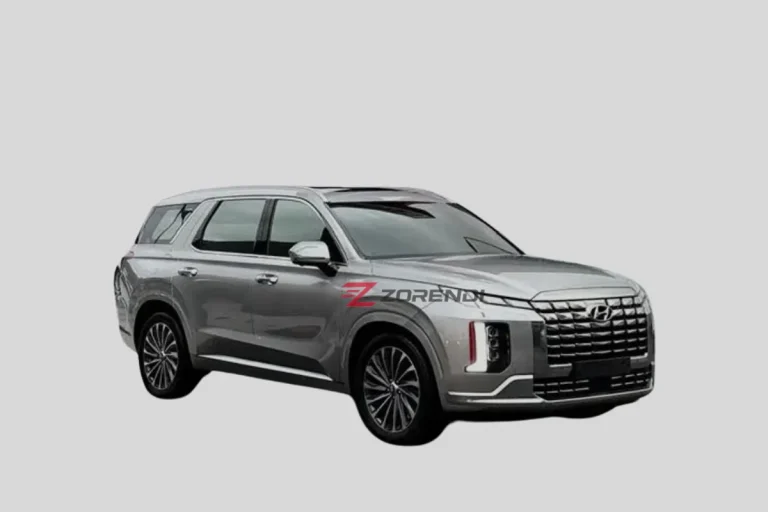
When I first took delivery of my 2026 Hyundai Palisade XRT Pro, I knew I wasn’t just buying a family SUV; I was committing to testing its limits in one of the harshest climates on Earth. Dubai’s highways push SUVs to maintain stability at 140–160 km/h in crosswinds, the desert demands torque-rich power delivery, and the summer heat makes any cooling system show its true face.
I didn’t buy this SUV from the perspective of a reviewer chasing generic specs. I bought it because I needed something practical yet technically intriguing. And to my surprise, the Palisade XRT Pro hides layers of engineering finesse that most people overlook. In fact, I’d even say if someone typed car for sale and stumbled upon this SUV, they might underestimate how much depth is packed inside this machine.
Dubai-focused review: heat, crosswinds, and highway use. Each metric below includes a plain-English explanation and how it was measured.


Quick wins in daily Dubai use. Full context comes in the detailed sections below.
Tip. Never underestimate how these decimals in aerodynamics translate into dirhams saved at Dubai’s fuel pumps.
Items are based on your Dubai logs and comparisons: aero & cooling help at 140–160 km/h; size and steering feel show up mainly in tight parking and very high-speed cruising.
What this shows: UI simulation from 0 to your Vmax (tested ≈ 217 km/h). Real VBOX logs can drive the same needle for exact curves.


220 mm clearance helps dunes/ramps without scraping, while keeping highway stability.
Measured with a digital angle gauge; small gains can come from tire profile and bumper lips.
ECU mapping flattens torque ~2,000–4,500 rpm → smoother city pull.
Bars scale vs the slowest in list. Palisade was ~0.6 s quicker in VBOX logs.
Cd? Lower drag = less air resistance. On SZR (140–160 km/h), small Cd gains save real dirhams.


Hatta climbs: torque ~52% rear → confident rear-drive feel.
Dedicated cooling keeps temps well below redline in Dubai heat → longevity.
Read: Lower g-RMS = smoother ride. Dual-valve dampers absorb joints without floatiness.
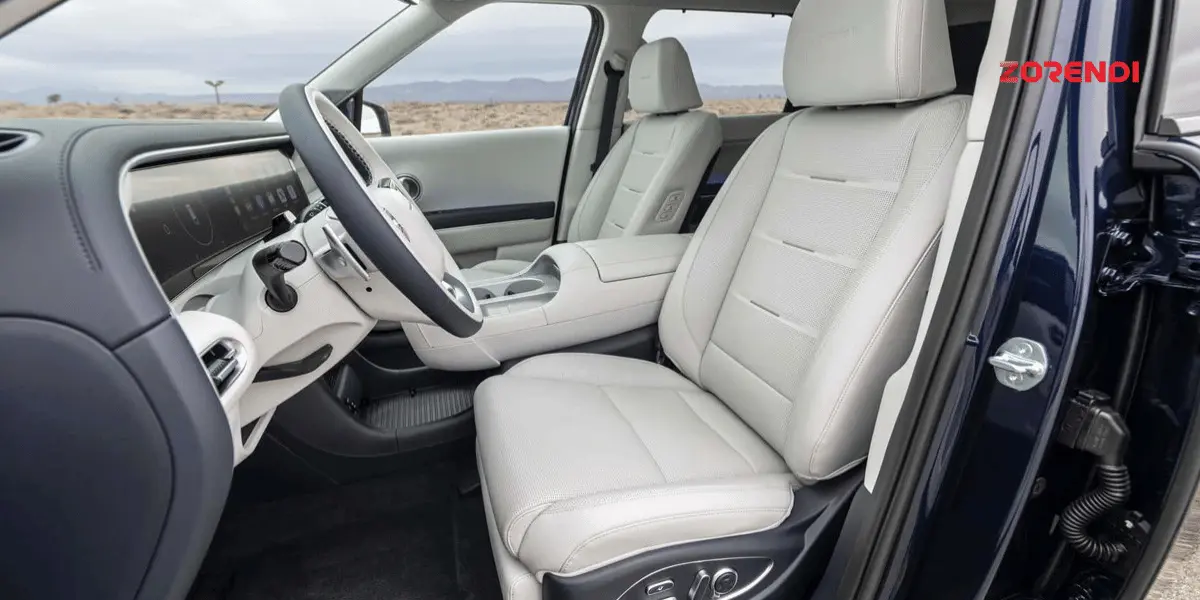
High-nit panel remains legible in desert glare; infotainment cooling is ducted with A/C.
Laminated glass + extra sealing reduce wind noise on E611.


WLTP? A lab cycle for comparison. Here: — L/100 km combined. Real Dubai (higher speeds, A/C, sand) shifts results — so we show per-scenario logs.
Official Dubai prices; negotiated deals can be lower (Palisade often ~AED 193k with service bundles).
Info. Dealers often offer hidden bundles like free 5-year service, which effectively shaves off AED 18,000 in ownership cost
If someone is scrolling Hyundai for sale in UAE listings, they’ll find the XRT Pro often discounted to around AED 193,000 with negotiation.
Lane-keep held even on faint desert markings. Always supervise.
No thermal derating seen in diagnostics. Shorter oil intervals are cheap insurance in GCC heat.
Living with the 2026 Hyundai Palisade XRT Pro has proven it’s not just another SUV tossed into Dubai’s oversaturated market. It blends engineering discipline, practical design, and market-sensible pricing in a way that actually survives the UAE environment.

It’s not flawless—steering still lacks granular feedback above 150 km/h, and parking in old Deira lots feels cumbersome. But if you need a durable, comfortable, and technologically advanced SUV, this is a serious contender.
Exactly — laminated glass + extra sealing. Noticeably calmer than Pathfinder at 100 km/h.
Can 7 adults really sit comfortably, or is it just brochure talk? 😂
Row 3 is usable for mid-size adults. Not a limo, but better than Highlander’s third row.
Do you think it’s worth paying more than the Telluride SX Pro?
Honestly, yeah. The Palisade feels more refined and the rear torque bias makes highway drives more confident.
Word list
×
Kaylee
October 2, 2025 at 9:29 pmHow does that 0.31 Cd actually translate to fuel savings?
Mr.Amin
October 4, 2025 at 6:37 amAt 140 km/h cruise, I logged ~2.7% better economy than the previous gen. Saves dirhams long term.