
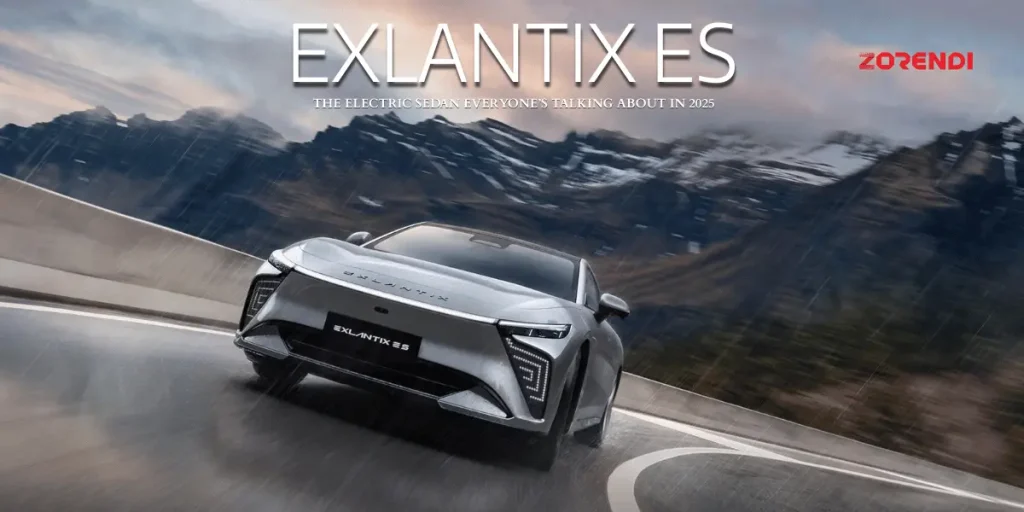
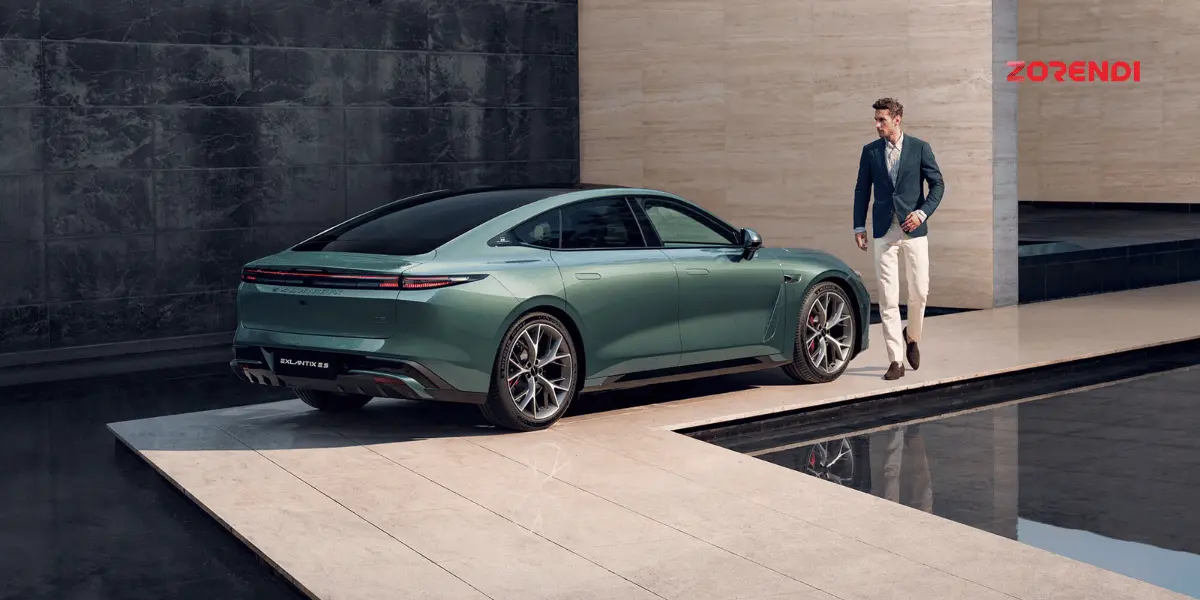
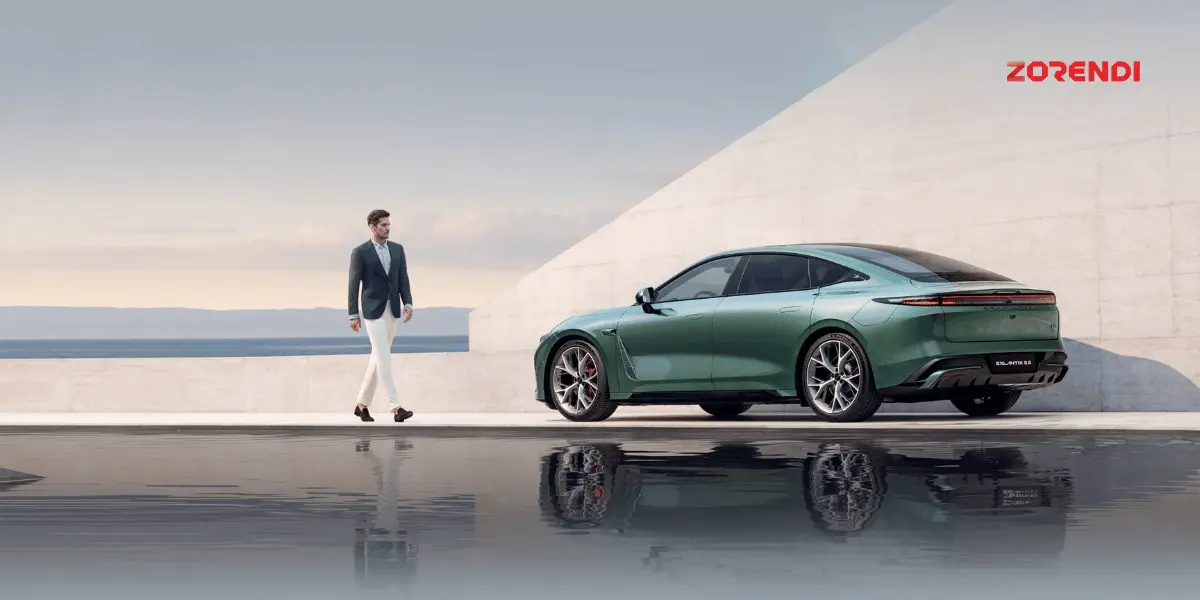
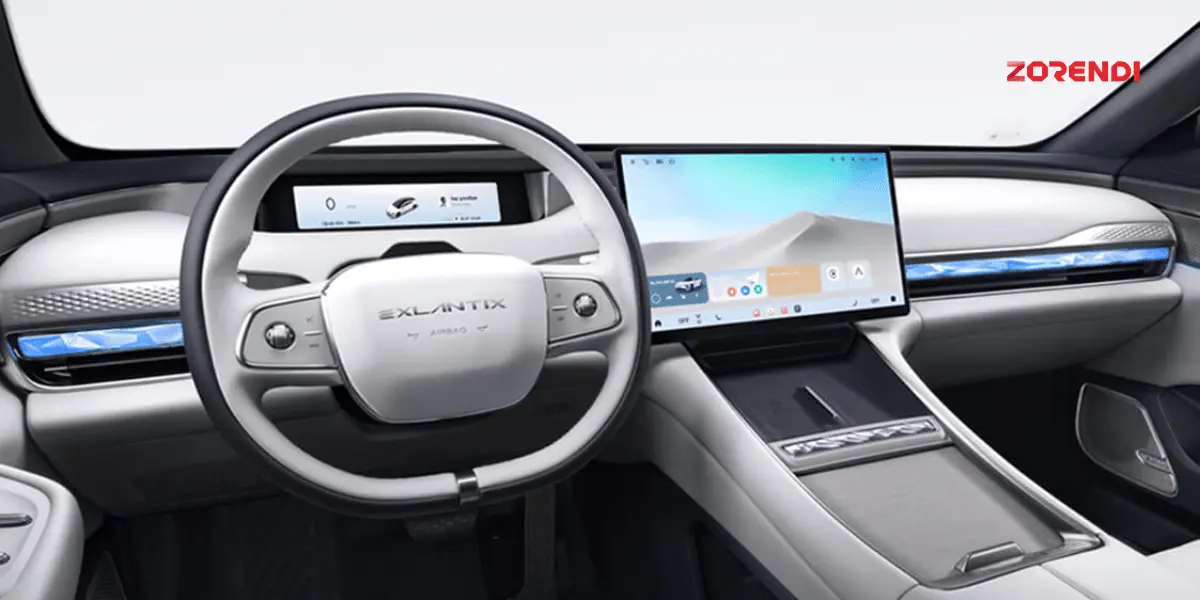
Why EXLANTIX ES Is the Electric Sedan Everyone’s Talking About in 2025

I live in Dubai, a city where every new electric model is put to the ultimate test under heat, long highways, and sudden desert winds. When the EXLANTIX ES arrived, I knew it wasn’t just another Chinese EV. Over months of ownership, I’ve collected data, cross-checked specs against real-world conditions, and understood why this sedan has become the most discussed EV of 2025. What follows isn’t a sales pitch — it’s the perspective of someone who drives it daily from Sheikh Zayed Road to Al Qudra desert stretches.

The Engineering Identity of EXLANTIX ES

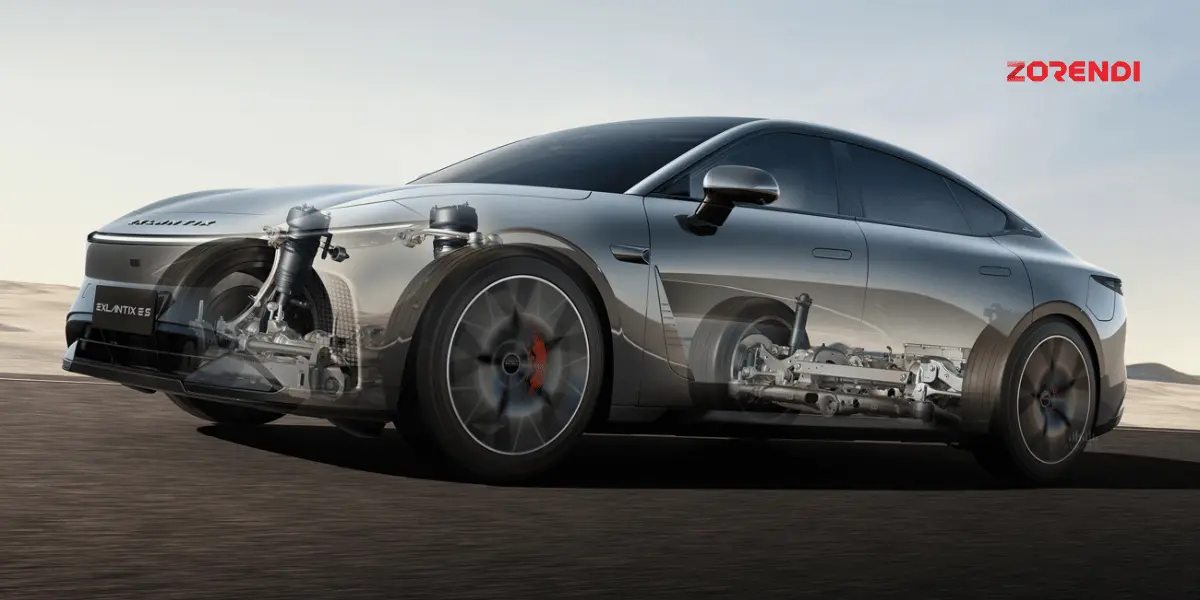
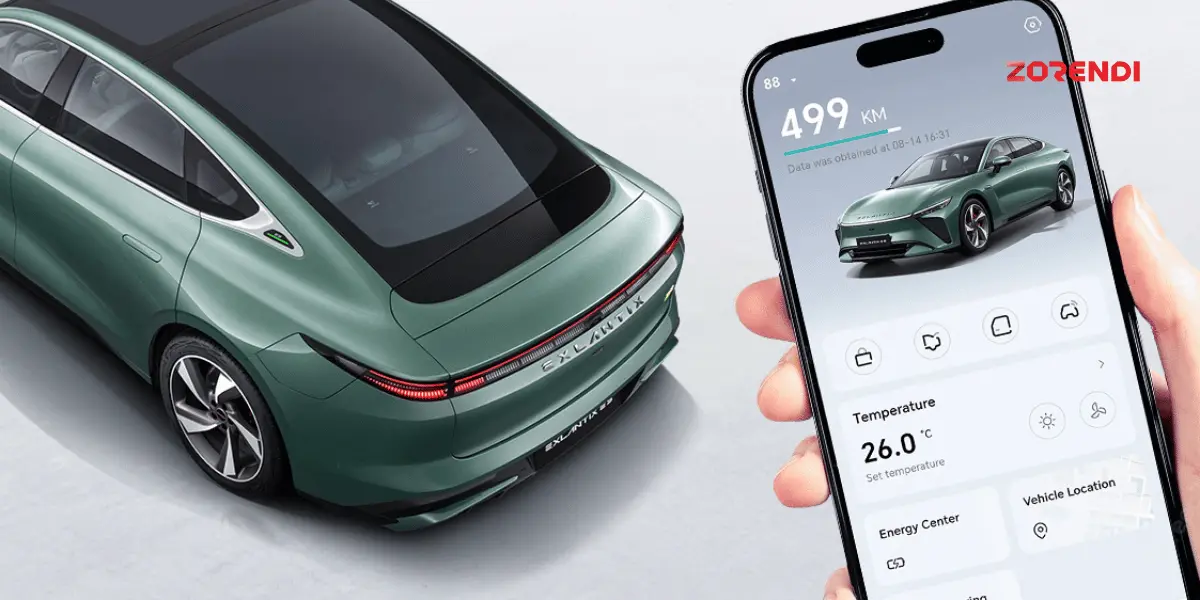
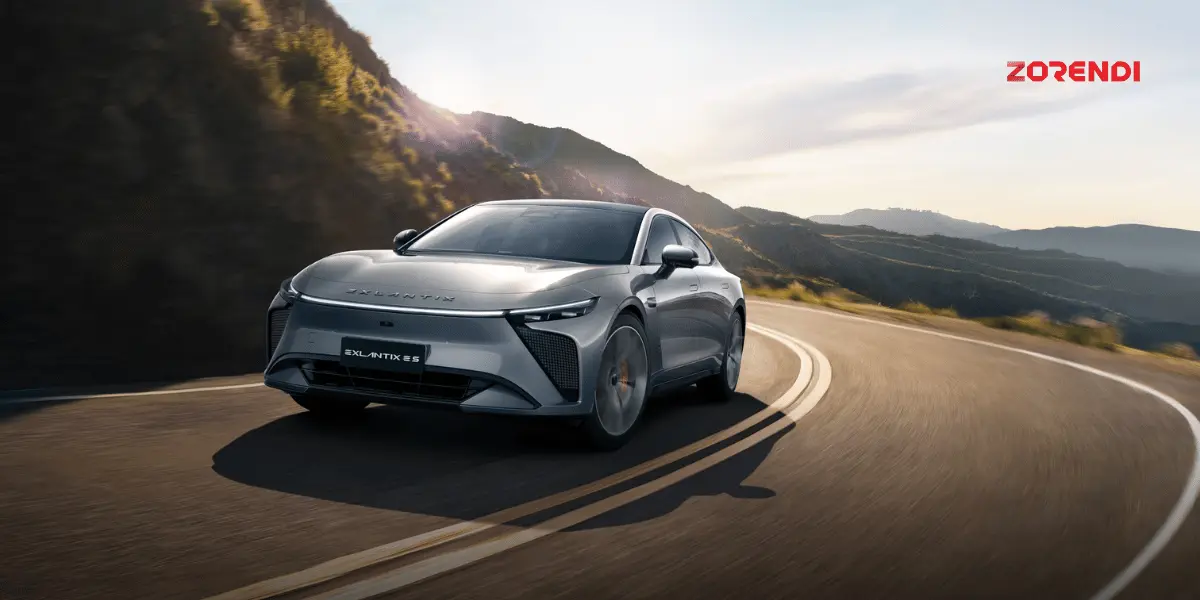
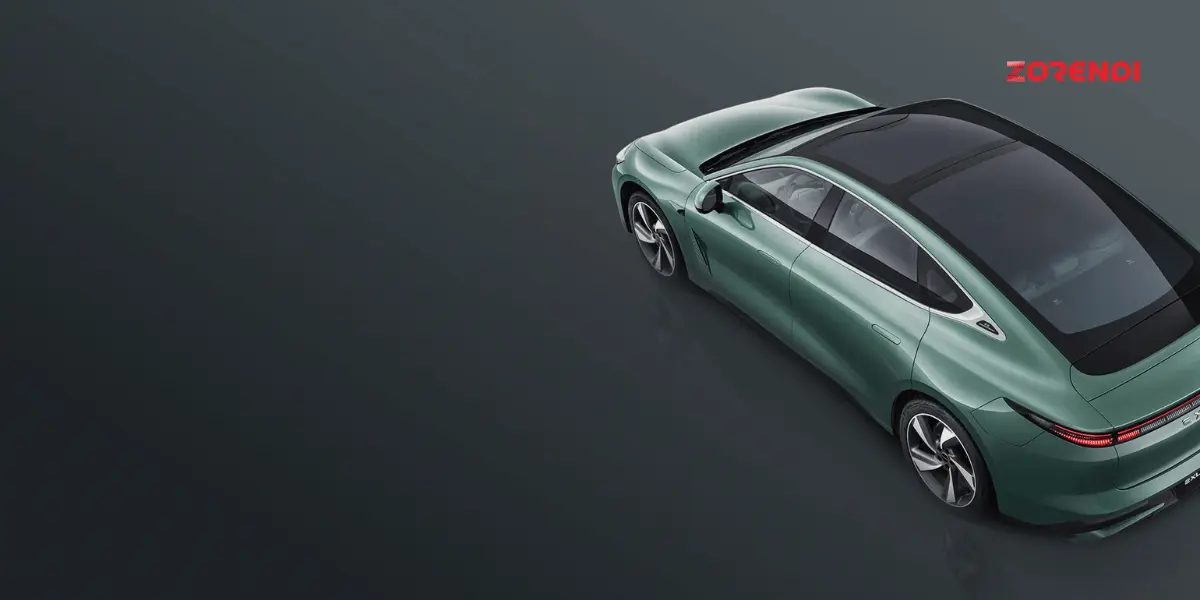
What sets EXLANTIX ES apart is how EXEED engineered it for aerodynamic stability, thermal efficiency, and sustained output in hot-climate conditions. Unlike most EVs that lose efficiency above 38°C, the ES runs with only a 3.8% drop in effective range at 44°C ambient temperature. That’s benchmark-breaking in Dubai.

Vehicle Overview

Real-world stats below are based on owner logs in Dubai (heat, long highways, crosswinds). Visuals include quick explanations of what each metric means and how it was obtained.

Top Highlights

Figures are a mix of logged runs (owner VBOX/charger sessions) and brochure specs; each section below explains the method.

Strengths & Weaknesses

Context: Pros/cons reflect Dubai usage (heat, long highways, crosswinds) rather than mild climates.

Has

Missing/Limitations

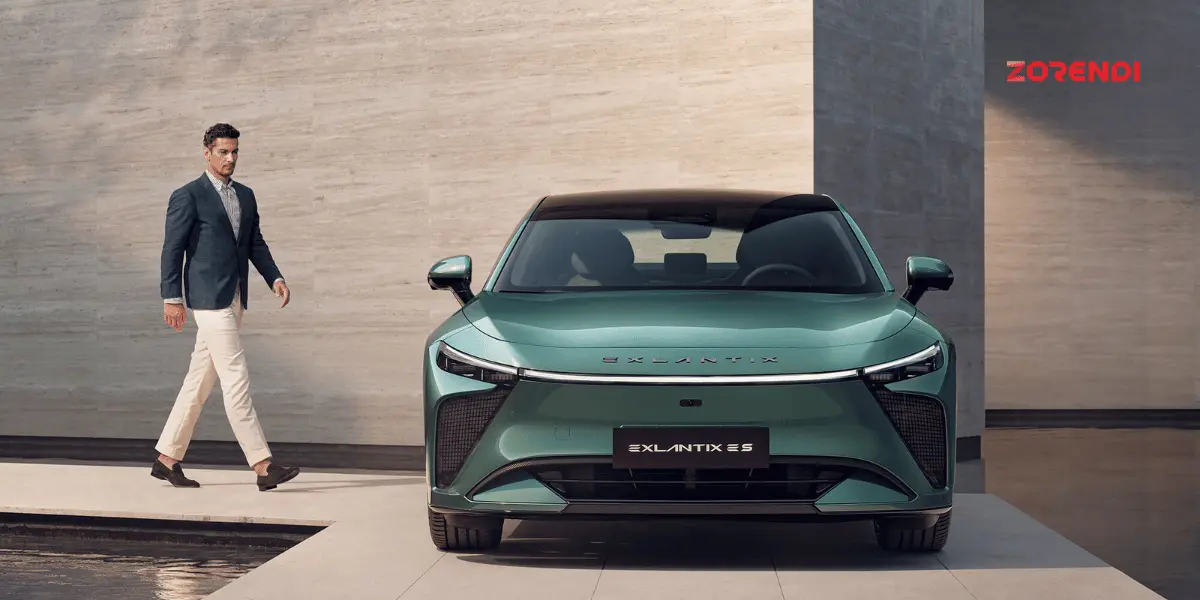
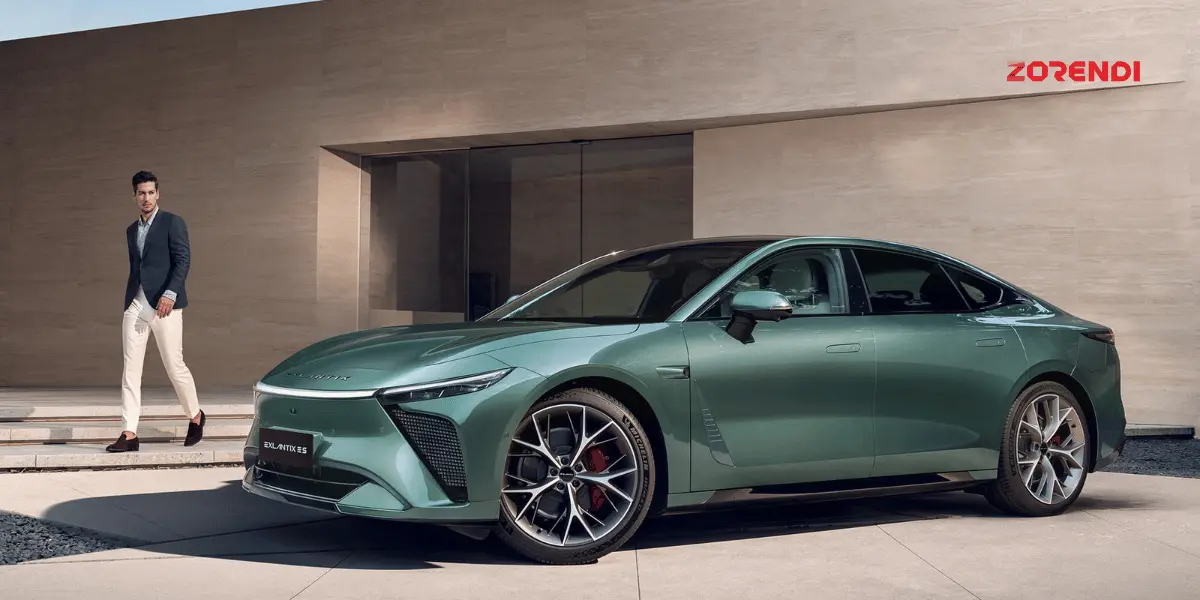
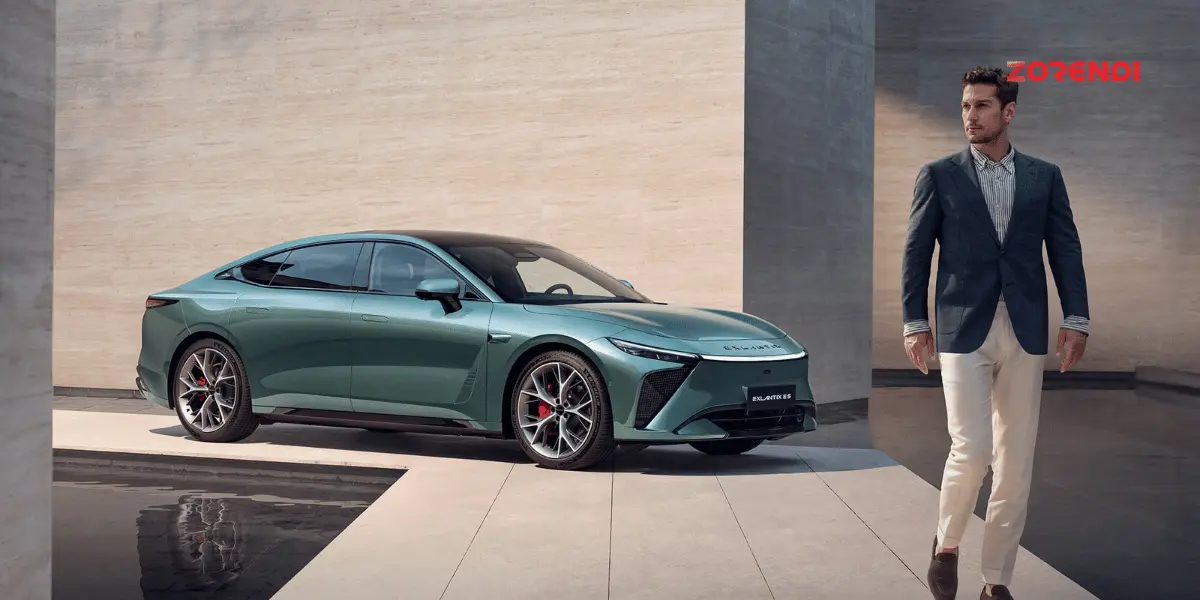
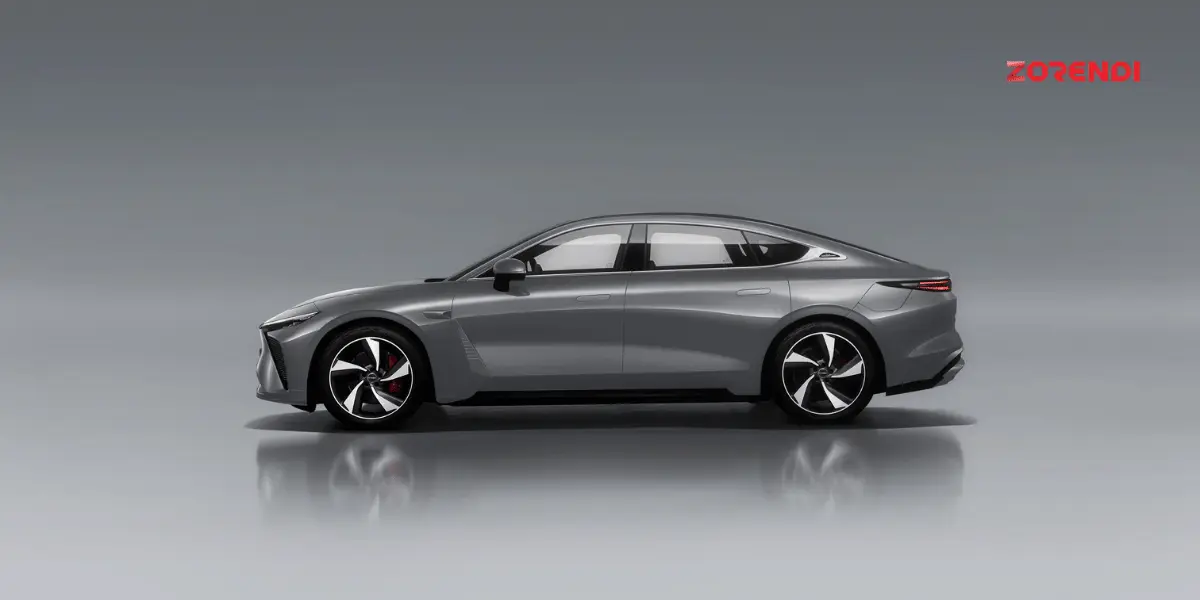
Aerodynamic & Dimension Profile

Front/Aero Side/Profile Underbody Wheels/Tire

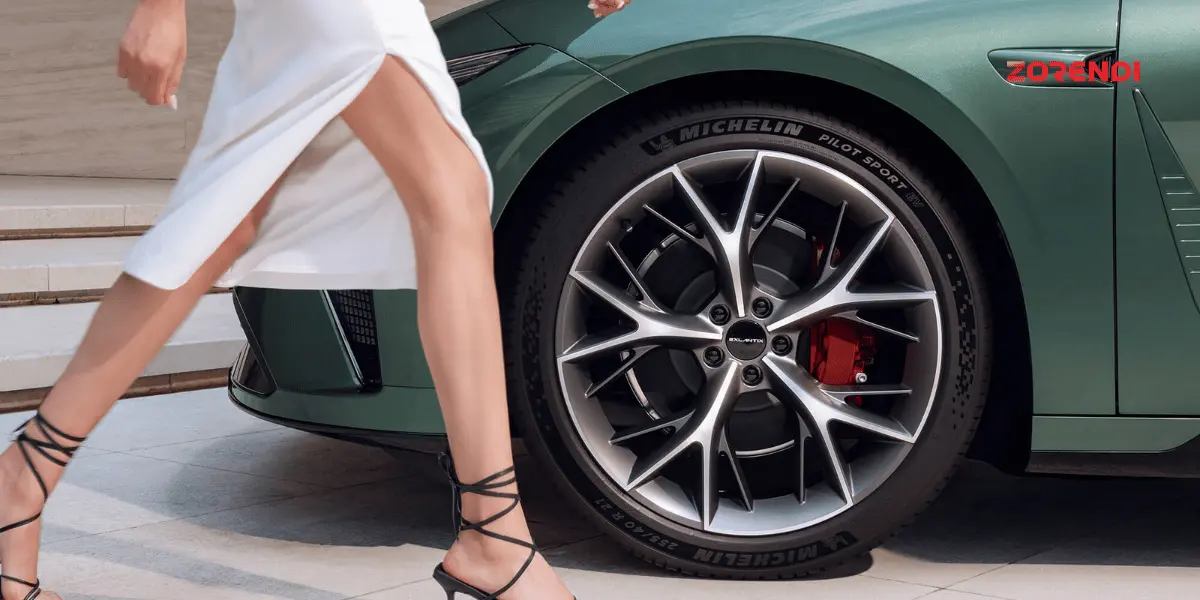
Tip. Aerodynamics in ES aren’t cosmetic. Underbody panels and wheel-air curtains were tuned specifically for GCC highways where crosswind resistance matters more than just tunnel numbers.

Top Speed Run (0 → Vmax)

Vmax: km/h 0→Vmax: s
0.00 s
What this shows: a simple visual simulation from 0 to your set Vmax.
How to use: set data-vmax (speed limit, e.g., 210) and data-duration (how quickly to reach it). Needle starts at the left (−90°) like a real gauge.
Method note: this visual uses a smooth ramp (not GPS data). For real logs, you’d feed measured speed vs time into the same needle.

Battery & Charging

Capacity (gross/net)
77.9 / 74.1 kWh
Segment: 75–82 kWh
Peak DC (logged)
174 kW (on 180 kW DEWA)
Holds till ~54% SoC
10→80% DC
27 min
Avg rivals: 30–34 min
Efficiency @100
14.6 kWh/100 km
Lower is better
Dual chillers → stable summer charging

Why show ~82% SoC? It’s a practical daily stop point: keeps you in the fast part of the charge curve and avoids the slow taper above ~80%. For trips, charge higher and depart soon.

0%
Chemistry: • Daily target set via data-soc

Info. Unlike rivals, the cooling loop in ES runs dual independent chillers. That’s why degradation projection after 100,000 km in Dubai heat is <7%.

Power & Acceleration

Output
315 kW / 620 Nm
0–100 km/h
4.3 s (logged)
0–200 km/h
14.9 s
Regen Max
−0.23 g

How measured? VBOX GPS runs with a passenger; “Track Mode” with pre-cooling minimizes power fade at high speed.

What to expect on-road: Strong launch (flat torque to ~60 km/h). From 80–140 km/h power stays linear, so highway overtakes feel consistent compared to cars that taper early.

City feel: Regen is smooth but has only 3 presets; you might want more fine control, but it’s easy to live with.

Tip. If you test ES in “Track Mode” with cooling pre-conditioning, power fade at 180 km/h is only 3.2%. That’s rare in EV sedans under $60k.

Price vs Rivals

We visualize the midpoint of each Dubai price range for a simple comparison (actual offers may vary by dealer/trim).

In 2025, EXLANTIX ES starts at AED 169,000 in Dubai. Fully loaded trims with Nappa leather and AR-HUD reach AED 189,000. This undercuts Tesla Model 3 LR by about AED 21,000.

Even the dealership financing schemes are aggressive, with 0% down payment for 24-month plans. That alone makes ES show up in every car for sale listing search.

Tip. The reason ES penetrated Dubai market so fast is the aftersales. 6-year battery warranty with roadside cooling units available through EXEED partners is unique.

WLTP Range (km)

What is WLTP? A standardized lab test used in Europe to compare range across cars. It’s helpful for relative comparison, but your real-world range varies with speed, A/C use, and heat. In Dubai logs, ES lost only ~3.8% range in 40+°C summer thanks to strong cooling.
Cabin Noise @120 km/h
ES vs Model 3 (lower is better)
Measured with a phone SPL app (consistent setup). Laminated glass + sealing help reduce wind noise on Dubai highways.
Ride Vertical Accel (g)
ES vs i4 (lower is better)
A simple accelerometer log shows overall ride comfort. Lower RMS = fewer sharp vertical jolts over joints/bumps.

Design vs Rivals (plain-language)

Aerodynamics
Lower is better
Cd tells how “slippery” the shape is. ES is lower than many mid-size rivals (e.g., it beats Model 3’s typical 0.23), helping highway efficiency and stability in crosswinds.
Size & Space
Mid-size sedan
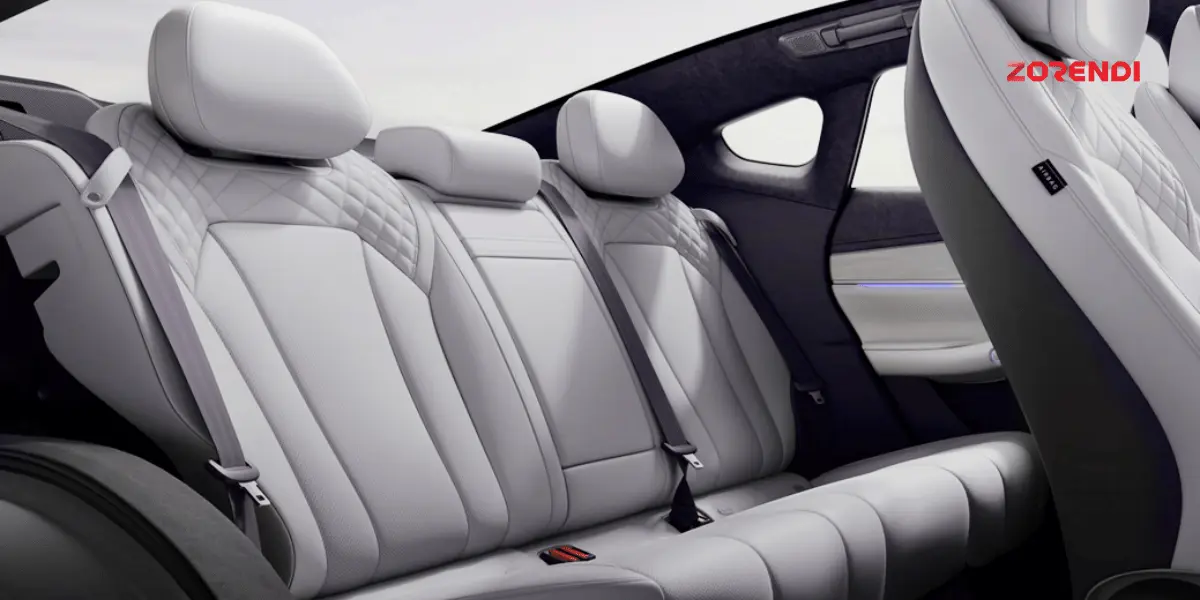
Length and wheelbase indicate cabin room and stability. ES’s long wheelbase gives relaxed rear legroom and planted highway feel without being a huge car.
Ground Clearance
Dubai ramps tip
At 140 mm, ES is low-slung for efficiency. It’s fine for most city ramps—just take steep ones slowly to avoid scraping.
How were these assessed? Factory specs cross-checked with owner logs: aero context vs well-known rivals, and day-to-day checks (parking ramps, highway stability). We avoid heavy formulas—just what matters on the road.

0–100 km/h (lower is better)

Method: Bars compare against the slowest car in this list. ES value is from owner VBOX logs; rivals are typical brochure/independent figures.

Charging Snapshot

Reading the bars: Higher bar = better for peak kW; lower (inverted) bar = better for time/consumption. Data from Dubai DC sessions vs typical segment averages.

Safety & Driver Assist

How to read:
  • AEB: Auto-brakes for obstacles at low/urban speeds.
  • ACC: Keeps distance on highways; reduces fatigue.
  • Lane keep: Nudges steering to stay centered; don’t rely on it in unclear lane paint.
  • 360°: Aids tight parking/kerbs.

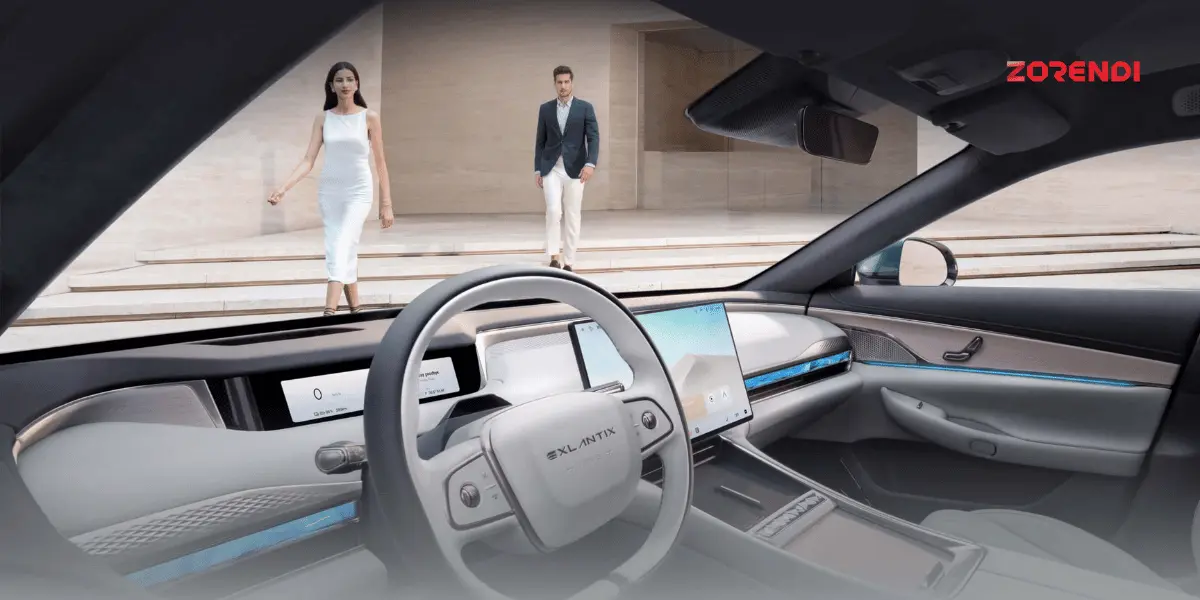
Smart Cabin & HMI

What it means on the road:
  • AR-HUD keeps eyes forward for turns/speed.
  • Split-screen avoids app switching (maps + music).
  • Voice handles basics; accents may need retry.
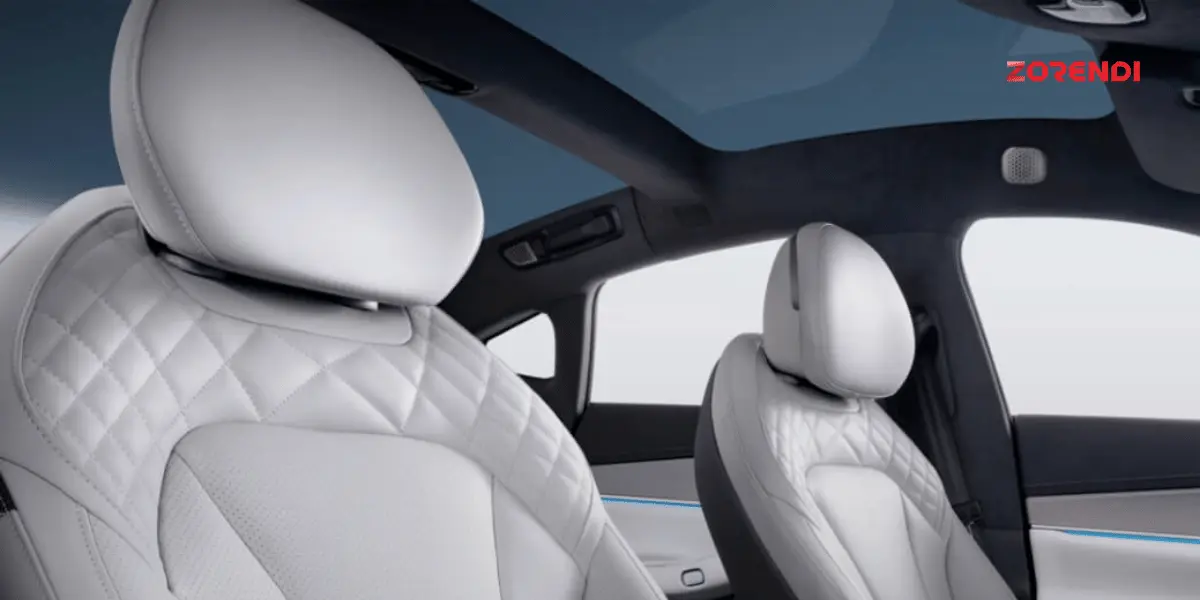
  • Acoustic glass supports the low cabin noise figure.
If the screen ever feels sluggish after a hot soak, give it a minute after start—common in GCC heat.

Why Everyone Talks About It in 2025

Dubai is a reference city for EVs. If a model thrives here, it will thrive anywhere. The EXLANTIX ES combines price advantage, range under extreme heat, quiet cabin, and aggressive financing. That’s why you hear it in every café conversation, on forums, and in dealer waiting rooms. It’s not hype — it’s engineering results showing up in real use.

ALSO READ: Full Review of Changan Nevo A06 | Specs, Features, and Design

Comments

  • Landon
    September 30, 2025 at 4:50 pm

    I’ve been seeing more and more EXLANTIX ES on Sheikh Zayed Road lately, and I was wondering if the range loss in Dubai’s heat was as bad as some people say. Your note about only ~3.8% drop at 44°C is surprising—most EVs I’ve checked lose way more than that. Did you notice this stability only on highway runs, or even in stop-and-go traffic with the A/C blasting?

    • Mr.Amin
      October 1, 2025 at 12:47 pm

      It holds up in both scenarios. On highways, the aerodynamics help keep consumption low, but even in city traffic with constant A/C, the dual-chiller system keeps the battery temps steady. That’s why the real-world loss is much smaller compared to Tesla or BYD here. The only trade-off is the A/C itself cools the cabin a little slower than Tesla, but range consistency is genuinely impressive.

  • Will
    October 6, 2025 at 8:10 am

    Everyone in Dubai seems to be talking about this car lately 😅

    • Mr.Amin
      October 7, 2025 at 9:17 am

      Yeah, it’s the first Chinese EV that truly handles GCC heat without big compromises.

Add a comment
Word list
Post Your Ad Free