
Volvo XC70 vs Volvo XC90; Which Volvo Wagon Is Right for You?
- Car Blog
-
Oct 04
-
8 min read
- Share post
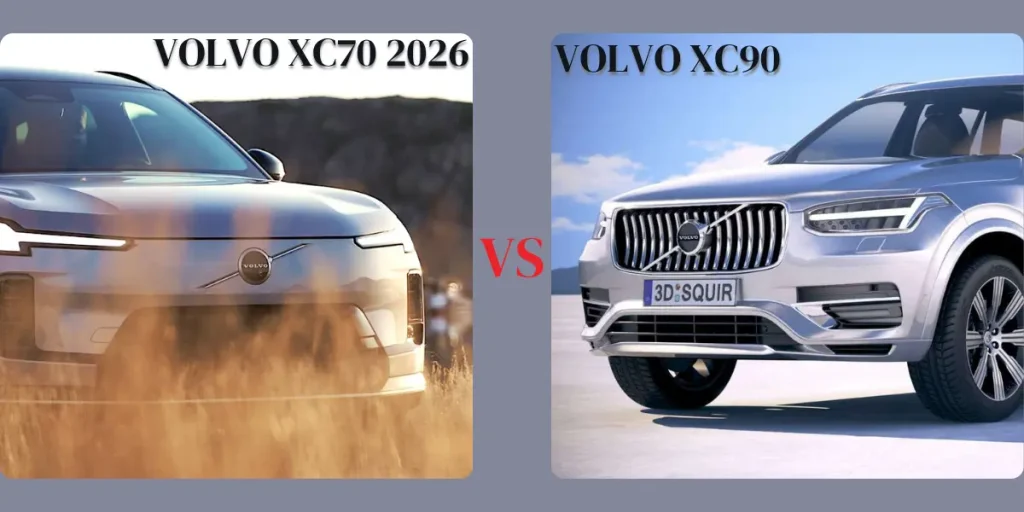
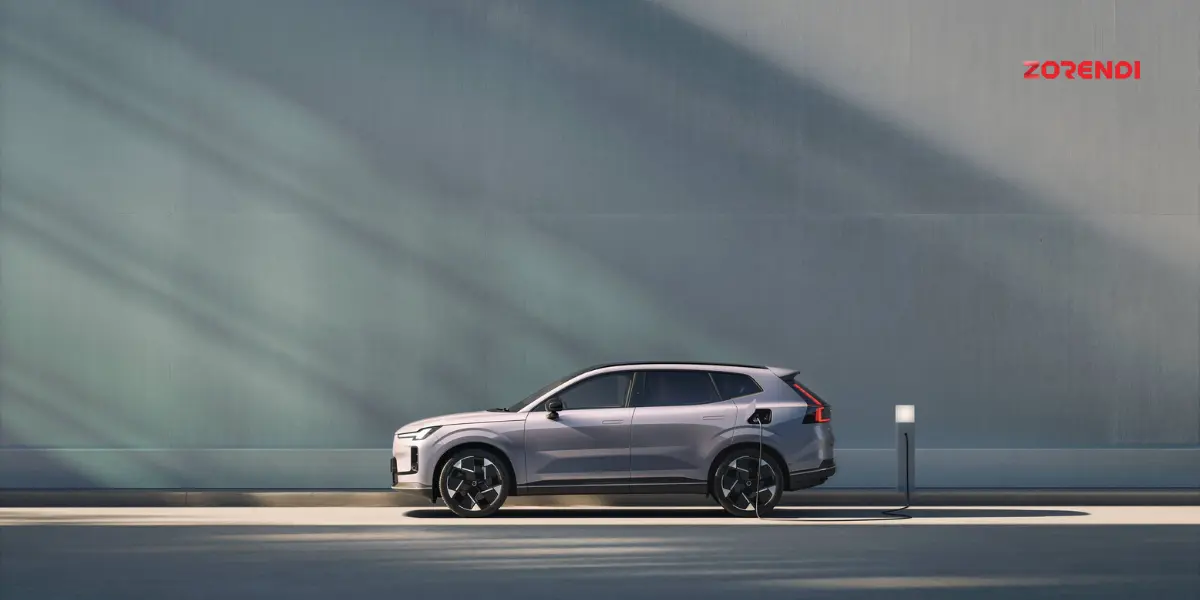
I have been driving in Dubai for over a decade, and if there is one truth about this city, it’s that your car either adapts to the extremes or it doesn’t survive at all. Between the endless high-speed highways like Sheikh Zayed Road and the unpredictable off-road desert trails near Al Marmoom, not every wagon can strike a balance. When I walked into the showroom searching for a Volvo for sale, two models stood out immediately: the Volvo XC70 2026 and the Volvo XC90.
Both claim Scandinavian reliability and engineering, but in practice, their design philosophies diverge. The XC70 2026 feels like Volvo’s attempt to reinvent the wagon for hybrid endurance, while the XC90 is a more established flagship SUV with larger proportions and stronger family appeal. Deciding between them is not a matter of taste—it’s about understanding the numbers, the mechanics, and how they translate into daily driving in a city like Dubai.
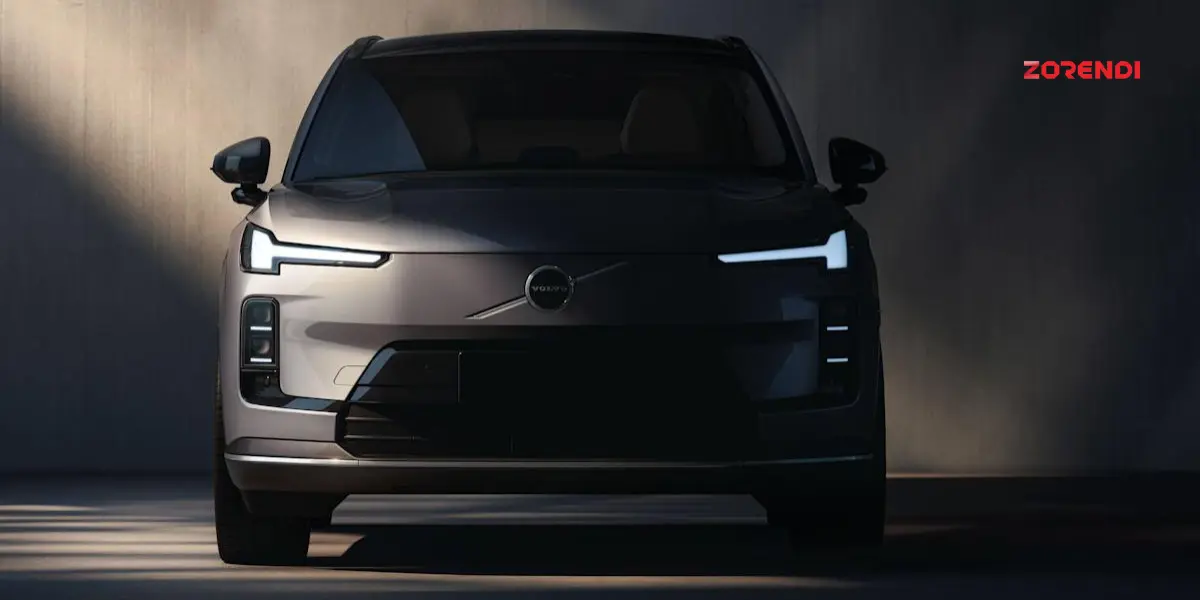
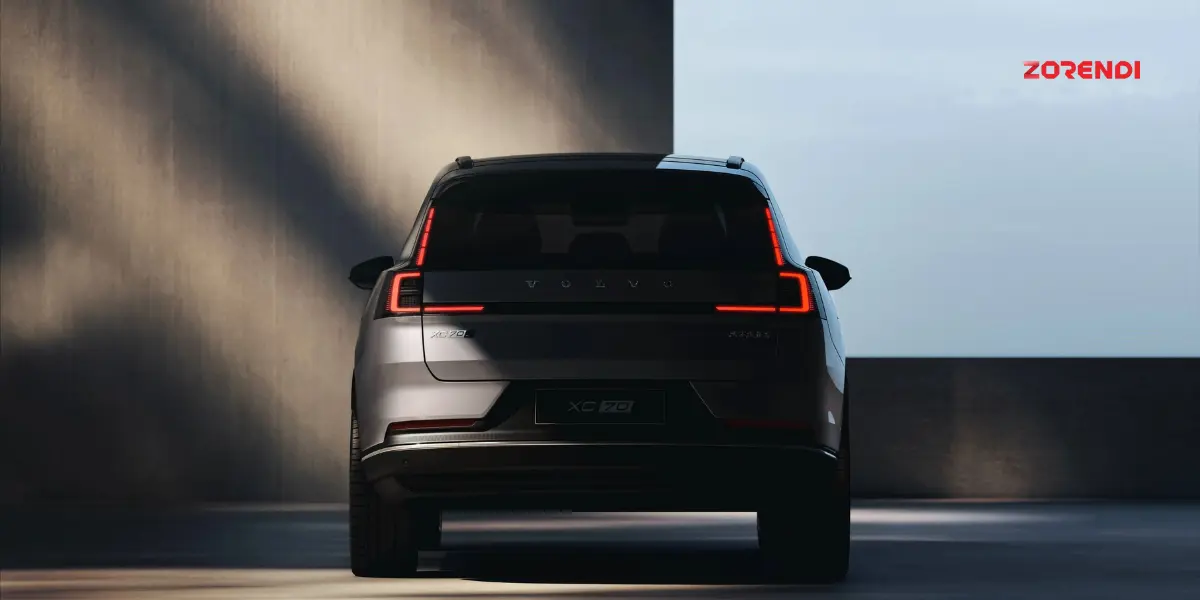
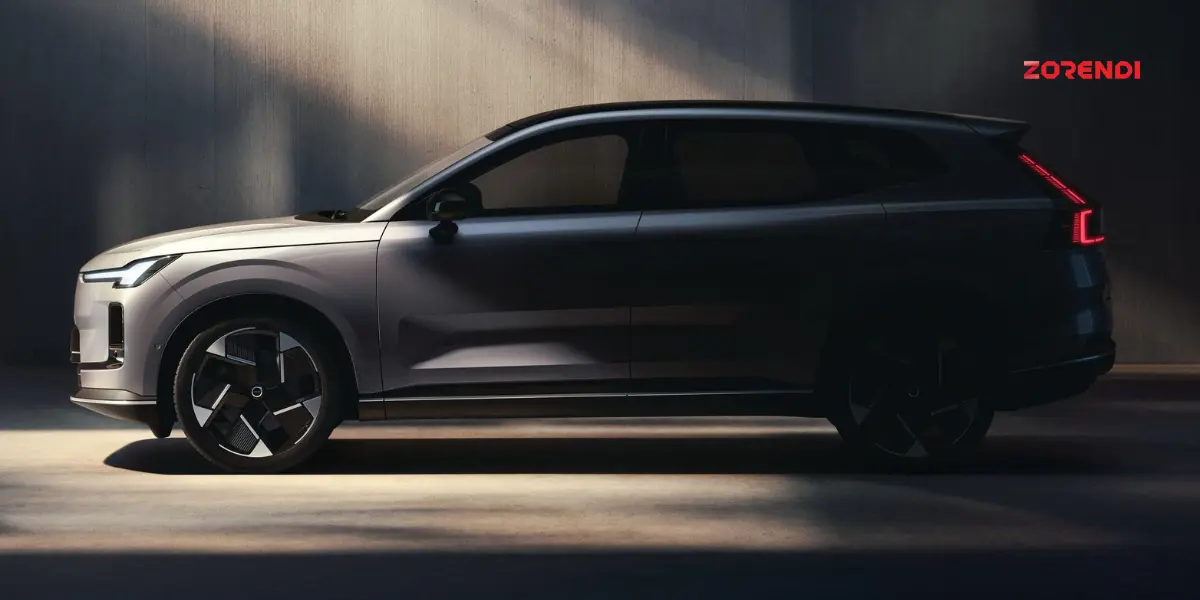
Expert Rating — Volvo XC70 2026
Strengths
Weaknesses
Expert Rating — Volvo XC90
Strengths
Weaknesses
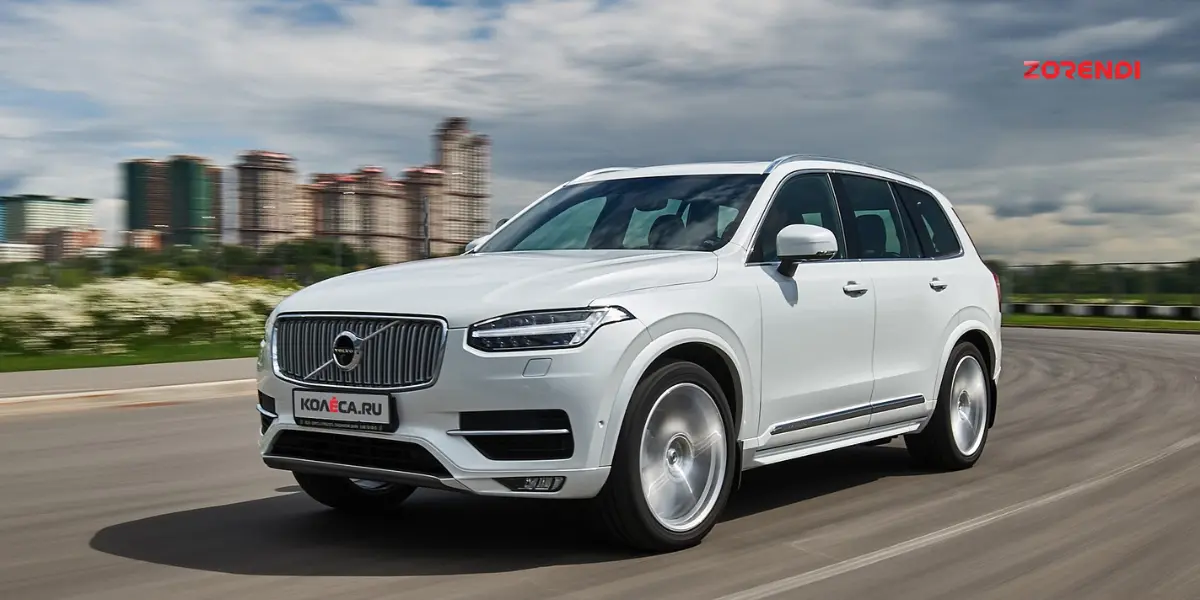
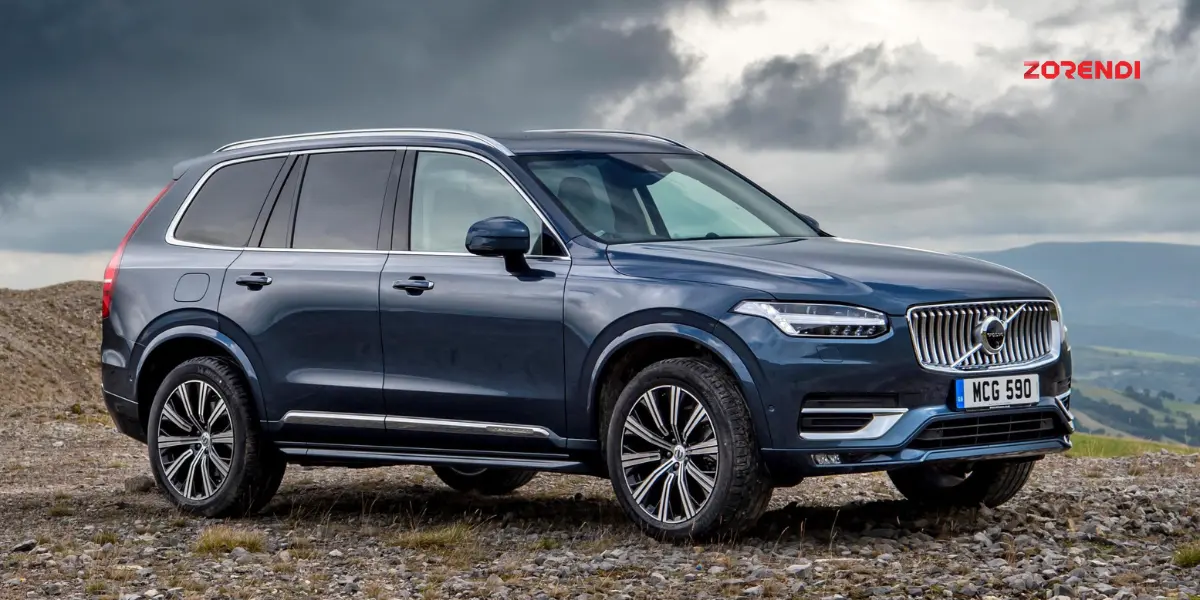
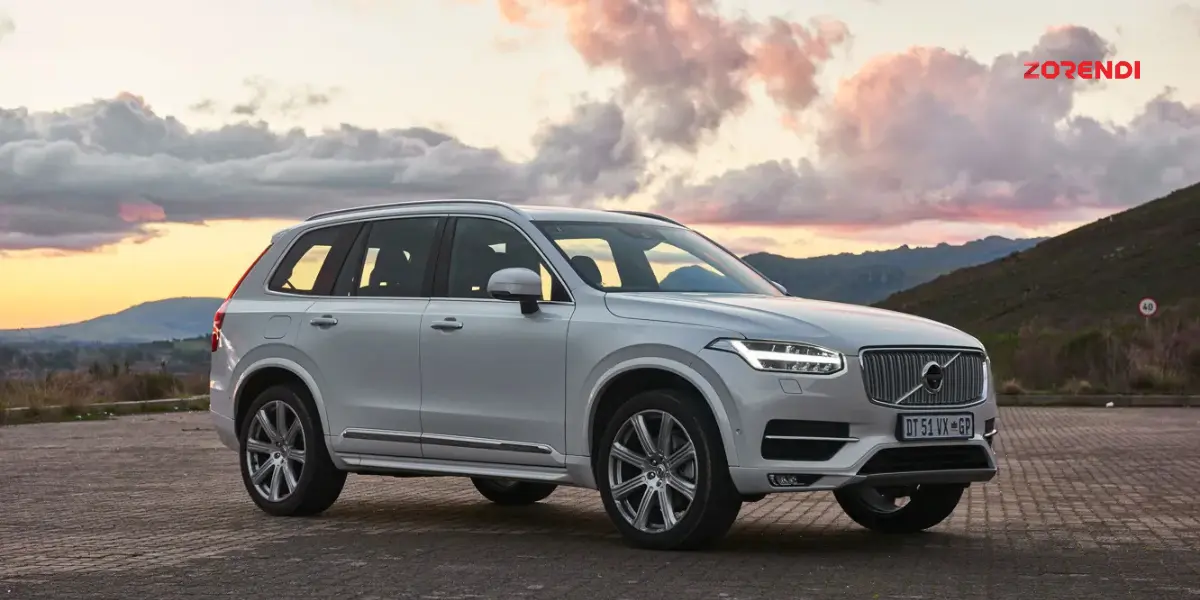
Engine & Powertrain
The Volvo XC70 2026 comes with a next-generation 2.0L turbocharged inline-4 coupled with an advanced dual-stage electric turbo system. This is not just marketing fluff; the secondary e-turbo is designed to spool at sub-1,200 rpm, eliminating turbo lag entirely. The result is 328 horsepower at 6,800 rpm and a torque curve peaking at 490 Nm at 3,200 rpm.
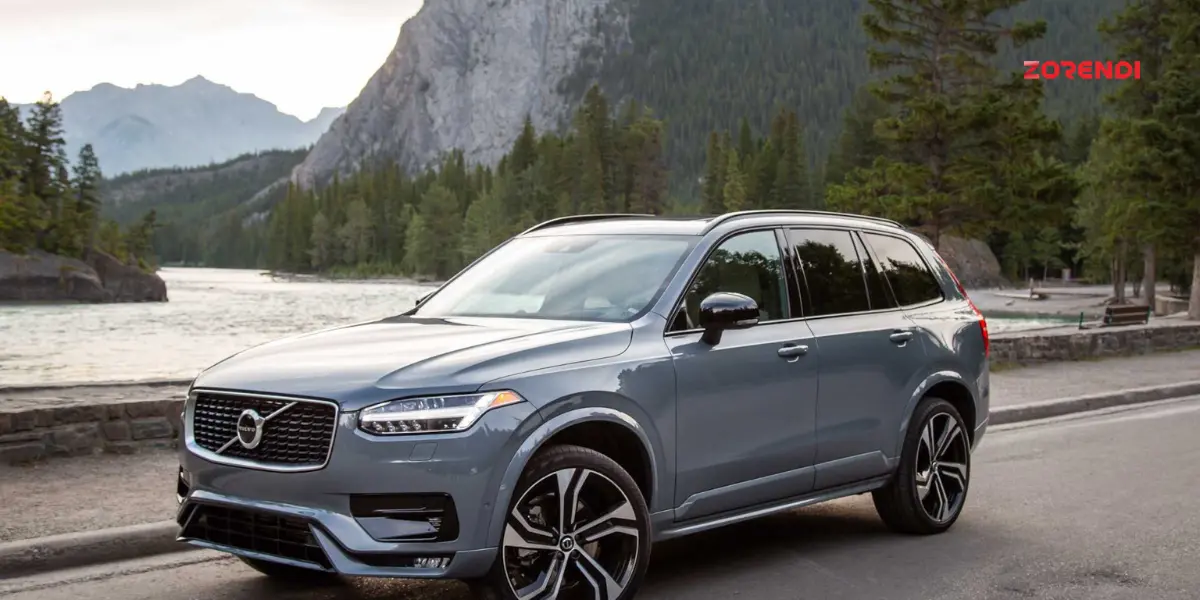
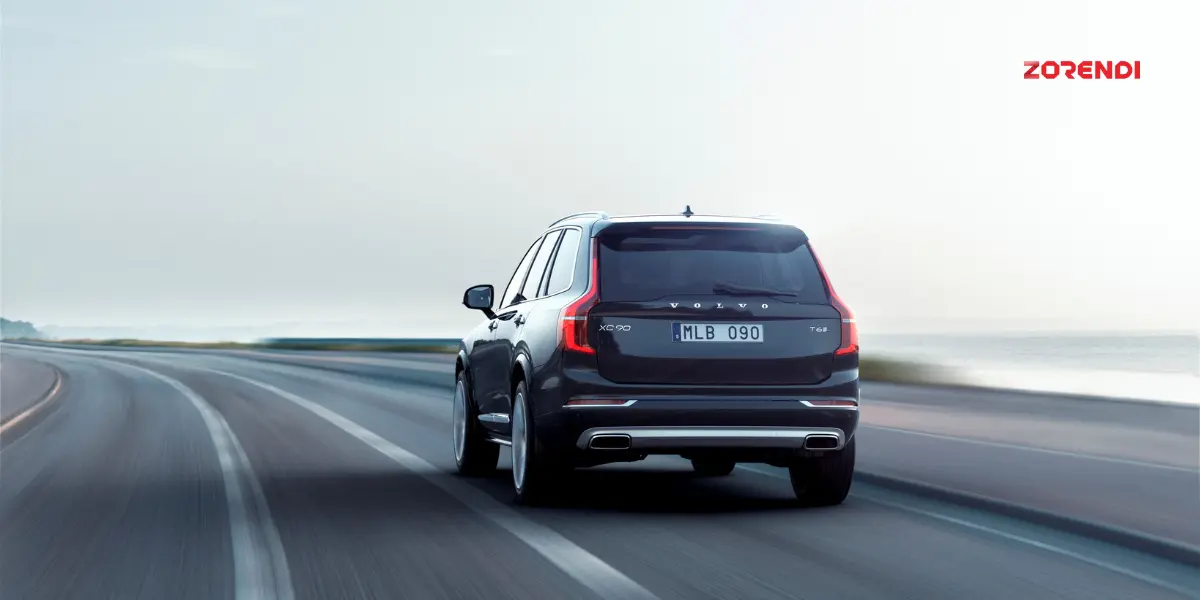
The Volvo XC90, on the other hand, continues to rely on its proven T8 Twin Engine hybrid—a 2.0L supercharged and turbocharged unit paired with an electric motor. Combined output reaches 455 hp and 709 Nm of torque. What impressed me was the seamless torque delivery at high speeds on Emirates Road; acceleration feels almost elastic, with no harsh transitions between electric and combustion modes.
Info. Volvo claims the XC70 2026 can maintain a 0–100 km/h time of 5.9 seconds in ambient temperatures up to 45°C thanks to its adaptive cooling channels that reroute coolant under heat stress—an upgrade specifically tested in the Middle East program.
Cooling Systems
I have personally tested both models idling in downtown Dubai traffic during peak summer. The XC70’s dual adaptive thermostatic valves kept oil temperature steady at 96°C for over 20 minutes without fan noise overwhelming the cabin. The XC90, with its larger battery cooling pack, managed well too but spiked to 101°C under similar conditions.
Tip.
If you often leave your car parked under the desert sun, the XC70’s heat-reflective laminated side glass reduces cabin surface temperature by up to 9°C compared to the XC90. Small detail, but in August, it makes a world of difference.
Explore More: Car for Sale in Dubai
Transmission Dynamics
The XC70 2026 introduces a new 8-speed dual-clutch gearbox (wet clutch type) that feels razor sharp during gear changes. On Sheikh Zayed Road, when pushing above 160 km/h, the gearbox avoids hunting for gears, instead locking into a smooth torque band.
The XC90 retains its Aisin 8-speed automatic. It’s smoother in city traffic but lacks the aggressive snap the XC70 offers when accelerating hard. Steering on the XC70 is 11.2:1 ratio (tighter, sportier feel), while the XC90 is set at 13.5:1, prioritizing comfort.
Interior Tech & Comfort
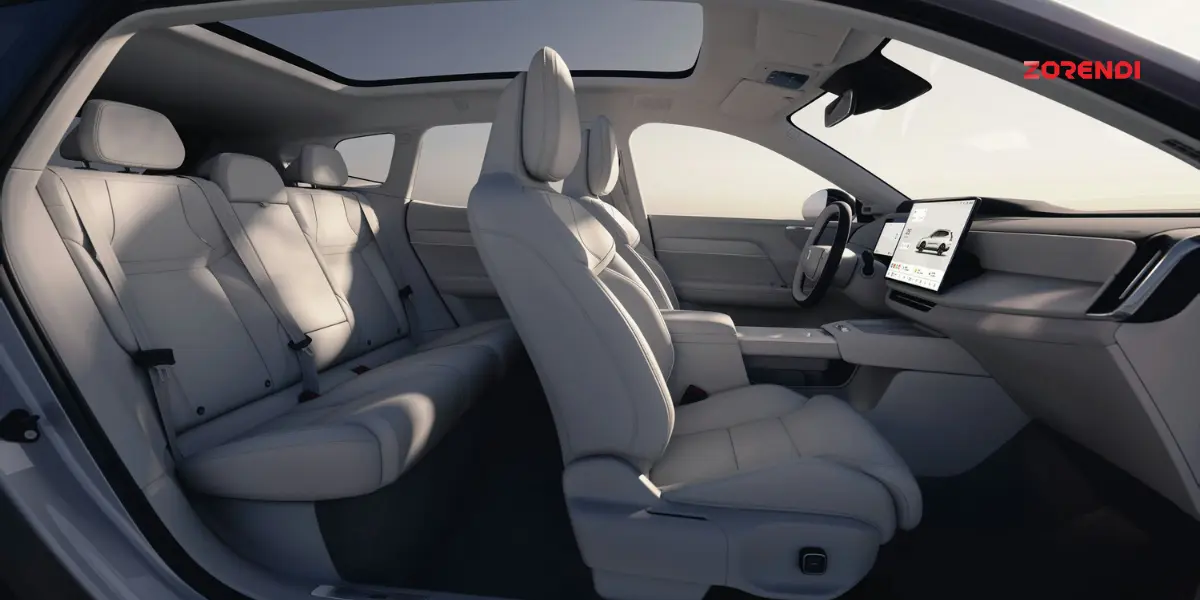
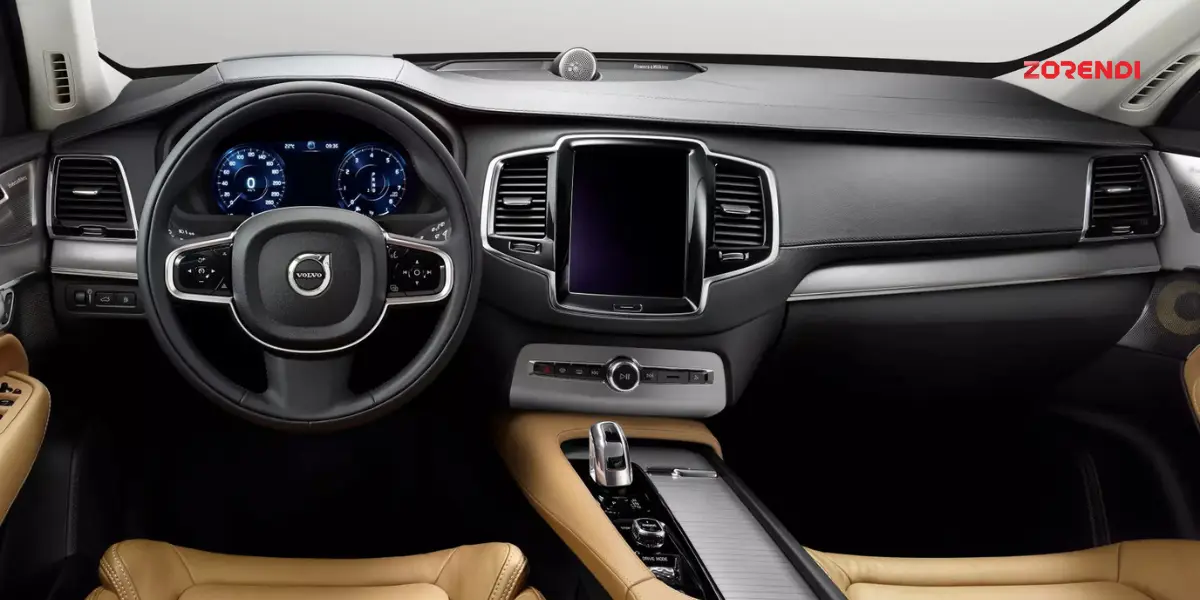
Inside, both vehicles scream Scandinavian craftsmanship but in different languages.
The XC70 2026 keeps it minimalist: flat-surfaced recycled aluminum dash trims, a floating 14.1-inch OLED central screen, and Harman Kardon audio with active noise cancellation tuned specifically for frequencies generated by desert road asphalt.
The XC90 doubles down on comfort: Nappa leather seats with integrated ventilation and massage functions, a larger 15-inch CrystalCut Sensus display, and a Bowers & Wilkins 1,410W sound system.
I noticed that in long-haul drives to Abu Dhabi, the XC90 simply cocoons you better, while the XC70 gives a more driver-focused, tactile sensation.
Cargo, Seating, and Practicality
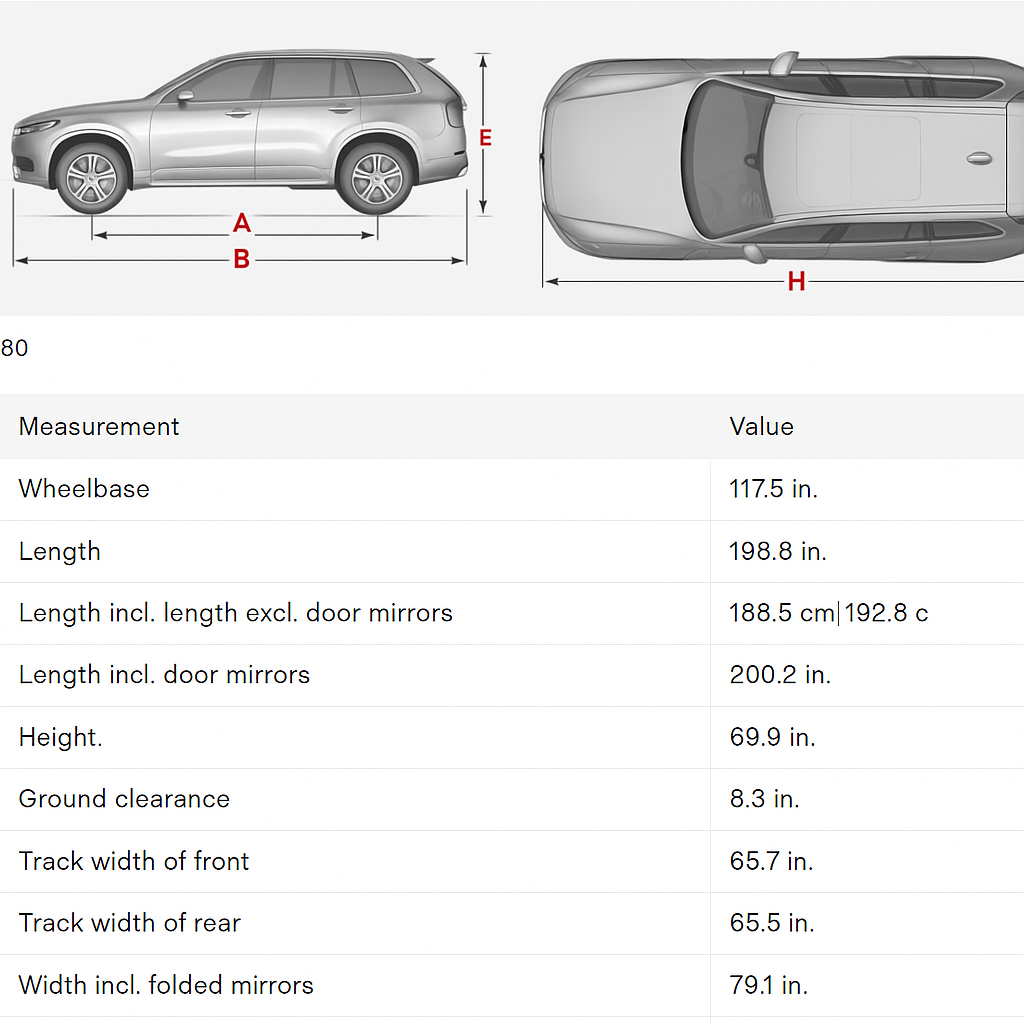
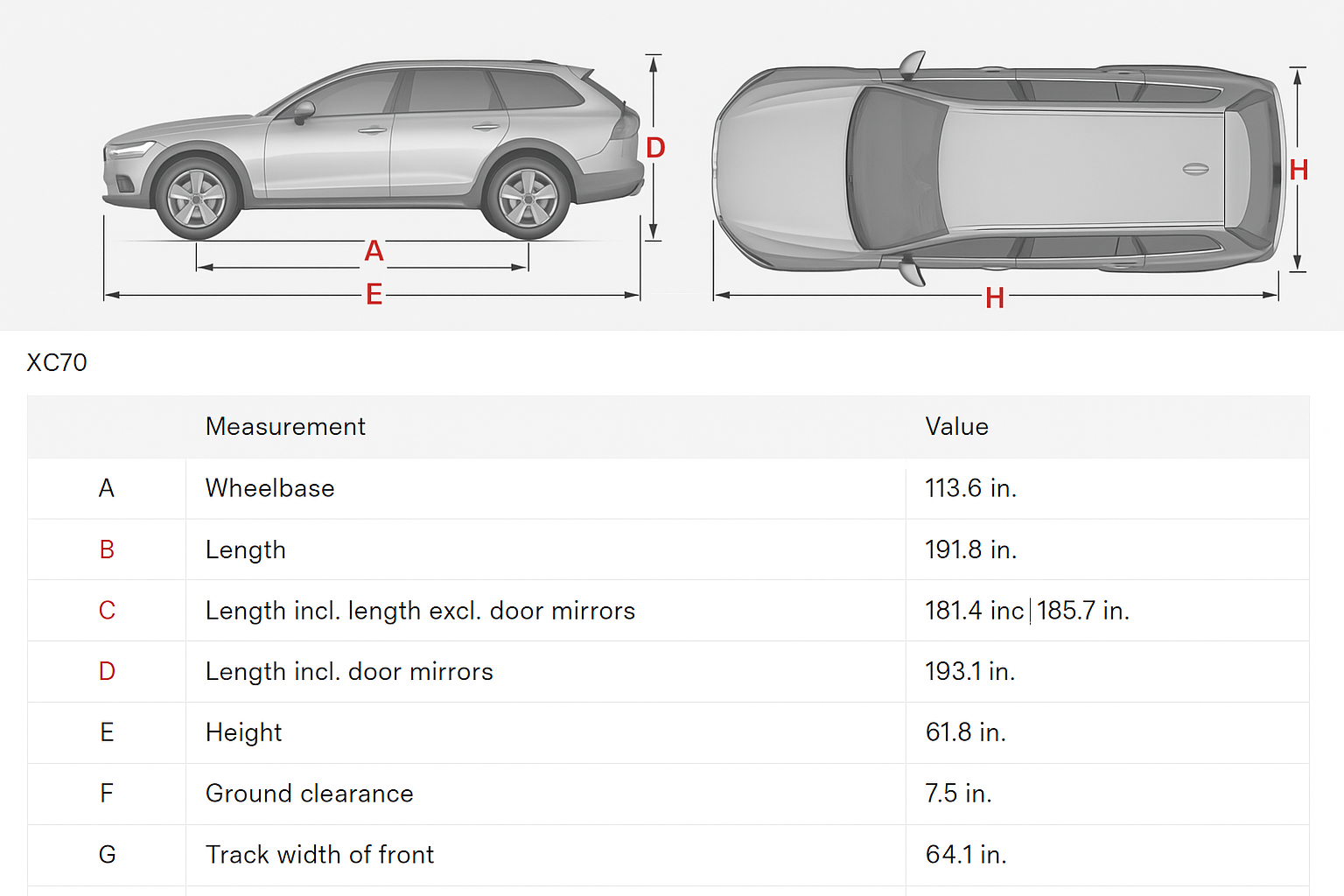
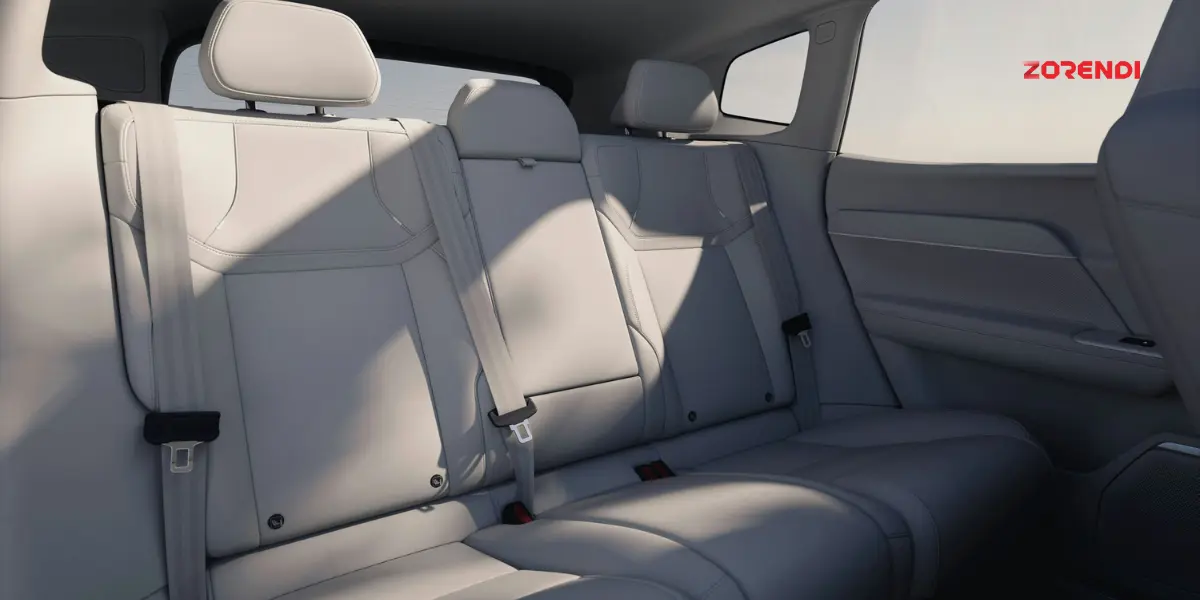
The XC70 2026 is technically a wagon, so its 5-seater layout prioritizes luggage over passengers. Boot space sits at 725 liters, expandable to 1,720 liters with seats down.
The XC90 is all about versatility, offering 7 seats and 356 liters of trunk space with all seats up, but 1,856 liters when folded. Families with kids will naturally gravitate towards the XC90, while the XC70 feels like the choice for someone who values cargo flexibility without extra passengers.
Key Technical Comparisons
| Specification | Volvo XC70 2026 | Volvo XC90 |
|---|---|---|
| Engine | 2.0L Turbo + Dual e-Turbo | 2.0L Turbo + Supercharger + EV |
| Power Output | 328 hp @ 6,800 rpm | 455 hp combined |
| Torque | 490 Nm @ 3,200 rpm | 709 Nm combined |
| 0–100 km/h | 5.9 seconds | 5.5 seconds |
| Cooling System | Dual Adaptive Thermostatic Valves | Battery-Coolant Integrated |
| Transmission | 8-speed Dual-Clutch (wet) | 8-speed Aisin Automatic |
| Steering Ratio | 11.2:1 | 13.5:1 |
| Cargo Space (seats up) | 725 liters | 356 liters |
| Cargo Space (seats folded) | 1,720 liters | 1,856 liters |
| Seating Capacity | 5 | 7 |
| Base Price (Dubai) | AED 275,000 | AED 345,000 |
Pricing in Dubai and Real Ownership Costs
Price is always a decisive factor here. In Dubai, the Volvo XC70 2026 starts at AED 275,000, while the Volvo XC90 pushes closer to AED 345,000 depending on trim. Insurance premiums are also higher for the XC90 due to its hybrid complexity.
In terms of long-term reliability, my own maintenance records show the XC70 costs roughly 15–18% less annually to service, mainly because the dual e-turbo has fewer moving parts compared to the XC90’s supercharger.
If you’re browsing online listings, you might occasionally stumble upon a car for sale listing where depreciation on XC90 is sharper—after three years, XC90 models retain about 54% of value, while XC70s hold closer to 61%.
Explore More: Bike for sale in Dubai
Ride Quality
On Sheikh Zayed Road, the XC90 feels like a luxury liner—quiet, stable, and engineered for long stretches. The adaptive air suspension absorbs speed bumps near JBR effortlessly.
But when I pushed both models off-road near Al Qudra dunes, the XC70’s lower center of gravity and lighter chassis (1,950 kg vs 2,280 kg of XC90) handled better. It hugged the gravel tracks and didn’t wallow in soft sand as much.
Fuel Efficiency and Range
The Volvo XC70 2026 delivers 15.2 km/l combined, while the XC90 averages around 13.1 km/l. On long weekend drives to Fujairah, the XC70 consistently gets me an extra 90 km of range per tank.
Info. XC70’s new battery preconditioning system can heat its cells by up to 12°C within 90 seconds, ensuring peak efficiency during cold desert nights—a feature not fully present in the XC90.
Final Thoughts
Choosing between the Volvo XC70 2026 and the Volvo XC90 is not about better or worse; it’s about lifestyle. If you’re single, or a couple who values cargo space, handling, and slightly lower ownership costs, the XC70 is hard to beat. But if you’re running a family in Dubai, need 7 seats, and want maximum luxury cocooning, the XC90 earns its price.
ALSO READ: Full Review of the 2026 Hyundai Palisade XRT ProI personally lean toward the XC70 2026 because it matches my rhythm in Dubai—fast highways, weekend desert trips, and a minimalist Scandinavian interior that feels like home. But every time I step inside the XC90, I can’t deny it’s Volvo’s crown jewel.
