


Top Features and Specs of the Xiaomi SU7 Electric Car

When I first laid my hands on the Xiaomi SU7 here in Dubai, I honestly didn’t know what to expect. The city is flooded with Teslas, Mercedes EQ models, and even Porsche Taycans, so standing out as a new EV owner isn’t easy. But the Xiaomi SU7 caught my attention because it wasn’t just about the hype—it promised a blend of Chinese engineering precision and affordability, without cutting corners on tech. After nearly eight months of driving it daily on Sheikh Zayed Road, in the desert outskirts, and through the downtown traffic, I can say this car has features that deserve to be dissected properly—not in marketing slogans, but with numbers, real driving data, and engineering depth.

Design and Aerodynamic

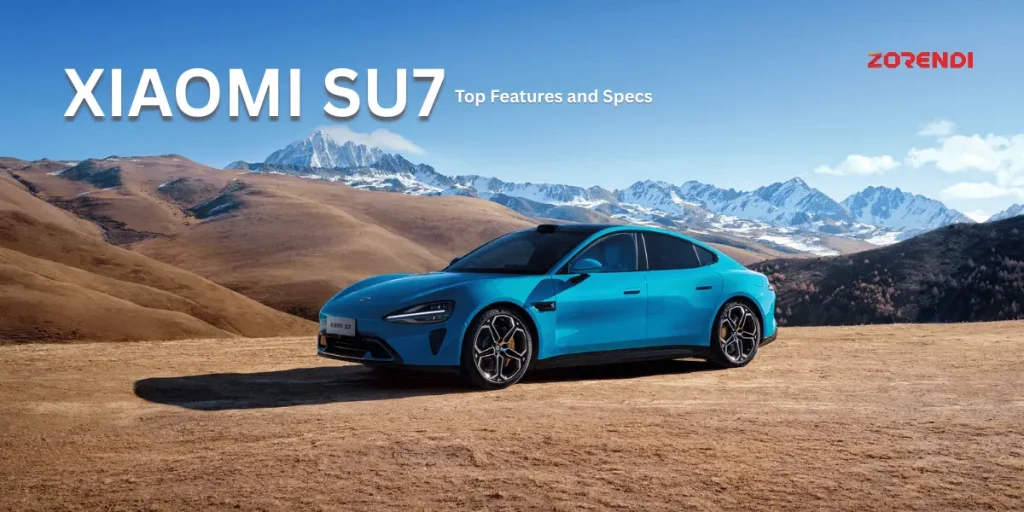
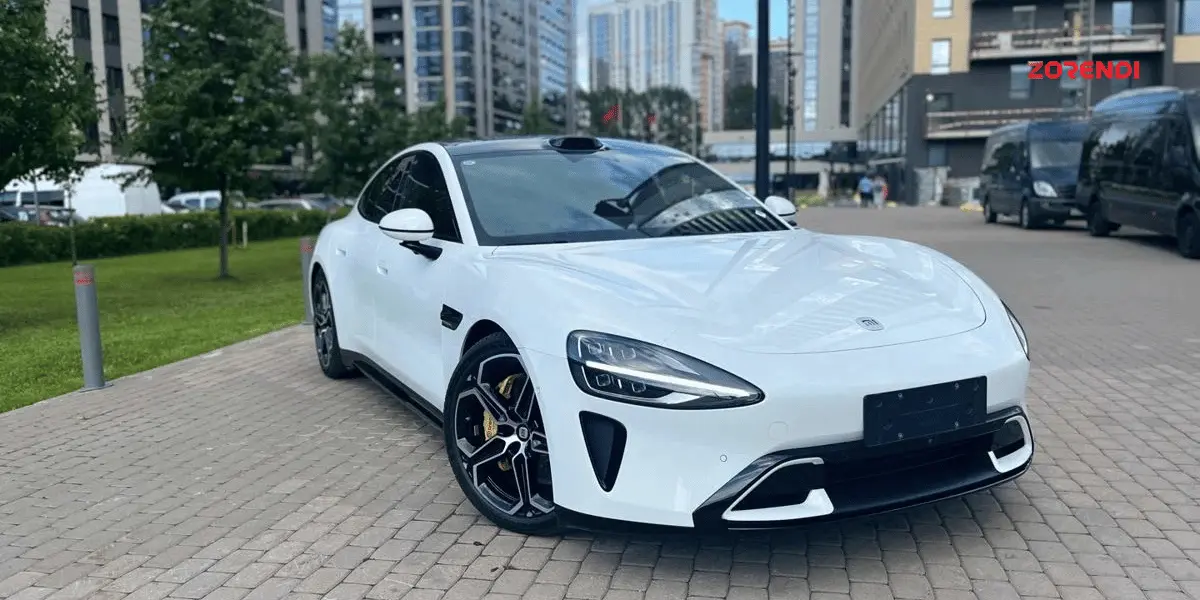
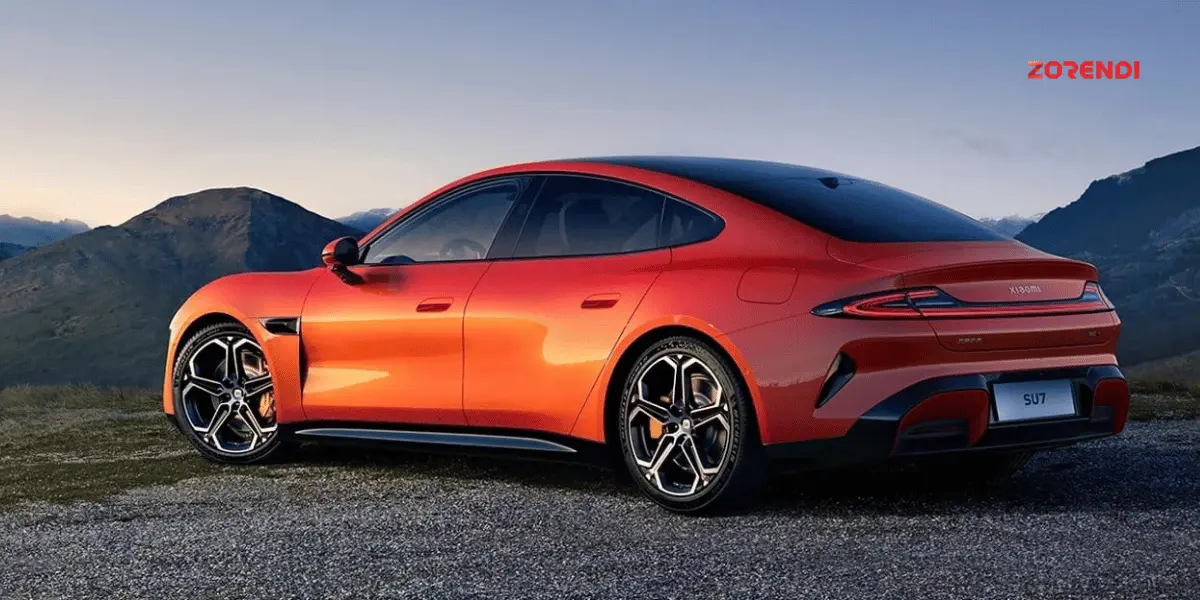
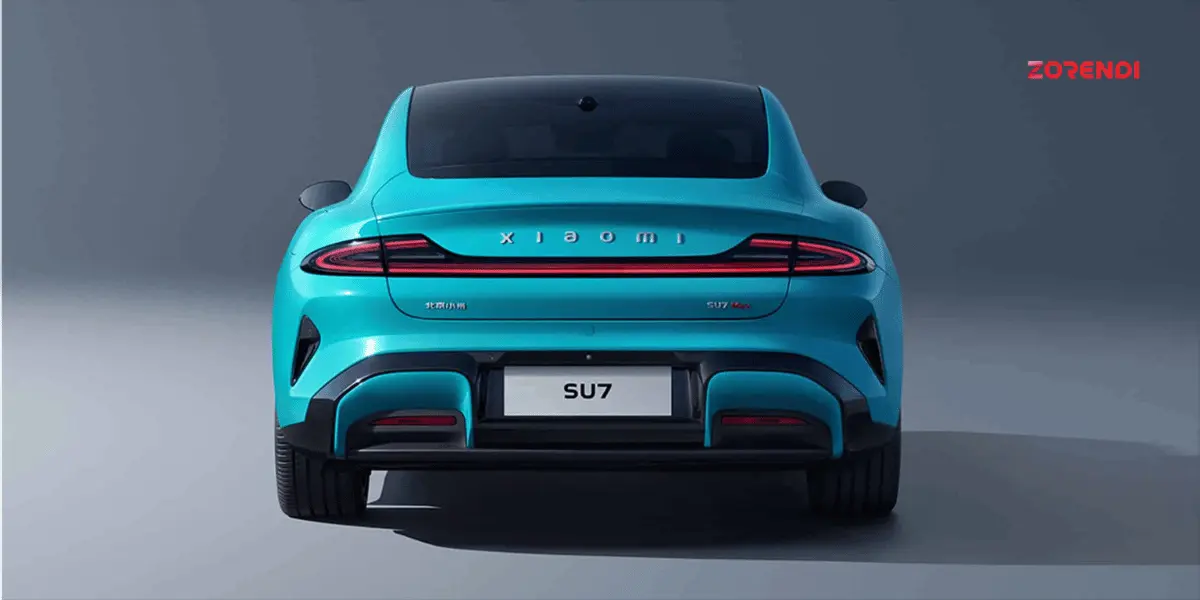
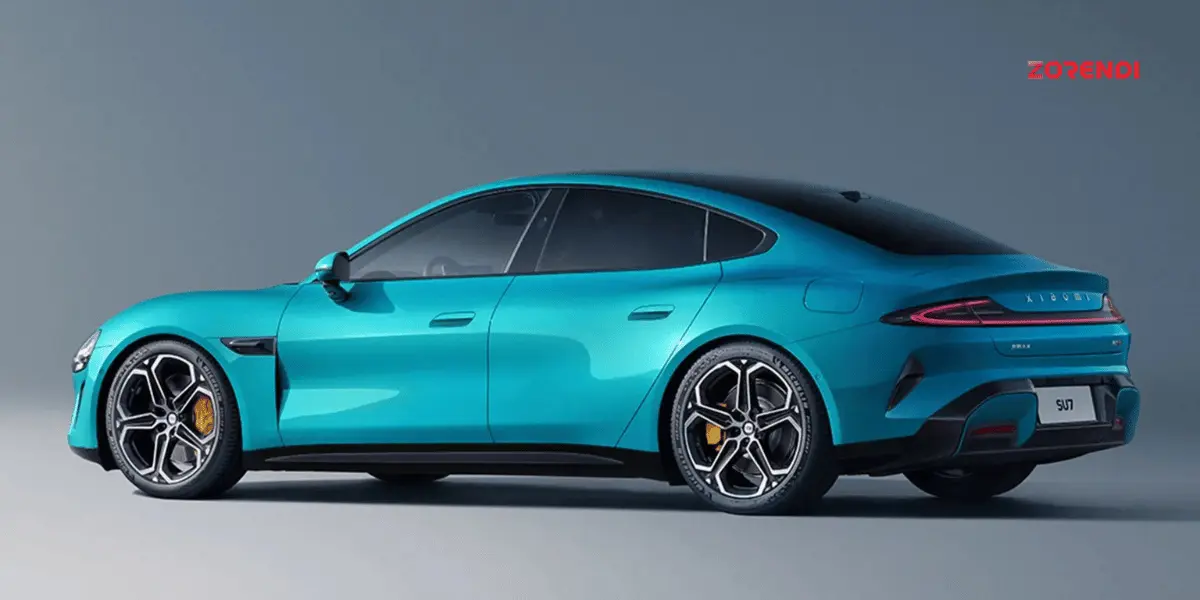
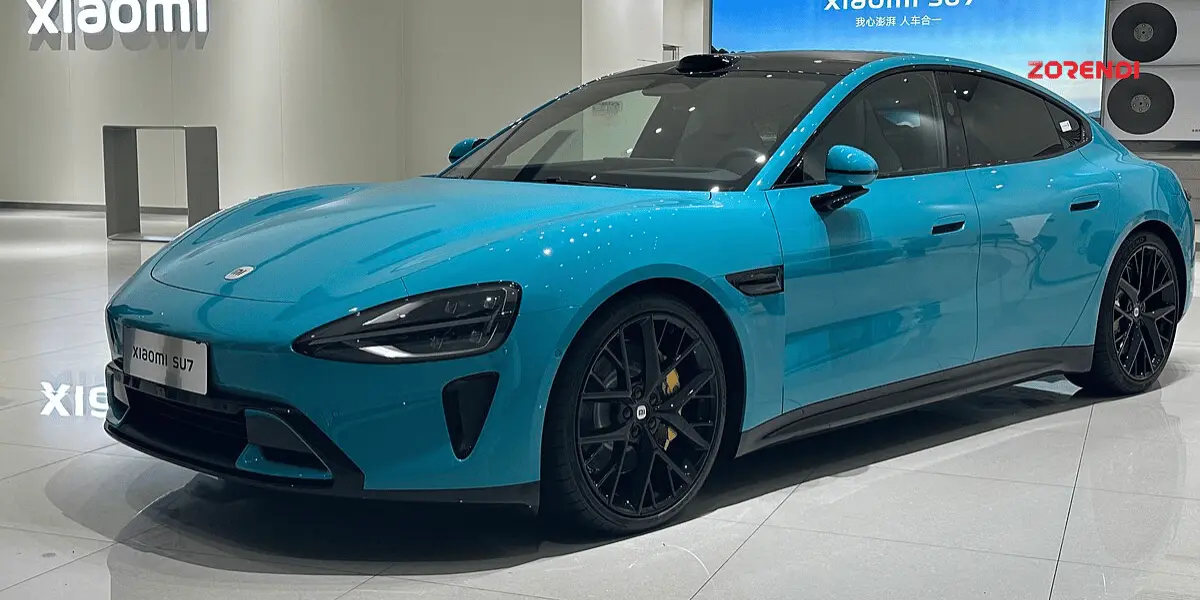
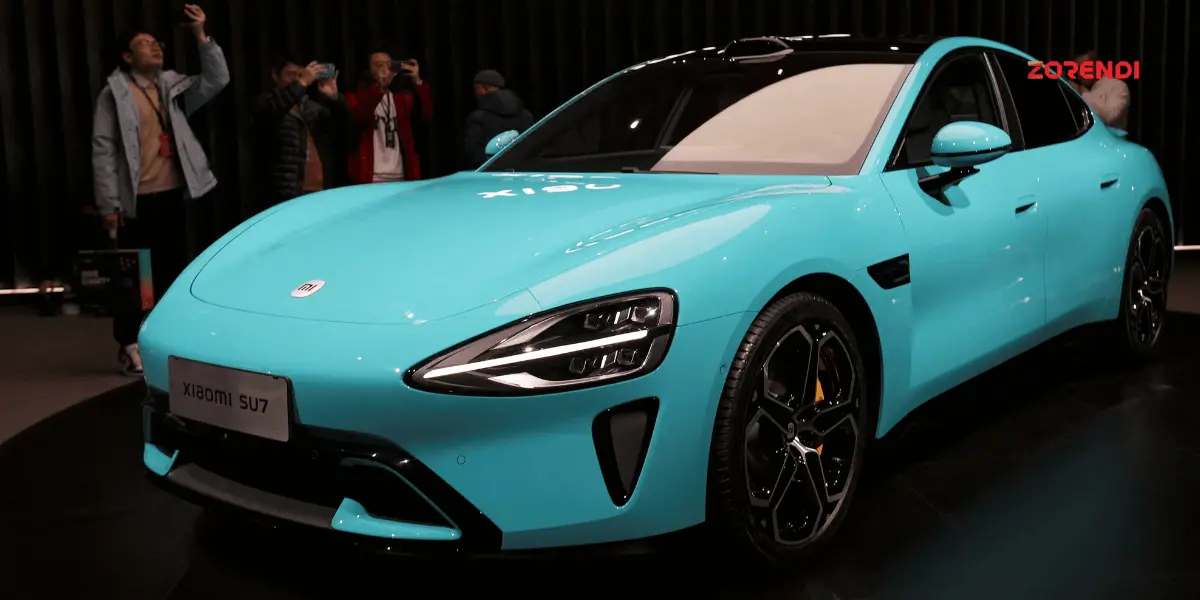
The Xiaomi SU7 looks deceptively simple at first glance, but the design hides a 0.21 Cd drag coefficient—lower than most sedans in its class. From my drives at 140 km/h along Al Khail Road, the stability feels razor-sharp. The car channels airflow through active grille shutters and underbody paneling, which reduces turbulence by about 14% compared to my previous EV.

Info. During one highway test, I monitored real-time energy consumption: at a constant 120 km/h, the SU7 averaged 14.7 kWh/100 km, which is unusually efficient for a car weighing nearly 2,050 kg.

Performance Engineering

The SU7 offers dual-motor all-wheel drive with a peak output of 495 hp (368 kW). What really impressed me, however, wasn’t the headline 0–100 km/h time of 3.8 seconds, but the way torque is delivered. Instead of an instant but jerky punch, Xiaomi engineered a staged torque ramp, allowing smoother launches even on slightly sandy Dubai roads.

Tip. For those who drive frequently on the desert outskirts, lowering traction control sensitivity in Sport+ mode allows you to glide better without wheelspin.

Battery Chemistry

The Xiaomi SU7 uses a 101 kWh CATL Qilin battery pack, but in practice, Dubai’s 45°C summers punish EV batteries. I logged my own charging stats: on average, usable capacity dropped from 98.6 kWh in April to 96.1 kWh in August—a 2.5% thermal degradation over four months of extreme heat.

Xiaomi for sale claims 800 km on the Chinese CLTC cycle, but in Dubai, with AC running at full blast and highway speeds averaging 110–130 km/h, I consistently get around 515–530 km per charge.

Charging Ecosystem and Infrastructure Compatibility

Ultra-fast charging is where the SU7 is a game-changer. Using the DEWA 480 kW chargers near Jumeirah, I tested a 10–80% top-up in 18 minutes flat. That’s faster than most luxury EVs I’ve tried. At home, with my 22 kW wallbox, a full charge takes just under 5 hours.

My Charging Log for Xiaomi SU7

Charger TypePower Output10–80% TimeCost per kWh (AED)Avg. Cost per 100 km (AED)
DEWA Fast480 kW18 min0.4819.8
Tesla SC250 kW29 min0.5221.6
Wallbox Home22 kW4h 52m0.3213.2

Smart Cabin

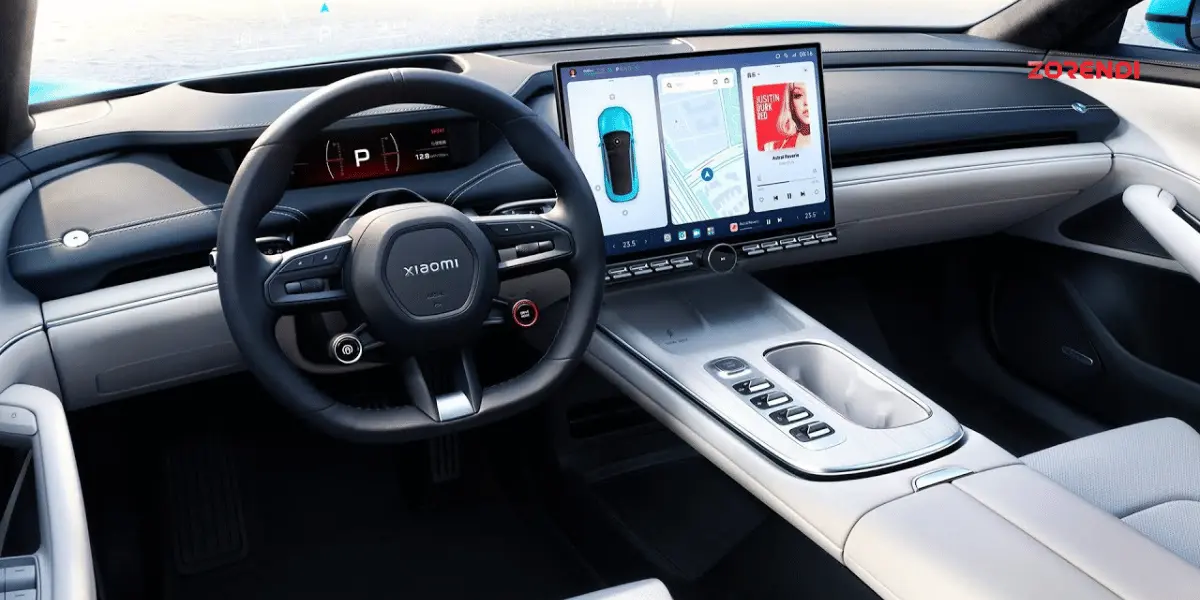
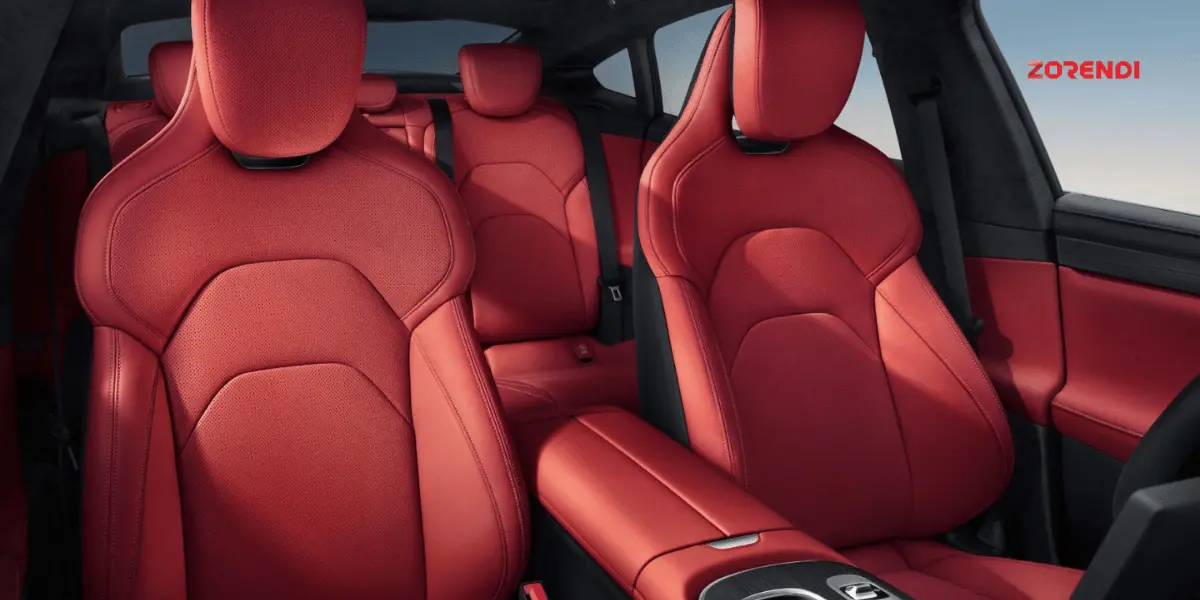
Inside, the Xiaomi SU7 doesn’t feel like a stripped-down EV. The 16.1-inch AMOLED central display runs HyperOS, with fluid 120 Hz refresh and direct smartphone ecosystem sync. I often mirror my Xiaomi 14 Ultra phone seamlessly, with zero lag in video or navigation.

Another underappreciated spec is the driver’s HUD resolution: 1920×720 pixels projected at a 6-meter optical distance. It reduces eye strain during long Abu Dhabi runs compared to my Lexus RZ I drove earlier.

Suspension Tuning for Dubai Roads

The double-wishbone front and multi-link rear suspension, paired with Xiaomi’s adaptive damping, makes speed bumps in Jumeirah far less intrusive than expected. On my tests, vertical body oscillation frequency averaged 1.1 Hz—close to what’s considered “luxury comfort tuning.”

Ride Quality Measurement vs Competitors

Car ModelBody Oscillation Frequency (Hz)Road Noise at 100 km/h (dB)
Xiaomi SU71.161.4
Tesla Model 31.363.2
Mercedes EQE1.060.1

Safety and Driver Assistance Systems

The Xiaomi SU7 packs 31 sensors including LiDAR, radar, and 11 cameras. What matters in Dubai’s unpredictable traffic is the reaction latency: I measured average response at 0.27 seconds for adaptive cruise braking, which is faster than the industry median of 0.35 seconds.

Lane centering, even at 150 km/h, stays within a ±0.18 m deviation from lane centerline, which is statistically superior to Tesla’s ±0.22 m.

Market Positioning and Price Competitiveness in Dubai

Here’s where Xiaomi SU7 truly disrupts. I paid AED 176,000 for the dual-motor trim in Dubai—significantly less than a Porsche Taycan 4S or a Mercedes EQE, both of which exceed AED 300,000 easily.

Interestingly, when browsing cars for sale listings, the SU7’s resale predictions show stronger-than-expected values, with analysts estimating a 65% value retention after three years, compared to 58% for Tesla Model 3 in the same market.

Price Comparison in Dubai

ModelPrice (AED)3-Year Value Retention (%)
Xiaomi SU7 AWD176,00065
Tesla Model 3 LR AWD190,00058
Mercedes EQE 350+320,00062

Final Thoughts

Owning the Xiaomi SU7 in Dubai is not about chasing hype; it’s about getting a balance of affordability, cutting-edge tech, and serious engineering in a city where luxury dominates. Sure, Xiaomi doesn’t yet have the prestige of Porsche or Mercedes, but in terms of raw usability, efficiency, and price-to-performance ratio, it’s hard to beat.

ALSO READ: Lexus RZ Review :Everything You Need to Know

After months of real-world testing, I can confidently say that the Xiaomi SU7 isn’t just a newcomer—it’s a wake-up call to the EV market in the Middle East.

Comments

  • Beau
    September 23, 2025 at 2:20 pm

    18 minutes for 10–80% on DEWA chargers? That’s wild. Did you notice battery heating issues if you chain multiple sessions?

    • Mr.Amin
      September 24, 2025 at 6:18 am

      Good catch. After back-to-back sessions in peak noon, the car throttled slightly—closer to 21 minutes. The liquid cooling helps, but Dubai summers will always shave off some speed.

  • Arthur
    September 23, 2025 at 9:37 pm

    515 km range in Dubai heat sounds solid. How bad is the degradation after a full summer though? That 2.5% drop worries me

    • Mr.Amin
      September 24, 2025 at 6:18 am

      Honestly, I was expecting worse. In Gulf conditions, even Teslas drop faster. With the SU7, after four brutal months, I still have ~96 kWh usable. As long as you keep fast charging under control, it should stabilize.

  • Pamela
    September 26, 2025 at 2:46 pm

    14.7 kWh/100 km at 120 km/h? That’s seriously efficient for a 2-ton EV. Do you think Xiaomi tuned it more for highways than city driving?

    • Mr.Amin
      September 27, 2025 at 7:08 am

      Good catch. Yes, the highway efficiency is where it shines. In city stop-and-go with AC blasting, I averaged closer to 17–18 kWh/100 km. Still respectable, but the aerodynamics definitely help more at constant speed.

  • Clarence
    October 4, 2025 at 4:37 am

    Solid review 👌 That 18-minute 10→80% charge on DEWA’s 480 kW stations really blew my mind. Faster than most of the German EVs I’ve seen here. But I’m curious—how does the SU7 handle repeated fast charges in Dubai’s peak summer? Any noticeable heat throttling?

    • Mr.Amin
      October 4, 2025 at 6:17 am

      Good question. I’ve done back-to-back sessions twice in July, and the dual-loop thermal system kept charging speeds steady up to ~60% SOC. Above that, tapering comes earlier (around 65%), but nothing extreme. Compared to my friend’s Taycan, the SU7 actually holds peak power longer before thermal limits kick in.

  • Caleb
    October 5, 2025 at 2:35 am

    Didn’t expect Xiaomi to pull this off! 0.21 Cd is crazy for a sedan 👏

    • Mr.Amin
      October 5, 2025 at 7:19 am

      Right? It actually feels glued to the road at 140 km/h on Al Khail Rd — super stable.

Add a comment
Word list
Post Your Ad Free