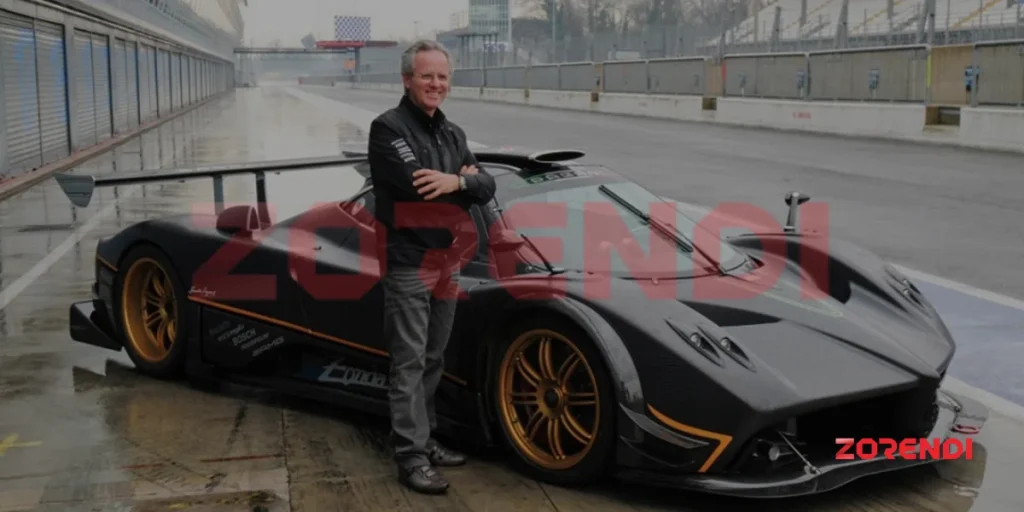
Pagani History From a Small Workshop to Hypercar Legend
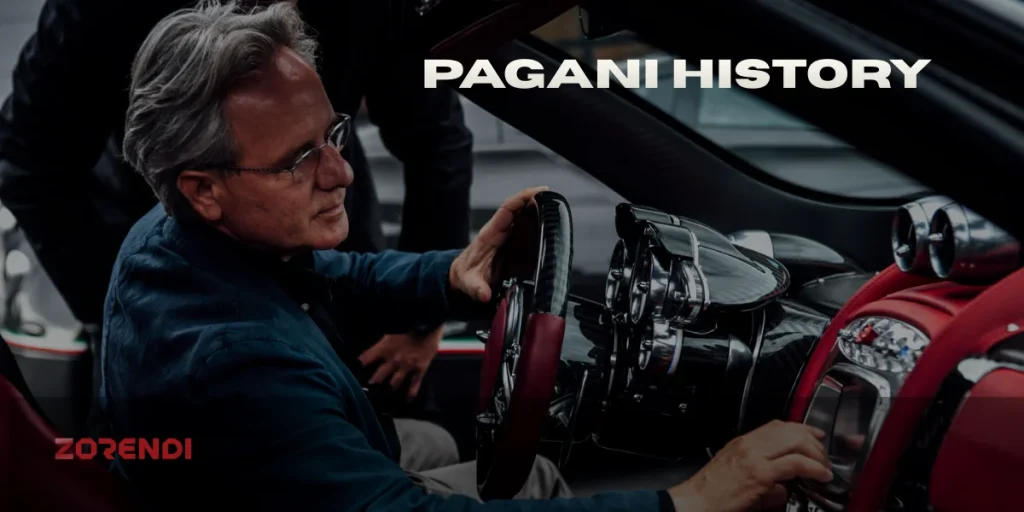
The first time I seriously thought about Pagani History, I wasn’t in a showroom or flipping through a glossy magazine. I was looking at a Car for Sale listing for a Zonda F and just froze at the price tag it felt unreal. But the fascination wasn’t the money. It was understanding how a single person, starting in a tiny workshop, could create something so technically exceptional.

Pagani History isn’t about marketing. It’s about engineering conviction, decisions that refused shortcuts, and a relentless focus on precision over popularity.

Pagani History

The Early Foundations

When you trace Pagani History, you start in Casilda, Argentina, where Horacio Pagani grew up around machines, tools, and mechanical logic. There was no privilege, just hands-on education with real consequences. He learned early that every structure has stress points, every material behaves differently, and the smallest miscalculation matters.

In his twenties, Pagani experimented with composites long before the term “carbon fiber supercar” became a trend. At the time, the material was expensive and underappreciated. Horacio saw its potential: lower weight, higher torsional rigidity, and safety that metal alone couldn’t provide. This insight wasn’t marketing; it became the backbone of every car he would ever create.

ℹ️ Information
His early obsession with composites would define the technical language of Pagani History.

Modena and the Hard Road of Validation

Arriving in Italy didn’t mean doors opened. Ferrari rejected Pagani’s requests to work with an autoclave for composites, dismissing the need for advanced material research. Instead of giving up, Horacio founded Modena Design, supplying carbon fiber components to Lamborghini and other manufacturers.

This phase of Pagani History is crucial. It’s where industrial discipline, precision under pressure, and understanding tolerances in real production were formed. He wasn’t building a brand; he was proving the technology could work.

💡 Useful Tip
If you want to understand why Pagani cars feel over-engineered, this supplier era explains it.

Zonda From Concept to Revolutionary Reality

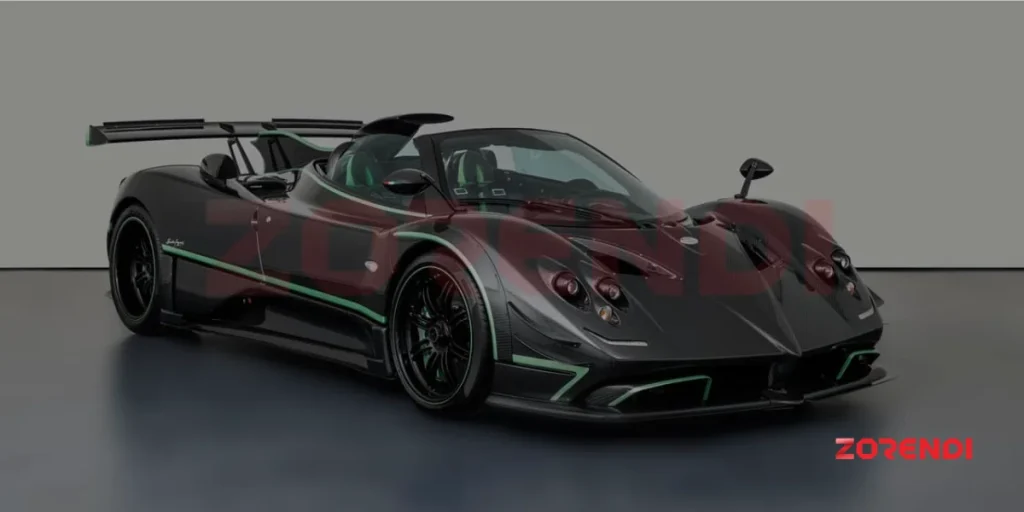
The Zonda wasn’t just a car it was the first visible result of Pagani History. The prototype C12 debuted in 1999 and shocked the industry with its round yet aggressive shape, exposed carbon fiber, and visible mechanical honesty.

Technically, it was groundbreaking. Mercedes-AMG V12 engine, carbon monocoque chassis, and aerodynamics inspired by aviation rather than racing conventions. Early Zondas weren’t perfect; panel gaps evolved, cooling systems improved, and every car was treated like a living project.

💡 Useful Tip
Treating each vehicle as a “work in progress” rather than a finished product is a recurring theme in Pagani History.
Pagani History

Craftsmanship Over Scale

One defining trait of Pagani History is deliberate low-volume production. Unlike Ferrari or Lamborghini, scaling was never the goal. Each car required meticulous handcrafting. Interior knobs were machined from solid aluminum. Seats were hand-stitched to exact specifications.

This was engineering logic, not nostalgia. Tight tolerances and material consistency demanded human inspection at every stage.

ModelProduction YearsUnits ProducedCore Material Focus
Zonda C121999–2002~18Carbon Fiber
Zonda F2005–2007~25Carbon-Titanium
Huayra2011–2018~100Carbo-Triax
Huayra BC2016–2019~40Carbon-Titanium HP

This philosophy of restraint underpins Pagani History.

pagani Aerodynamics

Aerodynamics as a Central Player

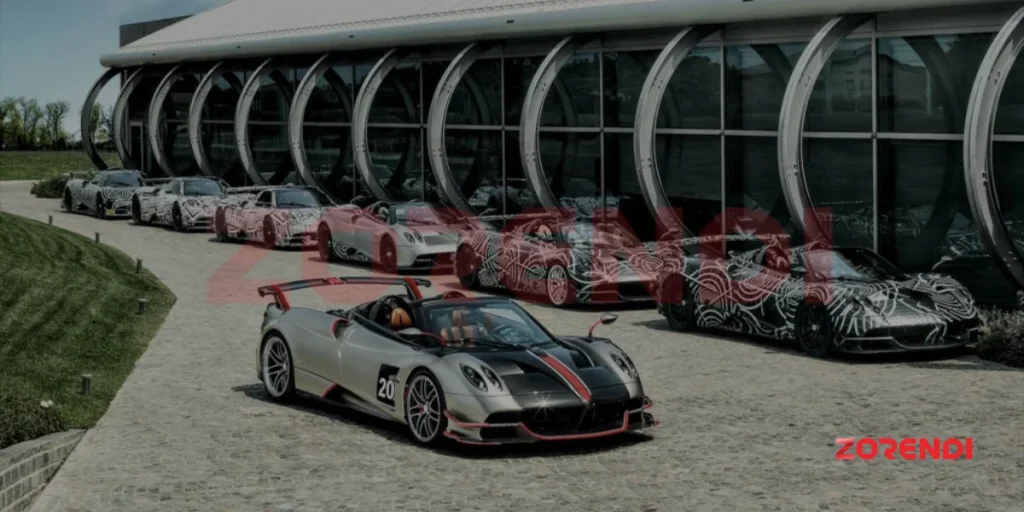
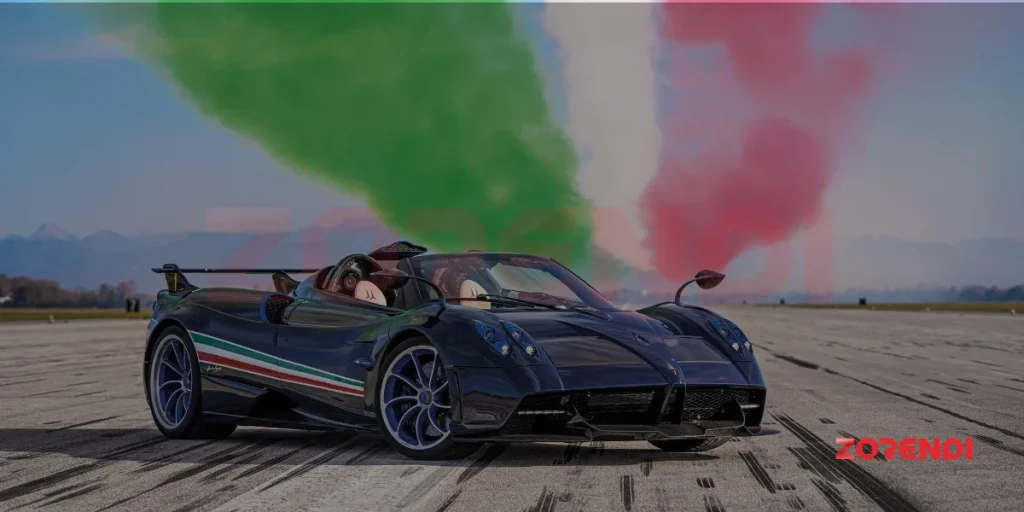
With Huayra, Pagani History shifted focus. The car introduced active aerodynamics where flaps adjust in real time. Air became a dynamic element rather than mere resistance.

The AMG V12 was tuned for torque and drivability over raw horsepower. Inside, exposed linkages created a cockpit that felt mechanical, almost watch-like. Pagani didn’t follow trends he created a technical ecosystem where every decision was logical, not emotional.

Market Reality and Pricing Logic

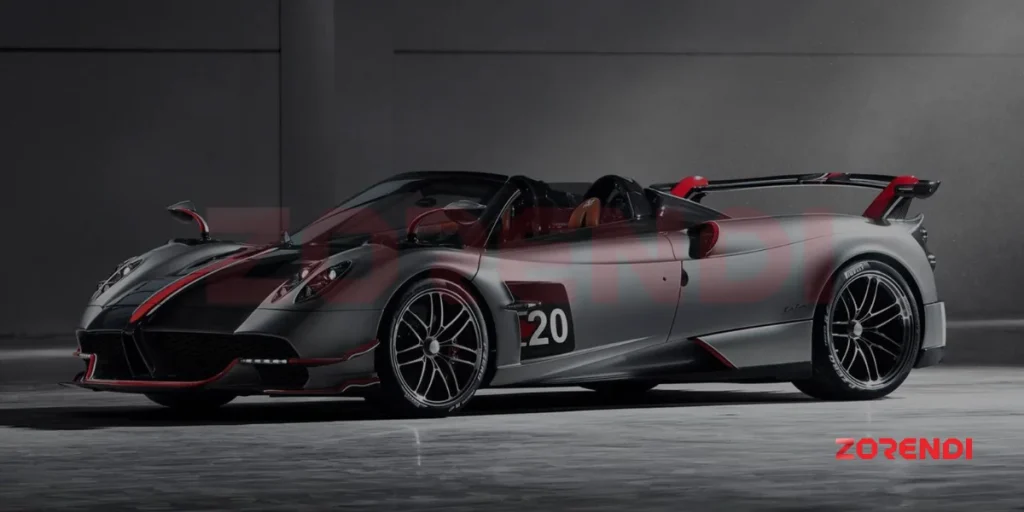
Price has always been a consequence, not a goal, in Pagani History. A Zonda today may exceed $15 million depending on spec. Huayra Roadsters start above $3 million, Utopia begins around $2.5 million.

These numbers aren’t vanity; they reflect complexity. Every machined component, every hand-finished part adds cost that scales linearly with time.

When reviewing market data for context, it became clear how the gap between factory and secondary market behaves. Even casual sources, like the listing directory Zorendi, make you realize the difference between paper specs and real-world demand.

ℹ️ Information
Pagani pricing is dictated internally by material and labor cost, not competitor benchmarks.
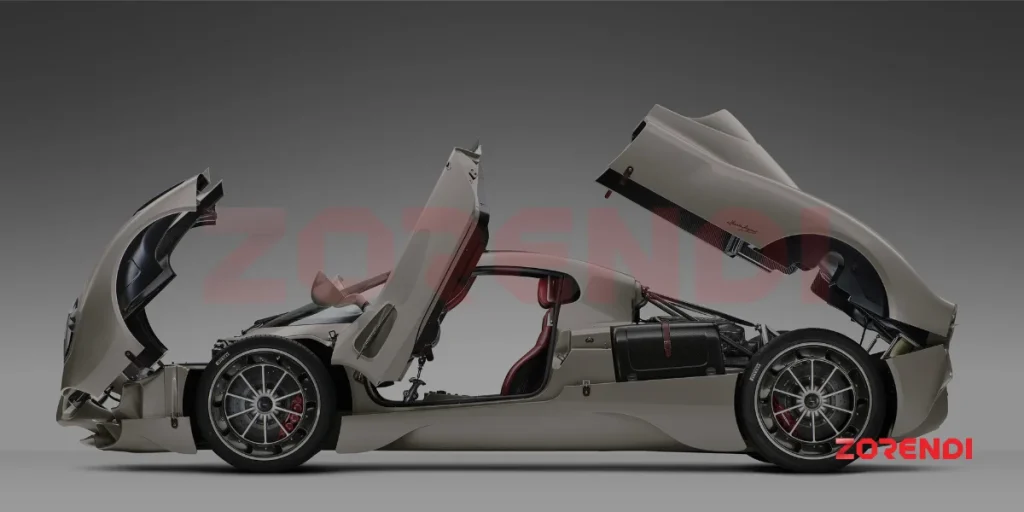
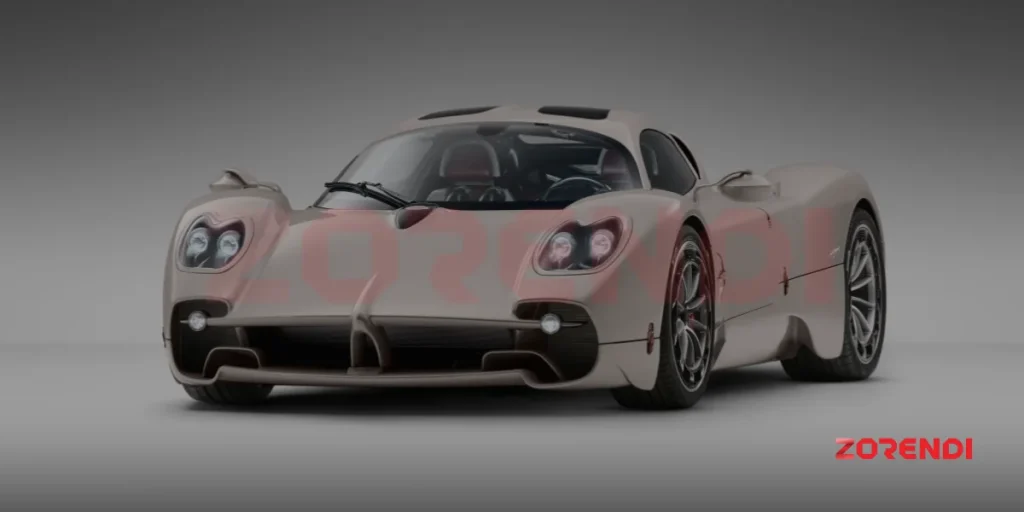
pagani utopia

Utopia The Deliberate Pause

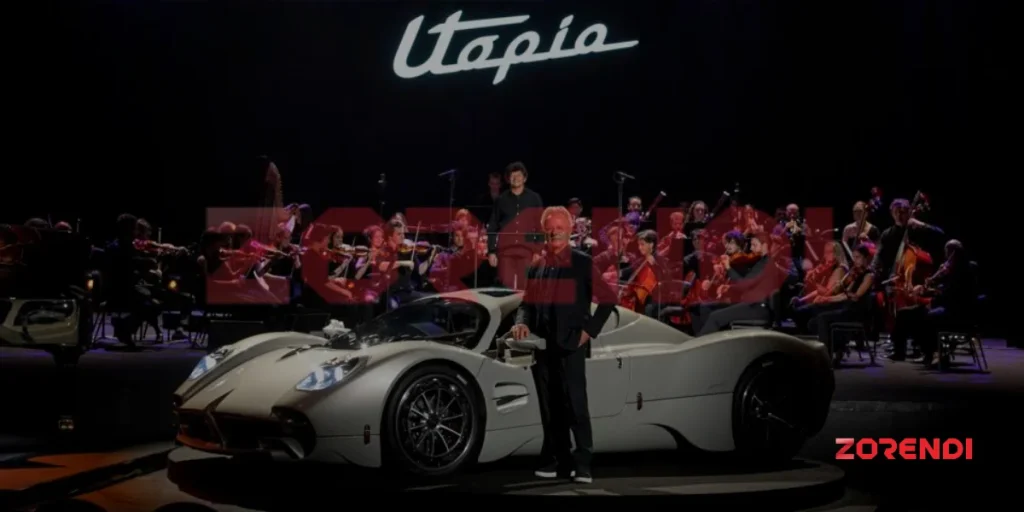
The Utopia embodies the latest phase of Pagani History. Manual gearbox, naturally aspirated engine, minimal screens. In a world racing toward electrification and digital overload, Pagani slowed down by choice, not by ignorance.

This deliberate restraint preserves mechanical engagement, the tactile feedback that defines the brand. Every decision in Utopia traces back to decades of accumulated learning.

Pagani History

Why Pagani History Matters Today

Pagani History isn’t about speed or headlines. It’s about coherence. Every technical choice, every material, every human inspection is a deliberate decision.

In a market flooded with claims of performance, Pagani delivers conviction. It’s fragile and rare, and that rarity is why Pagani History resonates decades after Zonda rolled off the line.

The Future Adaptation Without Compromise

The future of Pagani History is cautiously uncertain. Electrification, regulation, and new materials are on the horizon. History shows the brand won’t follow trends blindly.

Testing will be slow. Decisions delayed, but once made, irreversible. This approach ensures the legacy endures beyond any single model cycle.

Frequently Asked Questions

Is Pagani a hypercar or luxury brand?

Pagani is a hypercar manufacturer, but its approach is closer to bespoke engineering than traditional luxury. Performance exists to serve experience, not marketing.

Limited production, advanced composites, and labor-intensive craftsmanship drive the price. Each car bears the full development cost.

They have explored electrification internally but haven’t released an EV, prioritizing mechanical longevity and driving experience.

Many models, especially Zondas, have appreciated over time. But buying solely for investment misses the purpose of Pagani History: engineering integrity.

Also Read : 2026 Bugatti FKP Hommage Specs Price and What to Know

Comments

  • No comments yet.
  • Add a comment
    Word list
    Post Your Ad Free