
New BMW Logo Sparks Debate Over BMW Brand Identity
- Car Blog
-
Feb 01
-
10 min read
- Share post
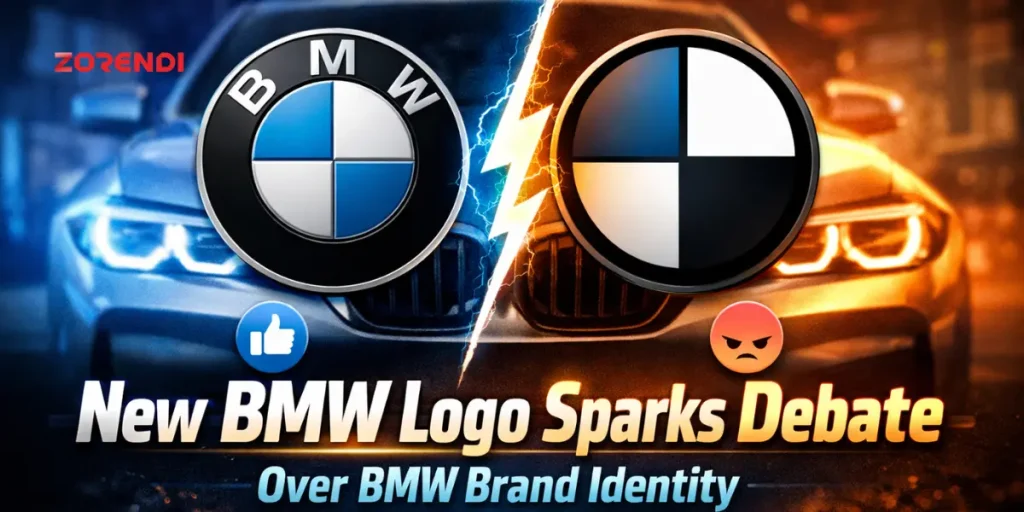
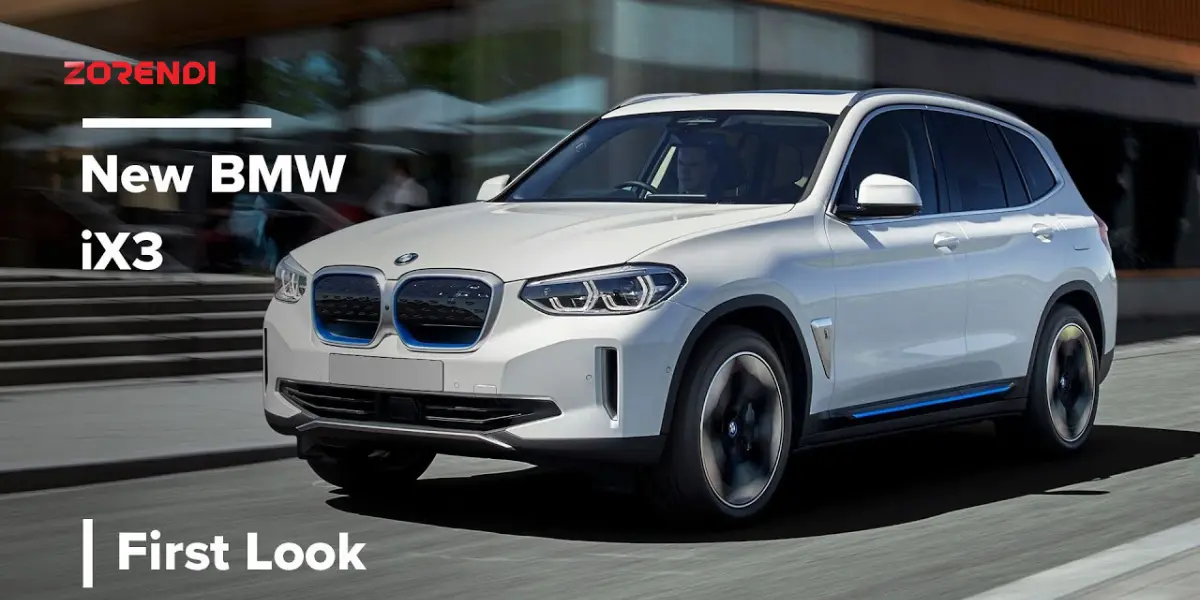
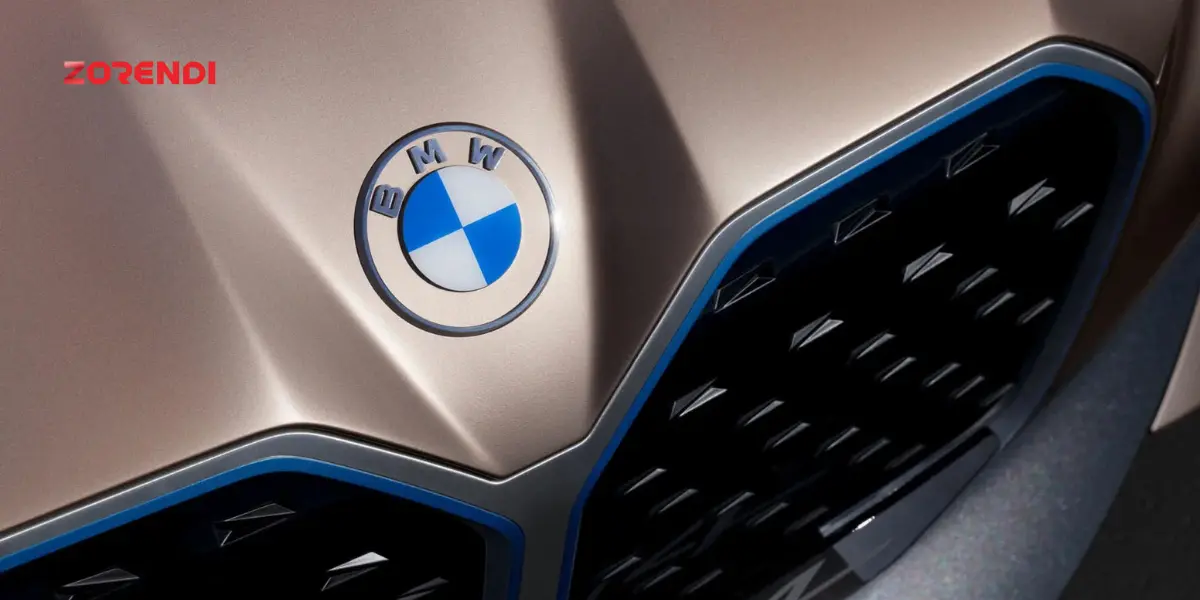
In late 2025 BMW quietly introduced the New BMW Logo on the production iX3, the first Neue Klasse vehicle. The emblem keeps the familiar roundel but removes the inner chrome ring that once separated the blue-white quadrants from the black surround. The outer black ring now carries a satin matte finish instead of high gloss. This change creates a flatter, cleaner appearance that matches the digital flat logo BMW adopted in 2020 for websites and apps. Physical badges on cars built from February 2026 onward all receive this version, regardless of powertrain type. The update eliminates any special light-blue ring previously reserved for EVs and plug-ins. Early customer deliveries of the iX3 already show the revised roundel with slightly refined proportions and richer blue tones. The goal is complete visual unity across the entire lineup.
New BMW Logo — measurable changes that drive BMW brand identity debate
This infographic summarizes what actually changed in the New BMW Logo (physical roundel) and why it matters for visibility, perceived premium feel, and even listing language like BMW for sale and buy BMW in 2026 model years.
Change intensity index (0–100)
What readers argue about
Main criticism theme
“Less premium”
Matte + fewer chrome layers reduce the “3D luxury shine” older fans expect from the roundel.
Main positive theme
“Cleaner + modern”
Better alignment with BMW’s digital logo and the minimalist direction of Neue Klasse.
Buying impact statement
Low
Most buyers still decide based on performance, tech, and range — but listings highlight the badge for freshness: “2026 build, new roundel”.
Key Differences from the Old Logo
Old physical logo (1997 onward) used prominent chrome inner ring and high-gloss black surround for strong 3D shine. New BMW Logo drops that inner chrome entirely and switches black to satin matte, reducing reflections. Blue-white quadrants gain direct contact with black, making colors feel more integrated. Overall depth looks flatter while keeping subtle ridges for touch feel. Chrome accents are toned down across the board. The update eliminates any EV-specific light-blue outer ring variations. Lettering edges crisp up marginally for better definition at distance. Changes prioritize legibility under modern LED lights and digital screens over traditional luxury gloss.
Old vs New Logo Comparison Table
Old Logo (pre-2026) featured thick chrome separations, glossy black ring, and pronounced bevels for depth. New BMW Logo removes inner chrome, adopts matte black, and simplifies to cleaner lines. Previous version emphasized shine; current favors precision and low glare. Blue saturation appears richer without chrome dilution. Mounting uses three alignment pins that may need modification for retrofits on older cars. Both keep 82mm diameter and classic quadrant layout. Shift feels evolutionary, matching Neue Klasse styling on iX3 and beyond.BMW for sale now includes the refresh on latest production.
| Feature | Old Logo (1997–2025) | New BMW Logo (2025+) |
|---|---|---|
| Inner Chrome Ring | Present (separates sections) | Completely removed |
| Black Surround Finish | Glossy chrome | Satin matte |
| Blue/White Quadrants | Divided by chrome ring and bars | Direct contact with black ring |
| Chrome Dividing Bars | Horizontal/vertical bars in quadrants | Removed |
| Overall Depth/Appearance | Pronounced 3D shine and bevels | Flatter, more precise |
| EV-Specific Variation | Light-blue outer ring on some models | None – fully unified |
| Lettering Style | Standard thickness | Slimmer, sharper edges |
| Glare/Reflection | High under light | Significantly reduced |
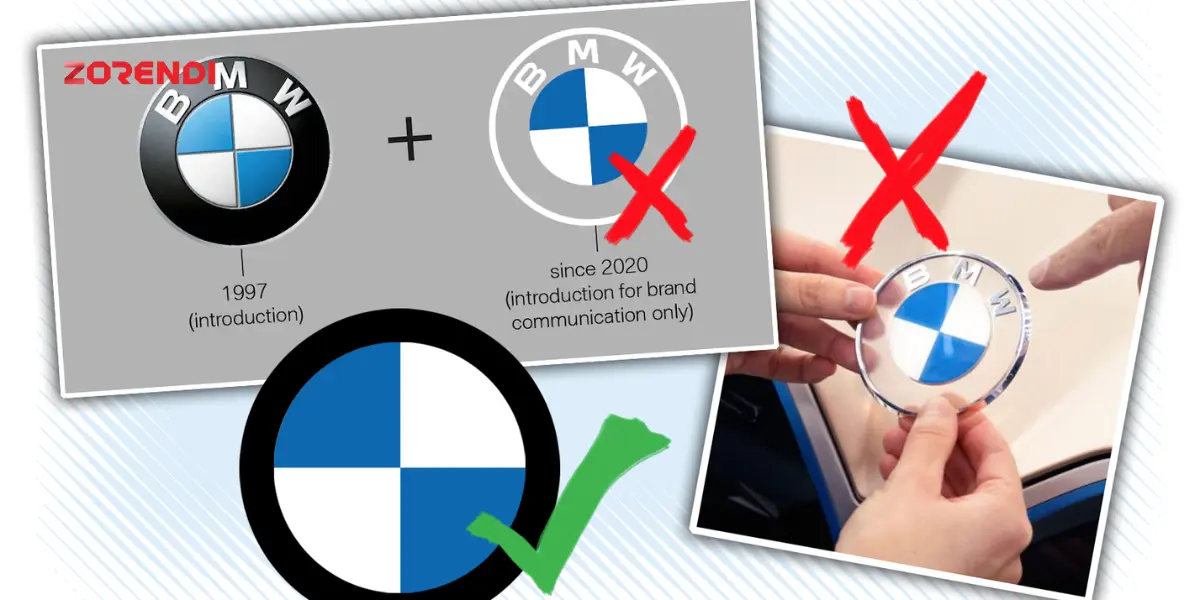
Old vs New BMW Logo — what changed, what stayed
A clean comparison you can drop into your article. It helps readers understand why the New BMW Logo triggers a BMW brand identity debate, and how sellers phrase it in listings like BMW for sale.
Old logo (pre-2026 physical badge)
1997–2025 era lookNew BMW Logo (2026 production rollout)
Neue Klasse directionWhy BMW Updated the Logo in 2026
BMW introduced the change with the iX3 as the first Neue Klasse production model. Design leadership wanted one uniform badge across all powertrains no more separate EV rings. Matte finish reduces glare in daylight and matches minimalist trends. It bridges physical emblems to digital assets used since 2020. Production simplifies with fewer chrome layers. Rollout from February 2026 standardizes it on every new build, including M models with parallel badge tweaks. The refresh reinforces EVs as core BMW rather than a side branch. Subtle nature avoids backlash while signaling fresh design era.
Main Criticisms of the New BMW Logo
Enthusiasts often say matte black and no inner chrome make it look less premium. Glossy shine gave the old roundel noticeable luxury depth. Some call the New BMW Logo flatter and cheaper-looking on forums. Debate questions if subtle tweaks were worth risking brand heritage. Early iX3 photos fueled arguments that the old version was already iconic. A few worry it reduces distinction among German luxury badges. Most criticism centers on lost 3D presence rather than major redesign flaws.
Who Likes the New BMW Logo?
Designers and modern owners praise the cleaner, contemporary feel. Reduced glare improves visibility in bright conditions. It fits Neue Klasse sharp lines and efficient aesthetic perfectly. Supporters see confident restraint instead of unnecessary flash. Digital match between badge and apps/screens appeals to younger buyers. Many view it as smart unification across combustion and electric models. Professional commentary calls it low-risk refinement that keeps recognizability intact.
How the BMW Roundel Has Changed Over Time?
Roundel started October 1917 with gold borders and Bavarian flag quadrants inverted for trademark. 1933 emphasized metallic details more. 1953–1963 refined proportions for production. 1997 brought raised 3D gloss version still common until now. 2020 flat digital variant dropped black ring for online. New BMW Logo brings physical badges closer to 2020 flat style via matte finish and chrome removal. Every major update stayed subtle to preserve instant recognition.
BMW roundel timeline — subtle evolution, big discussion
A compact history that explains why the New BMW Logo feels “small” in change but “big” in perception. Useful context for readers deciding to buy BMW or browsing BMW for sale listings in 2026.
First roundel identity
Core structure established: circular badge + strong brand recognition. BMW keeps continuity to protect instant recall.
Raised gloss badge becomes the standard look
High-gloss black surround + chrome separation produce the “premium shine” many fans associate with classic BMW styling.
Flat digital assets normalize minimalist branding
Online logos move flatter and cleaner. The debate starts: digital clarity vs. physical premium depth.
Debut on 2026 iX3 (Neue Klasse direction)
The New BMW Logo appears on the 2026 iX3 as a “low-risk refinement” aligned with Neue Klasse design language.
Unified badge across all powertrains
Chrome inner ring removed, matte black reduces glare, and the physical badge matches the digital identity more tightly — affecting how new listings describe “latest build”.
Does the Logo Change Hurt Brand Image?
Core roundel elements remain unchanged so recognition stays very high. Update nudges perception toward modern precision over heavy luxury shine. Younger buyers respond well to cleaner design tying into electrification. Traditional fans may prefer old gloss but most see no real damage. Consistent badge across models strengthens overall identity. Early feedback shows stability with slight gains in contemporary associations. Long-term it supports thoughtful evolution narrative.
Impact on BMW Sales and Buying
New BMW Logo unlikely to sway purchases much due to subtlety. Buyers focus on range, tech, performance over badge finish. Neue Klasse models like iX3 already see strong demand regardless. Unified branding may streamline marketing slightly. Cars for sale with updated emblem show normal turnover rates. Change too minor to become deal-breaker or driver. February 2026 builds feature it prominently in listings.
New BMW Logo — interactive reader map (critics vs supporters vs buyers)
Tap each tab to show the angle your reader cares about: criticism (“less premium”), design praise (“clean + modern”), and practical buying context (“will it affect people who buy BMW?”). Great for dwell time and engagement.
Key questions
Why do some fans call it “cheap”?
Because removing the inner chrome ring and switching to satin matte reduces the 3D “luxury shine” the old badge had. It’s more minimal, less reflective.
Why do designers like the New BMW Logo?
Cleaner geometry, lower glare under modern LED lighting, and stronger alignment with BMW’s flat digital identity used since 2020 — perfect for Neue Klasse design language.
Will the logo change affect resale or demand?
Usually not directly. Buyers still prioritize performance, tech, range and trim. But “2026 build with new roundel” becomes a freshness signal in BMW for sale listings.
What’s the professional consensus?
Mostly “low-risk refinement.” It modernizes without damaging recognition — a careful step into the Neue Klasse era rather than a full rebrand.
Practical takeaways
What do critics miss the most?
They miss the prominent chrome separation and glossy depth that made the roundel feel “premium” from a distance—especially on darker paint in direct sun.
What’s the strongest pro-argument?
Unified branding across all powertrains (no EV-specific rings) and better digital/physical consistency, which strengthens BMW brand identity in 2026+
How to write listings to match search intent?
Use: “New BMW Logo”, “Neue Klasse”, “2026 iX3”, plus intent phrases like “buy BMW” and “BMW for sale”. Keep it factual, not hype.
Why now, in 2026?
Because Neue Klasse pushes minimal surfaces and precision. The matte badge reduces glare and visual noise, and simplifies production with fewer chrome layers.
How It Fits Neue Klasse Models?
Neue Klasse stresses minimal surfaces and precision. New BMW Logo matches by cutting chrome distractions and using matte textures. Flatter look complements slim lights, flush handles, clean panels on iX3. No powertrain badges reinforce electrification as mainstream. Satin black blends with dark grilles better. Cockpit graphics align exactly with physical roundel for cohesion. Designers tied badge to overall Neue Klasse language.
ALSO READ: Top 10 Most Expensive Yachts in the World 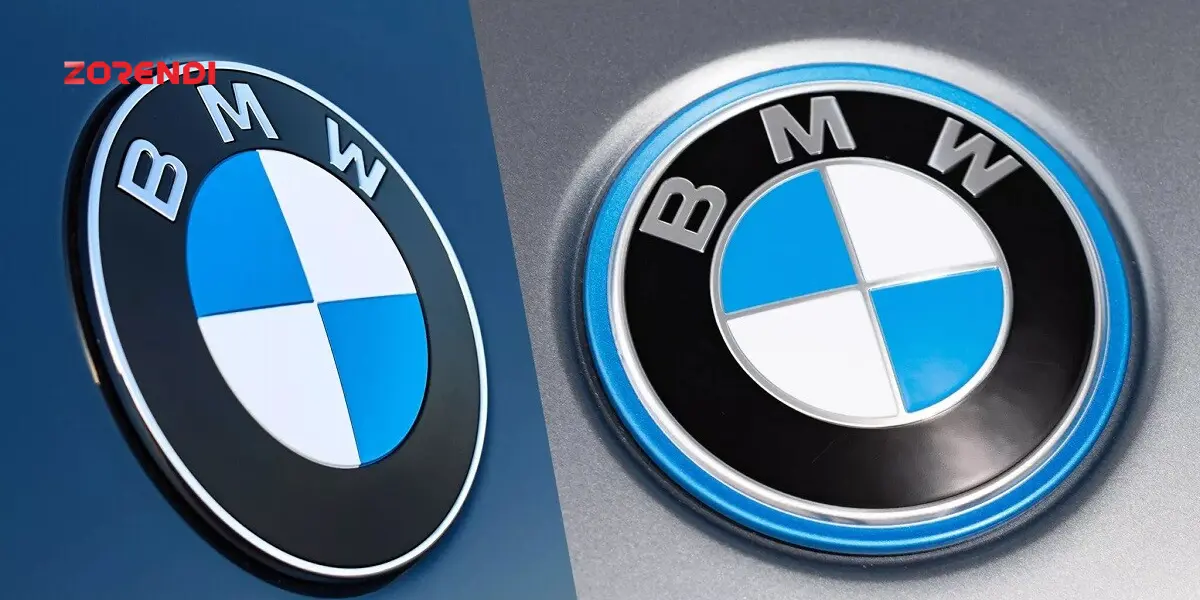
Future of the New BMW Logo
Journalists describe it as sensible subtle refinement. Outlets praise avoiding drastic overhaul of icon. Analysts note low-risk modernization for Neue Klasse era. Commentators highlight better real-world visibility. Some still see no need for change. Overall professional view leans positive or neutral. Seen as mature handling of brand symbol.
BMW applies updated roundel to all new cars and facelifts from February 2026 onward. M badges get matching refinements same period. No plans for reversal or big further changes soon. Consistency across physical, digital, marketing stays focus. Should remain standard through late 2020s at least. Special editions might vary finishes but core stays uniform.
