If you want to know which cars really define Dubai, the answer is broader than supercars parked outside luxury hotels. The Toyota Land Cruiser and Nissan Patrol are just as much a part of the city as the Lamborghini Huracán, Rolls-Royce Cullinan, Bentley Continental GT, Mercedes-AMG G 63 and Tesla Model S. Dubai’s car culture mixes serious off-road capability, extreme luxury, performance and practical everyday ownership in a way few other cities do.
That also means there is no single “Dubai car.” A buyer looking for a car for sale in Dubai could realistically be comparing a family SUV, a V10 supercar and a luxury saloon in the same week. What matters is understanding why each of these cars became popular here and whether the current version still makes sense for UAE buyers.
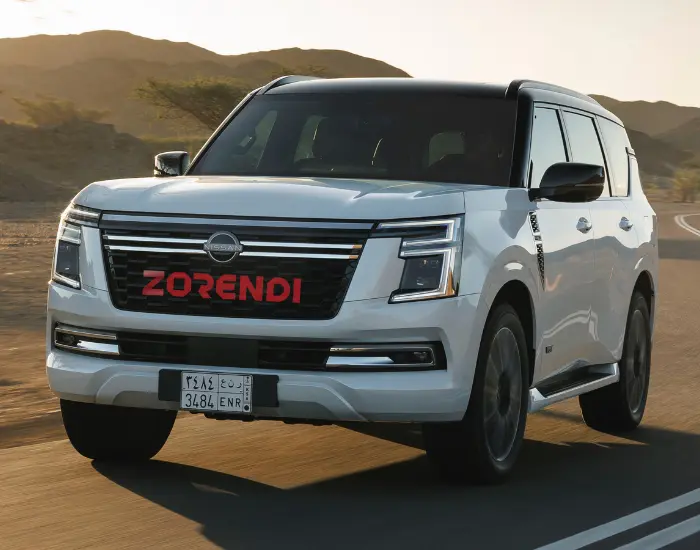
The Toyota Land Cruiser and Nissan Patrol are probably the easiest place to start because they fit Dubai better than almost anything else. Both can handle long highway trips, seven-seat family duties and proper desert driving, while still being comfortable enough for daily use. Their popularity also means buyers usually have plenty of choice in the new and used market.
The 2026 Land Cruiser in the UAE is no longer simply the big V8 many buyers still associate with the name. Toyota currently sells a 4.0-litre V6 with 271 hp and a stronger 3.5-litre twin-turbo V6 producing 409 hp and 650 Nm. The twin-turbo version uses a 10-speed automatic and four-wheel drive, while Toyota lists the 2026 Land Cruiser range from AED 239,900 and the 3.5-litre model from AED 335,900.
The Patrol has changed just as much. Nissan Dubai lists the current Patrol from AED 239,900 including VAT, with the range starting with a 3.8-litre V6 producing 316 hp. Higher LE versions use a 3.5-litre twin-turbo V6 with 425 hp and 700 Nm, paired with a nine-speed automatic and four-wheel drive.
So which one makes more sense? The Land Cruiser remains the straightforward choice for buyers who put long-term ownership, resale demand and proven off-road ability high on the list. The Patrol feels more focused on combining that same large-SUV capability with a more feature-heavy cabin and, in twin-turbo form, slightly more output. Neither is a bad fit for Dubai. The decision is mostly about what kind of ownership experience you prefer.

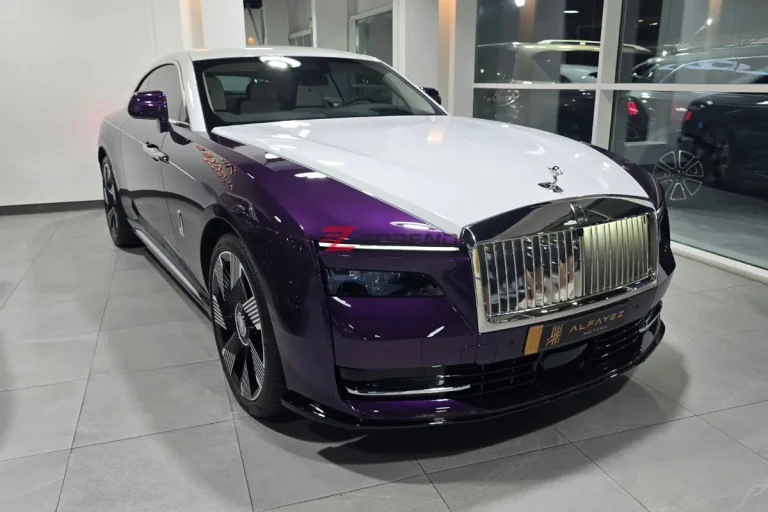
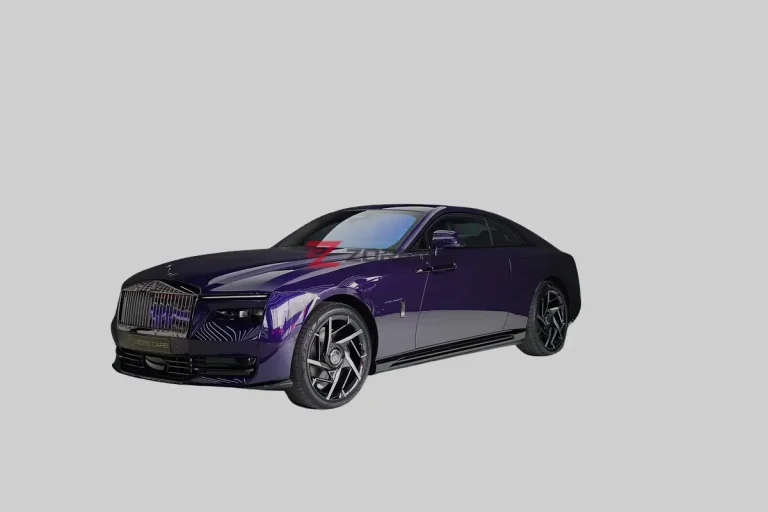
Rolls-Royce occupies a different part of the market. A Phantom or Cullinan is not bought because it wins a value-for-money comparison. Buyers are paying for the level of customisation, materials, ride quality and presence that comes with the brand, and Dubai has exactly the kind of luxury-car market where those differences matter.
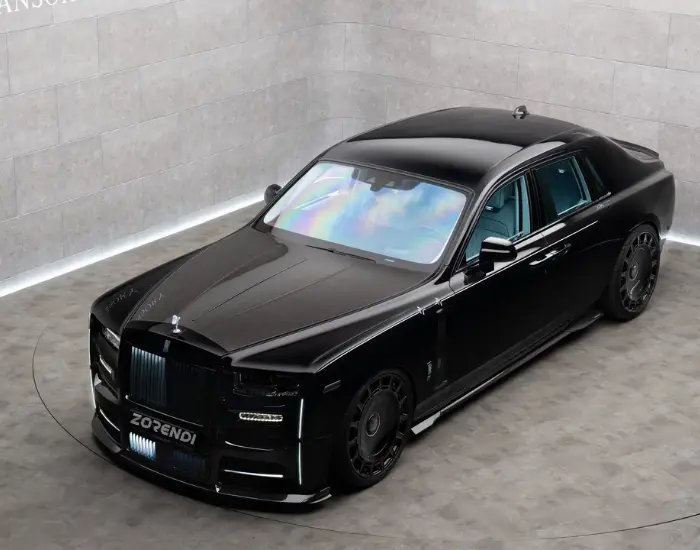
The Phantom remains Rolls-Royce’s flagship saloon, with the current eighth-generation Phantom Series II continuing as the brand’s traditional limousine-style offering. The big point for a UAE buyer is that Rolls-Royce does not publish a simple universal retail price. The company says pricing depends on the specification of the individual commission and directs customers to authorised dealers for an exact figure.
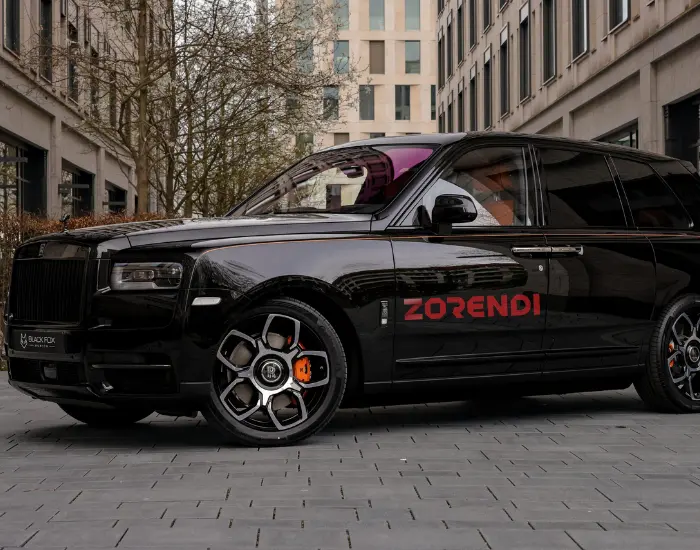
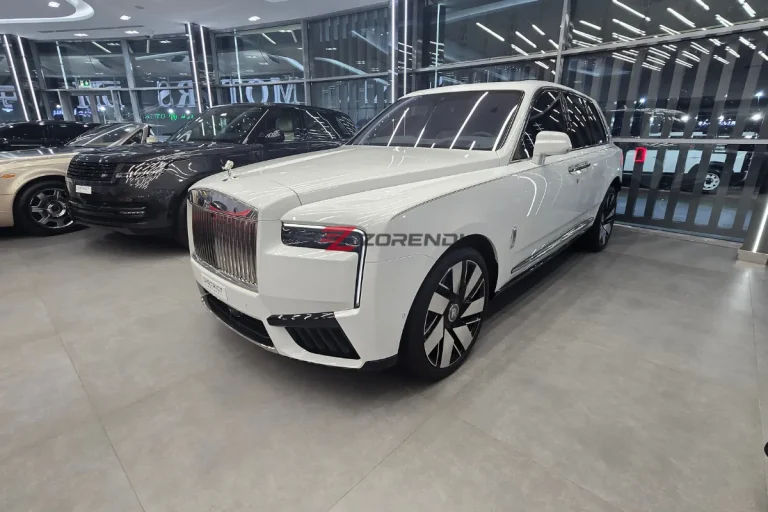
The Cullinan is the more practical Dubai choice. Cullinan Series II keeps the 6.75-litre V12 formula but updates the exterior, cabin and digital interface. The latest version adds the SPIRIT operating system, revised displays and new personalisation options, while the current Black Badge Cullinan Series II produces 600 PS and 900 Nm.
That extra practicality explains why a Rolls Royce for sale in Dubai is often a Cullinan rather than a Phantom. It has all-wheel drive, an SUV body and the ground clearance to deal with situations a Phantom owner would simply avoid.
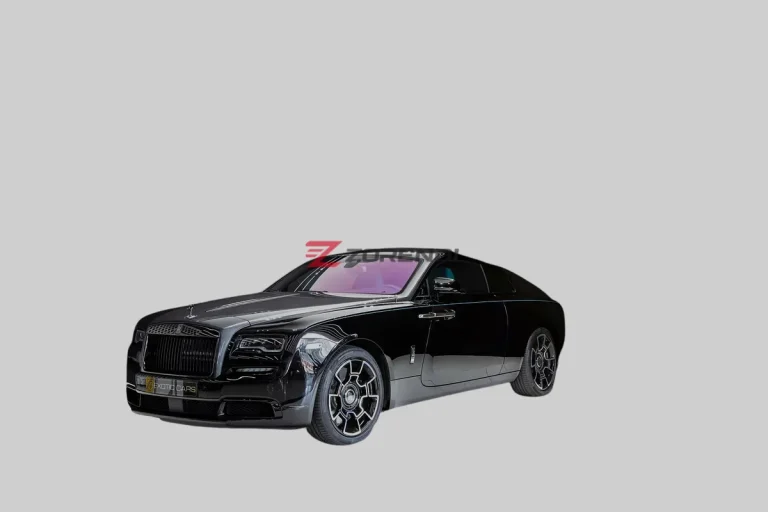
The Rolls-Royce Dawn from the original generation of this market still matters too, especially in Dubai’s used and collector scene. It is no longer part of the current Rolls-Royce showroom range, so anyone shopping for a Dawn is buying used. That makes condition, service history, specification and provenance far more important than comparing an old advertised price with the cost of a new Rolls-Royce.


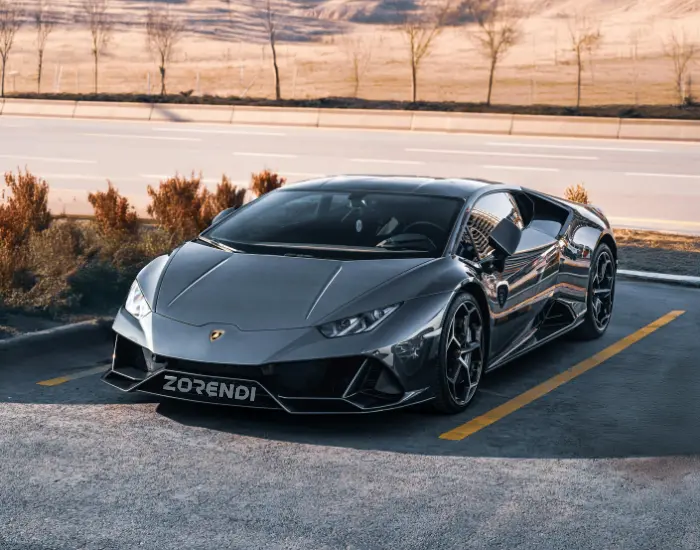
Lamborghini is the obvious answer when someone thinks of Dubai supercars, but the interesting part in 2026 is how much the range has changed. The Huracán still has huge recognition on the used market, while new Lamborghini buyers now have electrified models such as the Revuelto and Urus SE.
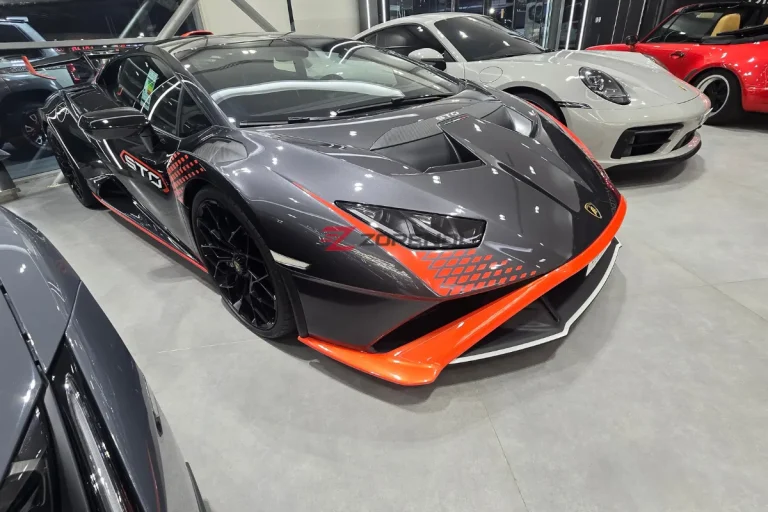
The Huracán Tecnica is a good reference point for why the Huracán became so desirable. Its naturally aspirated 5.2-litre V10 produces 640 CV and 565 Nm, with Lamborghini quoting 0 to 100 km/h in 3.2 seconds and a 325 km/h top speed. No hybrid assistance, no turbochargers. That simplicity is part of the reason late Huracán models remain interesting even after production moved on.
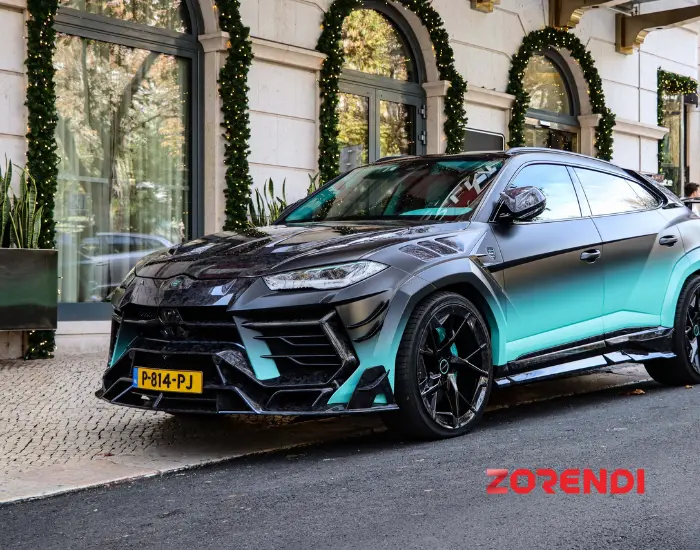
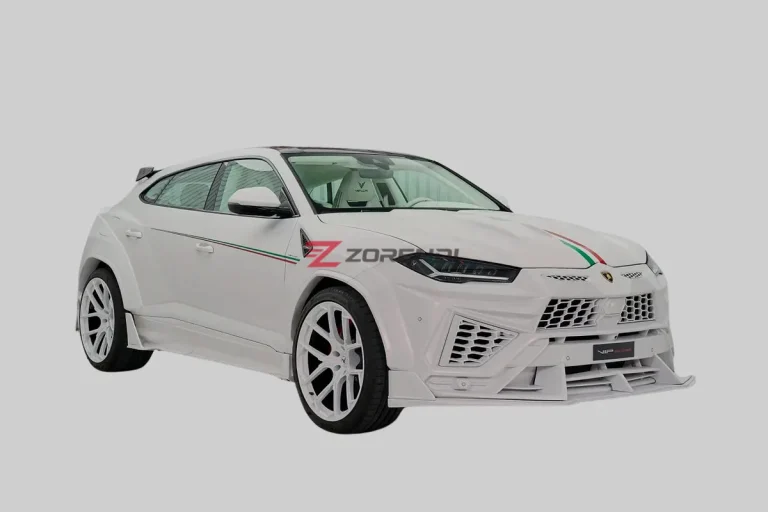
If you need one Lamborghini to use every day in Dubai, though, the Urus is much easier to justify. The current Urus SE combines a 4.0-litre twin-turbo V8 with an electric motor for 800 CV. Lamborghini quotes 0 to 100 km/h in 3.4 seconds and a 312 km/h top speed, which is absurdly quick for something that still gives you an SUV body and usable rear seats.
That is why buyers searching for a Lamborghini for sale in Dubai should separate the emotional choice from the practical one. A Huracán is the more focused sports car. The Urus is the Lamborghini you can realistically use for school runs, airport trips and longer UAE journeys without planning your day around the car.
Then there is the Revuelto. It keeps a naturally aspirated V12 but adds three electric motors, with Lamborghini quoting a combined 1,015 CV and 0 to 100 km/h in around 2.5 seconds. That makes it the more relevant new-car reference for buyers who previously would have looked at an Aventador.


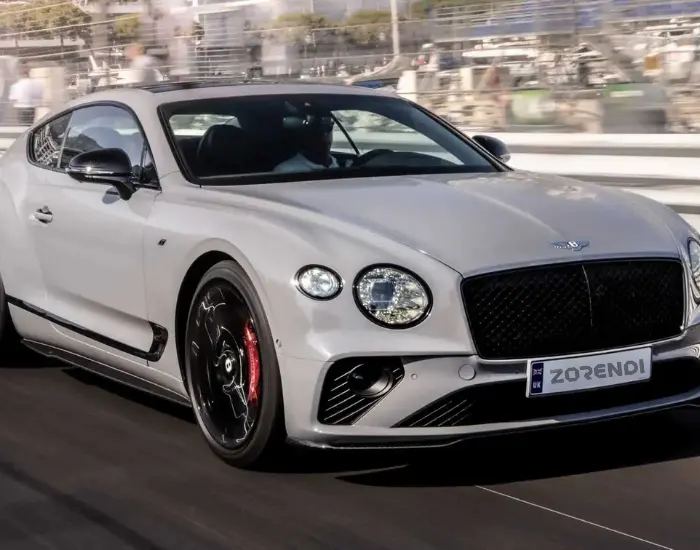
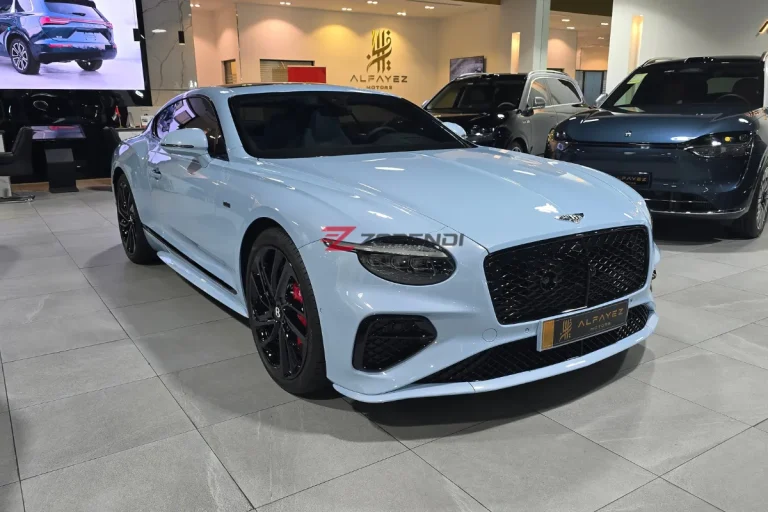
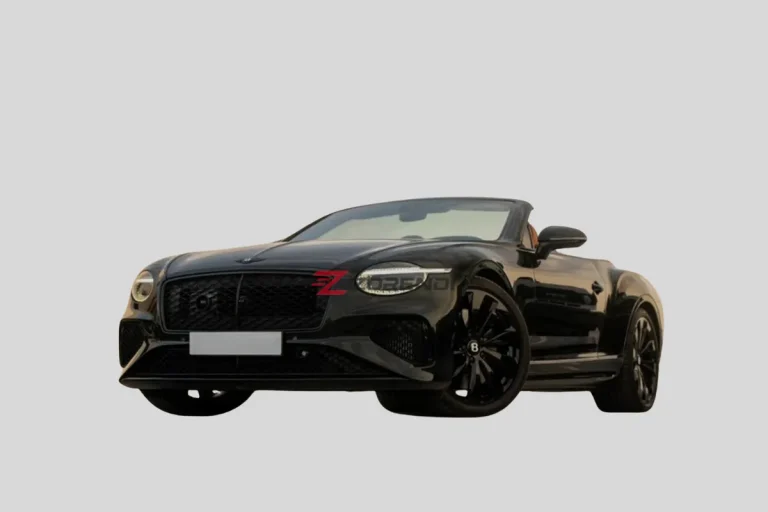
Bentley sits in a useful middle ground between a traditional luxury car and something genuinely fast. The Continental GT is still built for covering long distances comfortably, while the Bentayga gives buyers the same basic brand experience in a much more practical SUV package.
The biggest change is under the bonnet. The current Continental GT is no longer defined by the old 6.0-litre W12. The standard current car uses Bentley’s High Performance Hybrid system, pairing a 4.0-litre turbocharged V8 with an electric motor for a combined 680 PS and 930 Nm. Bentley quotes 0 to 100 km/h in 3.7 seconds and a 270 km/h top speed for this version.
Go further up the Continental GT family and output rises substantially. Bentley says the latest-generation range can deliver as much as 782 PS and 1,000 Nm in its Ultra Performance Hybrid specification. This is why using the old W12 figures for every Continental GT no longer makes sense when discussing the current market.
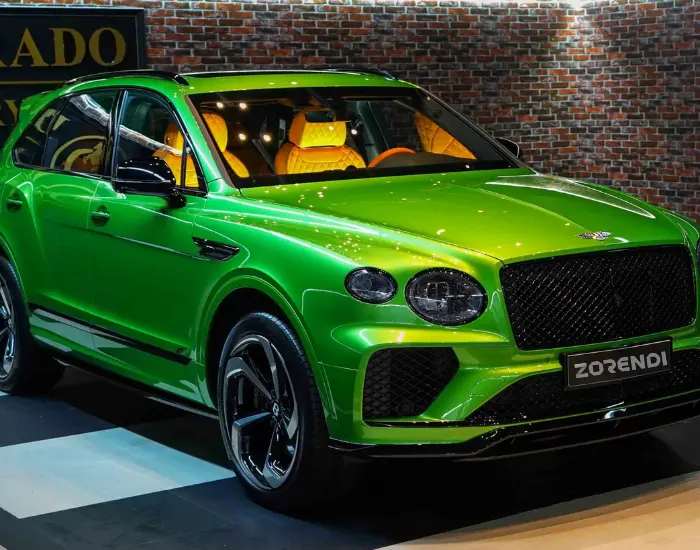
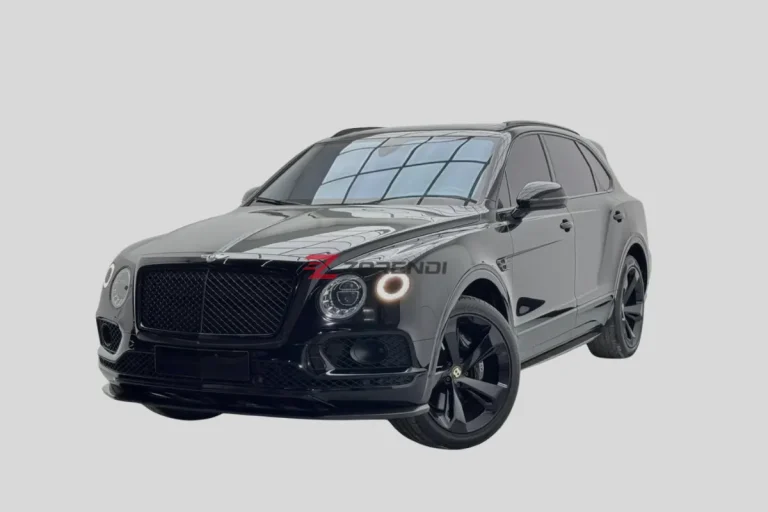
The Bentayga remains the more obvious choice for families and buyers who want more cabin and luggage space. The latest Bentayga Speed uses a 4.0-litre twin-turbo V8 producing 650 PS and 850 Nm, reaching 100 km/h in a claimed 3.6 seconds.
For someone looking at a Bentley for sale in Dubai, the choice is fairly clear. Buy the Continental GT if two-door grand touring is the priority. Pick the Bentayga if the car has to work as an everyday luxury SUV without giving up serious performance.
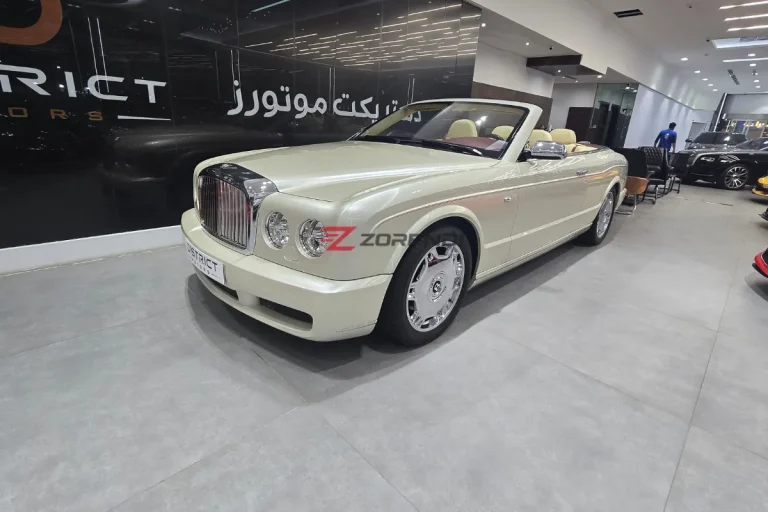
Older cars such as the Bentley Azure still appear in Dubai’s enthusiast and collector market, but they should be treated very differently from a nearly new Continental GT. Age, hydraulic systems, roof operation, service records and parts history matter far more on a collector-era luxury convertible than a simple mileage figure.


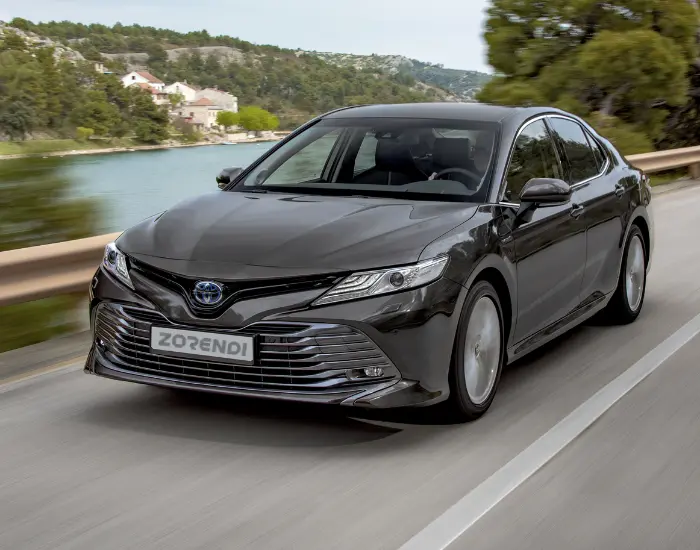
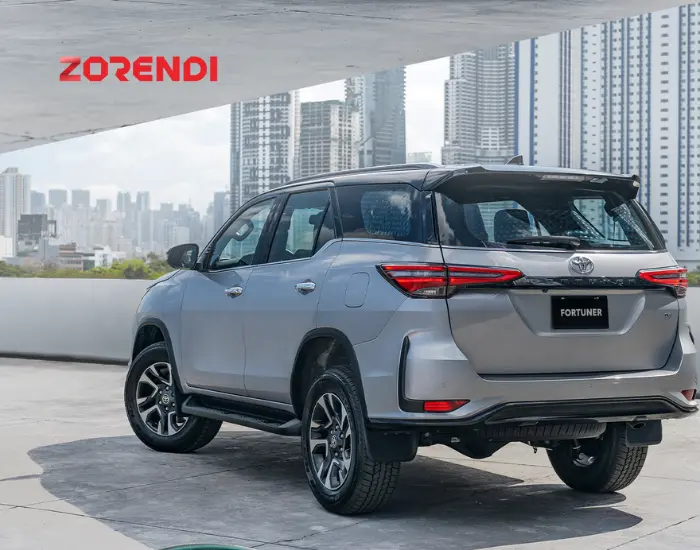
Toyota’s place in Dubai is not limited to the Land Cruiser. The Camry, Corolla and Fortuner are common for a much simpler reason: they make sense. Running costs are easier to manage than exotic cars, parts and servicing are widely available, and there is a large pool of buyers when it is time to sell.
The 2026 Camry starts at AED 122,900 in the UAE. Toyota continues to offer a 2.5-litre four-cylinder petrol version, while a 2.5-litre Camry Hybrid is also available from AED 125,900. Toyota quotes fuel economy of up to 17.1 km/l for the petrol Camry depending on version and conditions, while the hybrid is the obvious option for buyers who spend a lot of time commuting.
The Fortuner is the tougher alternative. The 2026 range starts at AED 128,900 with a 2.7-litre four-cylinder producing 164 hp, six-speed automatic transmission and 4X4. A 4.0-litre V6 with 235 hp is also available from AED 154,900.
For buyers browsing a Toyota for sale in Dubai, the Camry and Fortuner solve completely different problems. The Camry is the sensible commuter and highway car. The Fortuner gives up some of that sedan refinement in exchange for seven-seat practicality, four-wheel drive and much stronger ability away from paved roads.
That is also why Toyota deserves a place in a list of famous Dubai cars alongside Lamborghini and Rolls-Royce. Most people in the city are not shopping for a seven-figure exotic, and the cars that quietly do hundreds of thousands of kilometres across the UAE are just as representative of the local market.


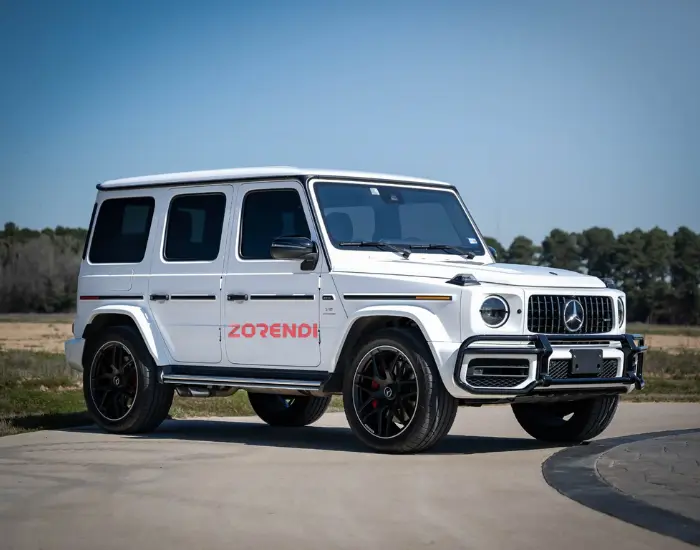
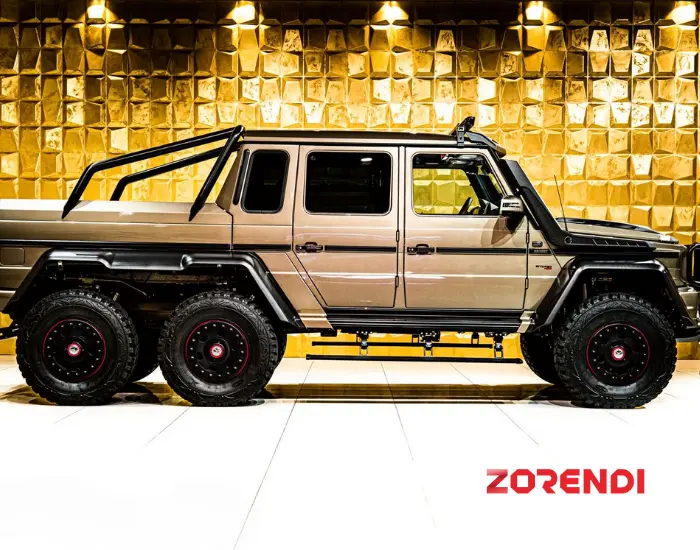
The G-Class is one of those rare vehicles that works as both a fashion statement and a genuine off-roader. Dubai buyers often focus on the Mercedes-AMG G 63, but underneath the leather, large wheels and AMG exhaust is still a ladder-frame vehicle with four-wheel drive, low-range gearing and three selectable differential locks.
The current G 63 uses a 4.0-litre V8 biturbo producing 585 hp and 850 Nm, now assisted by a starter-generator system. Mercedes-AMG quotes 0 to 100 km/h in 4.4 seconds and pairs the engine with a nine-speed AMG transmission.
Price is just as serious as the performance. Mercedes-Benz Dubai currently lists the G 63 from AED 1,049,900 including 5% VAT. At that level, a buyer should spend as much time checking the exact factory specification as the headline price because paint, wheels, carbon packages, interior choices and optional equipment can create large differences between two apparently similar cars.
The G 650 Landaulet mentioned in older Dubai discussions is a completely different proposition. Mercedes-Maybach produced it as a limited special model in 2017, using a V12, portal axles and an electrically operated fabric roof over the rear passenger area. Production was limited to 99 vehicles.
So a G 650 Landaulet should not be compared with a new G 63 as though they are two current trims. The G 63 is a new-car purchase. The G 650 Landaulet is a collector-car purchase where rarity, originality and provenance dominate the buying decision.
Explore More: Mercedes Benz for sale in Dubai


Tesla belongs in this article for a different reason. Dubai’s famous-car market is still heavily associated with V8s, V10s and V12s, but electric cars have become a normal part of the city’s traffic rather than an experiment on the sidelines.
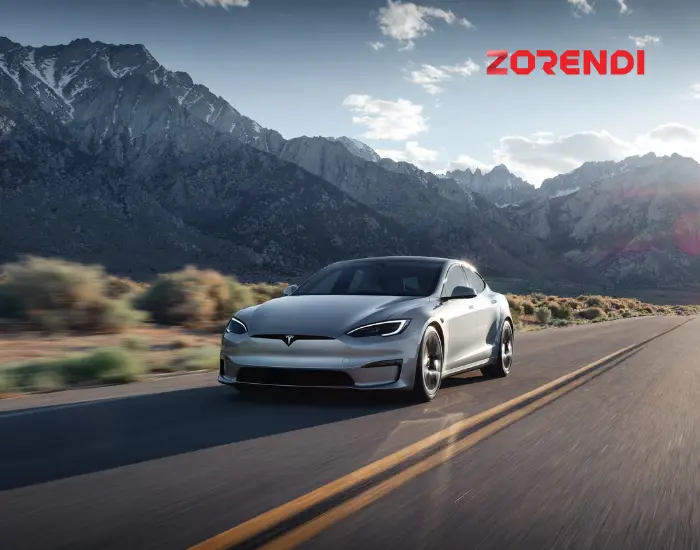
At the extreme end sits the Model S Plaid. Tesla UAE currently lists 1,020 hp, tri-motor all-wheel drive, a WLTP range of 611 km and a claimed 0 to 100 km/h time of 2.1 seconds. Maximum Supercharging power is listed at 250 kW.
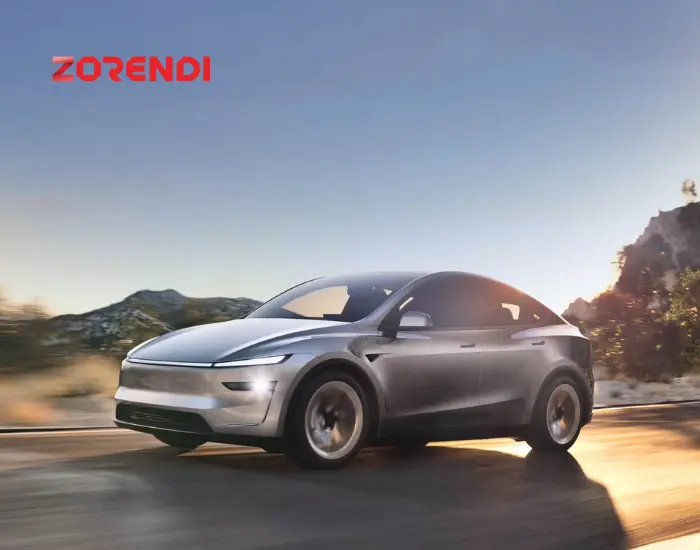
Those figures are impressive, but the Model Y is probably the more relevant Tesla for most UAE buyers. The current Model Y Premium Long Range Rear-Wheel Drive is rated at 603 km WLTP and 0 to 100 km/h in 5.6 seconds. The Long Range AWD version offers 600 km WLTP, while the current Model Y Performance cuts the acceleration time to 3.5 seconds.
Tesla also refreshed the Model Y with changes aimed at comfort rather than just acceleration. The company says the newer model received improved cabin insulation, revised ride characteristics and efficiency changes compared with the earlier version. Those updates matter in Dubai because a quiet cabin and predictable range on long highway journeys are more useful every day than shaving a few tenths from an acceleration run.
One point UAE buyers should understand is driver assistance. Tesla states that Full Self-Driving (Supervised) is not currently available in the United Arab Emirates, so buyers should not assume that features demonstrated in other markets are automatically enabled locally.
The Model X also remains part of Tesla’s Dubai story, particularly for buyers who want the brand’s distinctive Falcon Wing rear doors and six-seat capability. Tesla’s refreshed Plaid powertrain gives the Model X Plaid 1,020 hp and a claimed 0 to 100 km/h time of 2.6 seconds.


Dubai’s most famous cars make more sense when you stop trying to put them into one category. The Land Cruiser and Patrol dominate because they can move a family across the city one day and head into the desert the next. The Rolls-Royce Cullinan and Bentley Bentayga take the large-SUV formula into a completely different price bracket, while Lamborghini and AMG show how much performance buyers here are willing to combine with everyday usability.
The market has also moved on. The current Continental GT is hybrid, Lamborghini’s Urus SE is a plug-in hybrid, Tesla has become established, and the latest Land Cruiser and Patrol rely on turbocharged V6 engines rather than the big V8s that defined their predecessors. Dubai car culture still loves excess, but the technology behind the cars is changing quickly.
That matters when buying used. A famous badge is not enough. Service history, GCC versus imported specification, accident history, warranty status, previous modifications and the quality of maintenance can make two examples of the same model very different purchases.
For everyday ownership, a Camry, Fortuner, Patrol or Land Cruiser is much easier to justify. For buyers who want something that feels unmistakably Dubai, the G 63, Cullinan, Continental GT, Urus and Huracán remain hard to ignore. And if outright acceleration with everyday practicality is the priority, cars such as the Model S Plaid show that the city’s performance-car scene is no longer dependent on petrol alone.
Read More: Drive the Legend: Porsche 911 GT3 R
Some of the cars most closely associated with Dubai are the Toyota Land Cruiser, Nissan Patrol, Rolls-Royce Cullinan, Lamborghini Huracán, Bentley Continental GT, Mercedes-AMG G 63 and Tesla Model S. The mix is unusual because practical SUVs and ultra-luxury cars are both a major part of the local market.
Both suit UAE driving conditions extremely well. They are comfortable enough for daily use, large enough for families and capable enough for desert driving, which makes them far more practical than a typical luxury SUV.
For many buyers, the Cullinan is the easier car to use every day because it combines Rolls-Royce luxury with an SUV body and all-wheel drive. The Phantom remains the more traditional flagship choice, especially for buyers focused on rear-seat comfort and chauffeur-driven use.
The Urus is the practical choice. A Huracán delivers a more focused sports-car experience, but the Urus offers proper rear seats, more luggage space and an SUV driving position while still delivering very high performance.
Yes. The G 63 is heavily associated with luxury and status, but the G-Class still uses serious off-road hardware, including four-wheel drive, low-range gearing and selectable differential locks. It is much more capable away from paved roads than its image might suggest.
The current Continental GT has moved away from the old W12 setup and now uses hybrid V8 powertrains. Buyers looking at older Continental GT models in Dubai can still find W12 versions on the used market.
The Camry makes more sense for commuting, highway driving and lower everyday running costs. The Fortuner is better for buyers who need seven seats, four-wheel drive and more flexibility for desert or rough-road use.
For many drivers, yes. Models such as the Model Y offer strong driving range and practical cabin space, while Tesla's faster models provide performance that rivals many conventional sports cars. Buyers should still check charging access at home or work before deciding.
Service history, accident history, GCC or imported specification, warranty status and previous modifications matter more than the badge alone. For high-performance cars, a proper pre-purchase inspection is especially important because poorly repaired or heavily modified examples can become expensive very quickly.
For most buyers, the Land Cruiser, Patrol or G 63 offer the strongest mix of practicality, road presence and UAE suitability. The right answer changes quickly, though, if performance, luxury or running cost is the main priority.
Zorendi Editorial Team is the editorial team behind Zorendi, covering cars, motorcycles, luxury vehicles, automotive technology, and mobility trends across the UAE and international markets.
Our articles are developed through research, comparison of reliable sources, official manufacturer information, vehicle specifications, and relevant market data. The team focuses on creating clear, practical, and regularly reviewed content to help readers better understand new models, specifications, technologies, ownership considerations, and developments across the automotive industry.
Zorendi Editorial Team aims to present information in a straightforward and useful way, with an emphasis on accuracy, relevance, and providing readers with the context they need when researching vehicles and mobility-related topics.
Word list
×