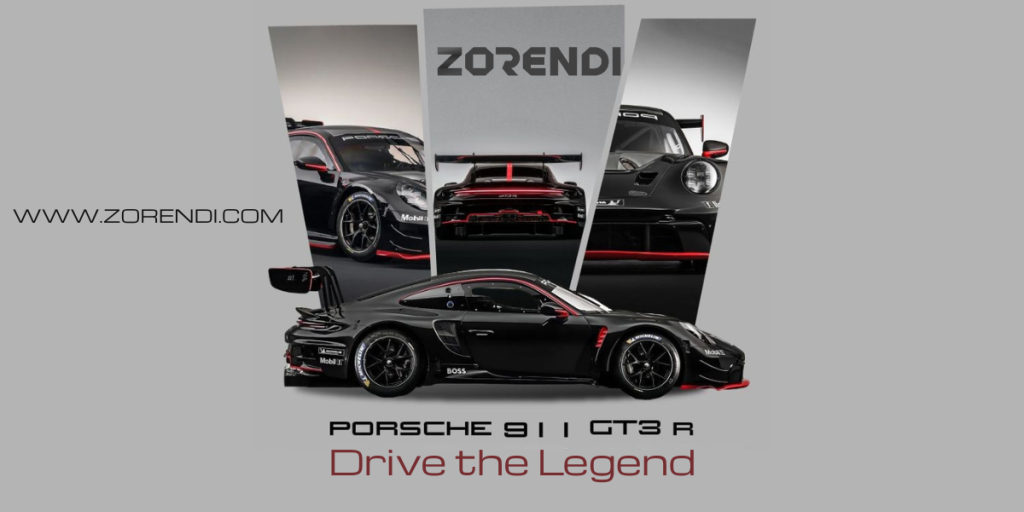
The short answer is that the Porsche 911 GT3 R is a purpose-built race car, not a more extreme road-going 911. The current 992-generation GT3 R is homologated for FIA GT3 competition, uses a naturally aspirated 4.2-litre flat-six producing up to 416 kW or 565 PS depending on Balance of Performance rules, and weighs around 1,265 kg in 2026 specification. A UAE buyer can potentially own and import one, but it should be approached as competition machinery that needs circuit support, transport, maintenance and race preparation rather than as a car to register and drive daily.
That distinction matters because the name can be confusing. The GT3, GT3 RS and GT3 R share Porsche 911 DNA, but they are designed for very different jobs.
No. The GT3 R is not the road-going version of the car.
Porsche defines the 2026 GT3 R as a single-seater customer race car homologated for the FIA GT3 category. It has a welded roll cage, FIA-specification racing seat, six-point harness, racing fuel cell, air-jack system, polycarbonate glazing and a sequential competition gearbox. These are not simply optional track upgrades fitted to a normal 911. They are fundamental parts of the vehicle’s design.
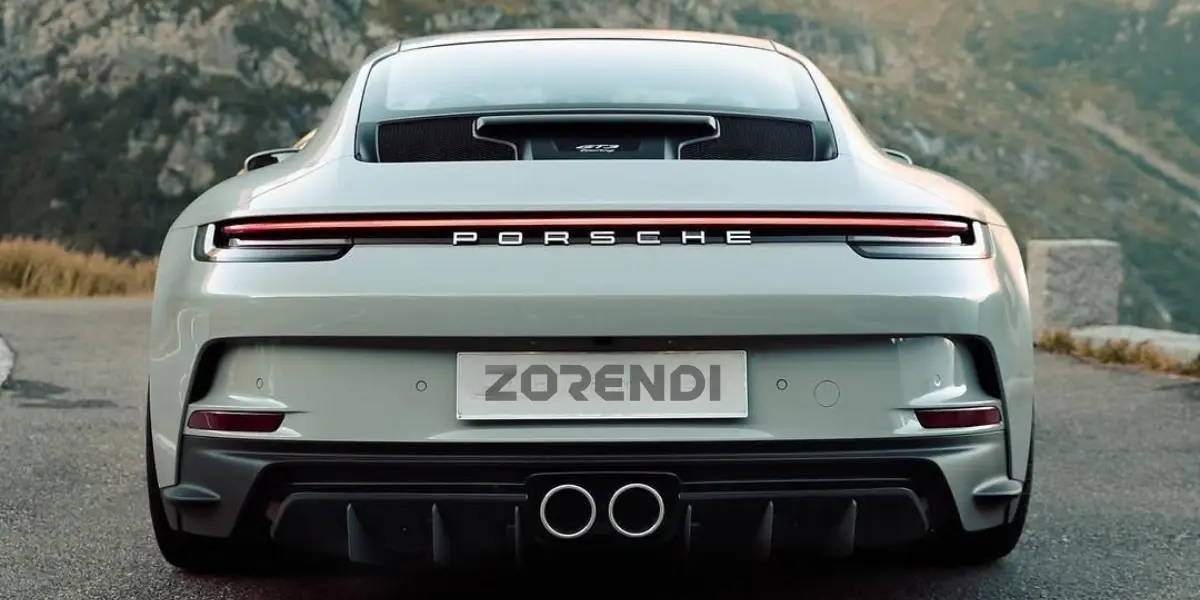
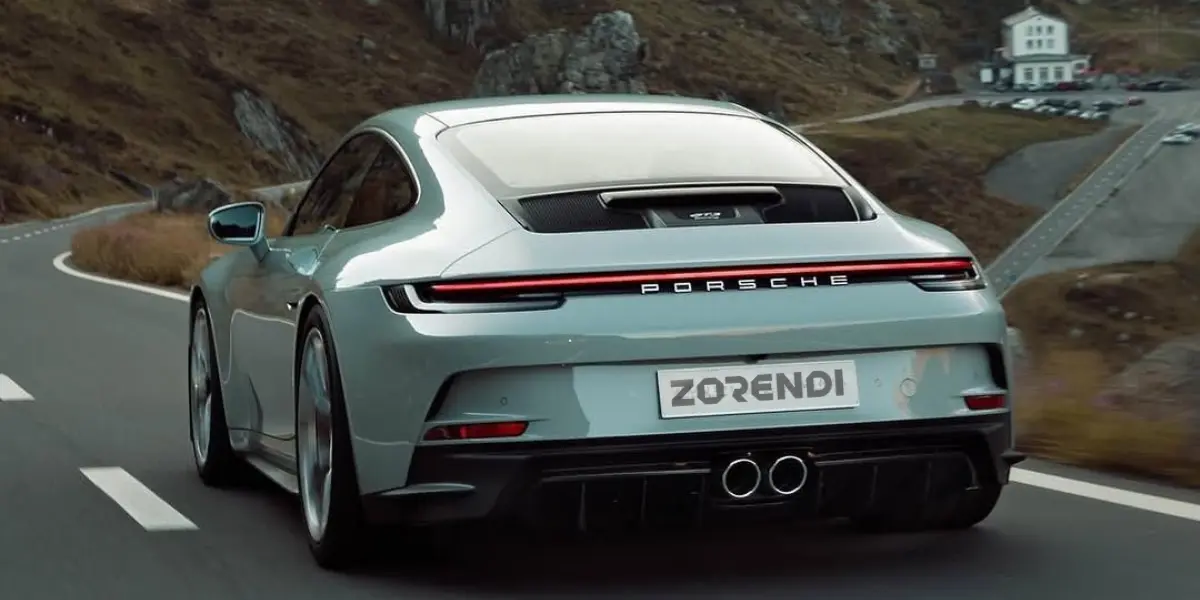
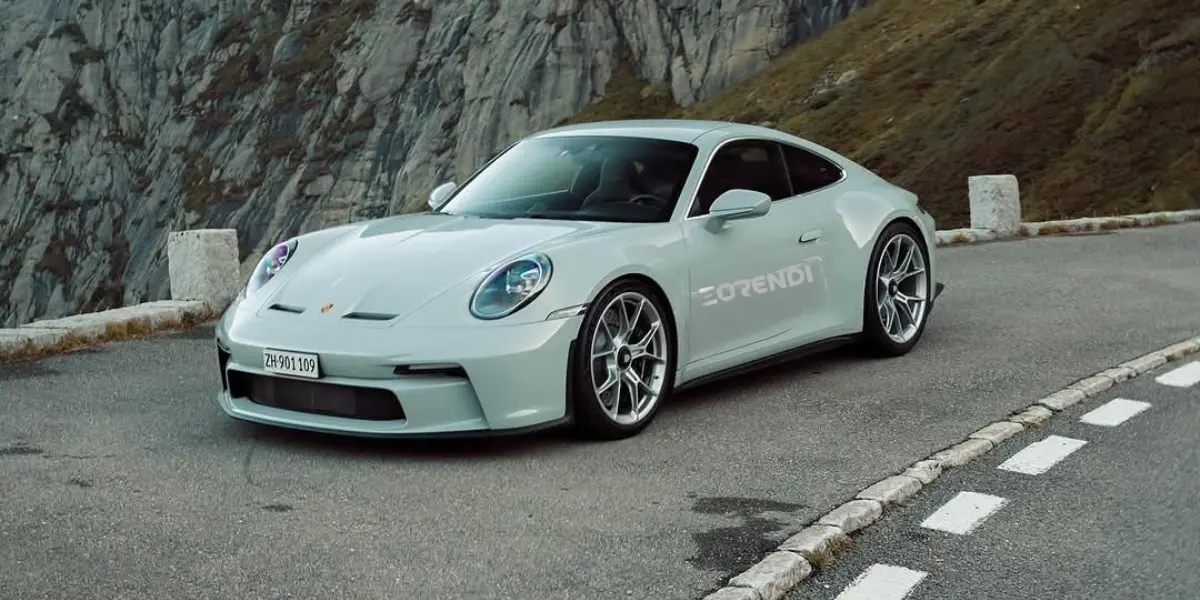
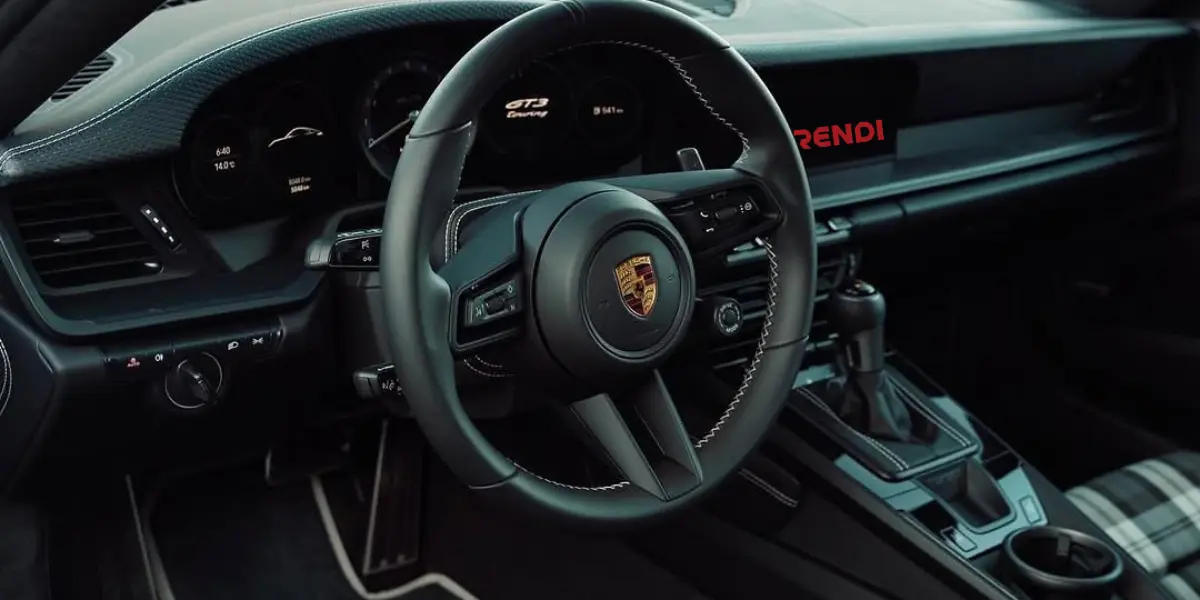
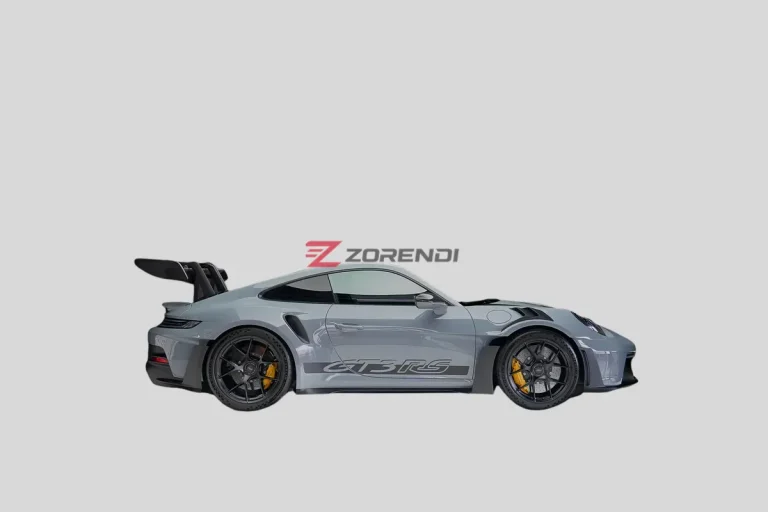
If what you actually want is a Porsche that can be driven on UAE roads and then taken to a circuit, the 911 GT3 RS is the closer match. Porsche explicitly describes the GT3 RS as road-approved, and the current UAE listing shows a starting price of AED 944,000 including VAT in Abu Dhabi specification.
The GT3 R sits on the other side of that line. Think transporter, pit garage and racing programme rather than number plates, valet parking and Sheikh Zayed Road.
Explore More: Porsche 911 for sale in Dubai
The headline number is the engine: a 4,194 cc naturally aspirated six-cylinder boxer mounted at the rear. Porsche lists maximum engine speed at 9,250 rpm and output at approximately 416 kW, or 565 PS. For the 2026 car, Porsche also specifies compatibility with minimum 98-octane fuel up to E25 and suitable eFuels.
Power reaches the rear wheels through a six-speed sequential constant-mesh racing gearbox. Gear changes are made using steering-wheel paddles, while the drivetrain includes a mechanical limited-slip differential and a three-plate carbon racing clutch.
One number you will notice is missing: a consumer-style 0–100 km/h claim.
That is deliberate. A GT3 race car is judged around lap performance, tyre management, braking consistency, stint length and the regulations of the championship in which it is entered. Final performance can also change with gearing, circuit configuration and Balance of Performance restrictions. A supermarket-specification comparison based on acceleration times would tell you very little about what the GT3 R was built to do.
Because GT3 racing uses Balance of Performance, usually shortened to BoP.
The purpose is to allow very different cars—rear-engined Porsche 911s, front-engined GT cars, mid-engined competitors and others—to race within the same category without allowing one technical concept to dominate simply because of its architecture.
That means the permitted specification of a GT3 R can change according to the championship and event. Porsche therefore describes the engine as producing up to 565 PS depending on its BoP classification, rather than promising that every GT3 R will race with exactly 565 PS in every event.
The same logic applies to weight. Porsche lists the 2026 car at approximately 1,265 kg base weight, again subject to BoP.
So if you see two GT3 Rs competing with slightly different performance parameters at different events, that does not necessarily mean one team has modified the car incorrectly. The regulations may require different configurations.
Browse More: Porsche for sale in Dubai


The 2026 version is an evolution of the 992-generation GT3 R introduced for the 2023 racing season rather than a completely new platform.
The 4.2-litre engine and basic drivetrain remain largely unchanged. Porsche concentrated instead on making the car more predictable under braking and acceleration and easier for customer teams to operate consistently.
One visible change is the addition of louvres above the front wheel arches. These work with revised front suspension geometry designed to reduce the amount the nose compresses under braking. In practical terms, Porsche is trying to keep the aerodynamic platform more stable when the driver moves hard onto the brakes.
At the rear, the suspension geometry was revised to reduce squat under acceleration, while the swan-neck rear wing received a 4 mm Gurney flap. Porsche also revised the Bosch racing ABS calibration, added further power-steering cooling and introduced additional driveshaft cooling.
Those may sound like small engineering changes compared with adding another 100 horsepower, but that is exactly the point. In endurance racing, making the car easier to brake consistently, easier on components and less sensitive to changing conditions can be more useful than chasing a larger headline output.


This needs a careful answer because there is an old official price online that can easily be mistaken for the current UAE price.
When Porsche launched the 992-generation GT3 R in 2022, it announced an ex-factory price of €511,000 plus country-specific VAT and optional equipment. That was the published launch price for the new generation, not a guaranteed 2026 UAE retail price.
Porsche has since evolved the car for the 2026 season but did not publish a new base vehicle price in its 2026 announcement. It did confirm that update kits for existing 992-generation GT3 R cars would start from €41,500 plus country-specific sales tax, with around 60 kits initially planned.
For a UAE buyer, the sensible approach is therefore to request a current motorsport quotation rather than converting €511,000 into dirhams and treating the result as the purchase price.
The final budget can include the car, factory options, freight, insurance during transport, customs clearance, tax treatment, spares and the equipment required to actually operate the car at a circuit.
Explore More: Cars for sale in Dubai


Dubai Customs states that imported vehicles are inspected and valued and that a 5% customs duty is imposed on the assessed value. The authority also lists documents such as the vehicle invoice and, where shipping is involved, the bill of lading and packing documentation.
The UAE’s standard VAT rate is also 5%.
That does not mean you should simply add ten percent to a European GT3 R price and assume you have calculated the final landed figure. Freight, customs valuation, the exact import classification of a competition vehicle and the VAT position of the purchaser can affect the transaction.
Because the GT3 R is a dedicated racing vehicle rather than a normal production road car, confirming the customs classification with the importer or customs broker before the car is shipped is especially important.
And clearing a car through customs does not make it road legal. Importation and road registration are separate issues.
No, and this is probably the most useful distinction for anyone comparing the two.
The GT3 RS is an extremely track-focused road car. It still has road homologation, Porsche’s seven-speed PDK transmission and equipment designed around a vehicle that has to function outside a racing paddock. Porsche currently lists the GT3 RS with a 4.0-litre naturally aspirated flat-six producing 386 kW or 525 PS.
The GT3 R is designed around racing regulations from the beginning.
It gets the larger 4.2-litre engine, six-speed sequential racing transmission, FIA safety equipment, racing ABS, adjustable brake balance, centre-lock 18-inch racing wheels, a 117-litre FT3 fuel cell, air jacks and extensive motorsport data systems.
Interestingly, the difference is not simply that the GT3 R has more power. The real difference is what the entire car is expected to survive and how quickly a team must be able to adjust, repair, refuel and service it during competition.
Yes, but “amateur” in this context needs some qualification.
Porsche specifically developed the current GT3 R with professional drivers and so-called gentleman drivers in mind. When the 992 GT3 R was introduced, Porsche said improving driveability and allowing customers to drive the car quickly for longer periods were major development priorities.
That does not make it a beginner’s track-day car.
A driver still needs to understand slick tyres, racing brakes, tyre preparation, harnesses, cockpit procedures, data systems and the consequences of driving a competition car without the electronic and practical safety margins expected from a road vehicle.
More importantly, the car itself needs support. A GT3 R is most sensible when there is a race team or specialist operation handling preparation, setup, tyres, fuel, consumables, inspection schedules and data.
Buying the chassis is only the first step.
With a normal used 911, mileage is one of the first numbers people look at. With a racing GT3 R, that number does not tell you enough.
A serious inspection should establish the car’s chassis history, accident history, engine operating time, gearbox usage, component lifing, maintenance records, software and specification status, installed options and included spares.
The 2026 update adds another question: has an earlier 992-generation GT3 R received the current upgrade package, and if not, does the intended championship require or benefit from it? Porsche designed the new components so they can be installed on existing 992 GT3 R cars.
You also need to know what specification the car was built to race in. Porsche offers or references equipment tailored to series including FIA LMGT3, IMSA and the Nürburgring-based NLS, so two apparently similar GT3 Rs may not arrive with exactly the same competition hardware.
For that reason, a race engineer’s inspection and documented component history can be more useful than a conventional pre-purchase inspection focused mainly on exterior condition and odometer mileage.
Choose the GT3 R when the actual objective is GT racing or serious circuit operation supported like a racing programme.
Choose the GT3 RS when the objective is to own an exceptionally track-capable Porsche that can still be driven legally on public roads. Porsche itself describes the GT3 RS as road-approved, while its technical documentation defines the GT3 R as an FIA GT3 customer racing car.
For a UAE buyer, that single distinction should come before horsepower, bodywork or price. If the car needs to leave home under its own power, drive to the circuit and return on public roads, the GT3 R is the wrong tool. If it will arrive on a transporter with engineers, tyres, fuel and a programme for the day, then you are finally looking at the GT3 R in the environment it was built for.
No. The Porsche 911 GT3 R is a purpose-built FIA GT3 racing car rather than a road-going version of the 911. It is designed for circuit competition and should not be treated as a normal UAE road car.
The current Porsche 911 GT3 R uses a naturally aspirated 4.2-litre flat-six engine. Porsche lists maximum output at approximately 565 PS, although permitted performance can vary according to Balance of Performance regulations.
The 911 GT3 RS is a road-legal production car designed for very serious track use. The GT3 R is a dedicated competition car with racing safety equipment, a sequential gearbox, a racing fuel system, air jacks and other hardware developed specifically for motorsport.
Porsche announced the 992-generation GT3 R with an original ex-factory price of €511,000 before country-specific taxes and optional equipment. A UAE buyer should request a current quotation because shipping, customs charges, taxes, options, spares and race-support equipment can substantially change the final cost.
A competition vehicle can potentially be imported into Dubai, but customs clearance and road registration are separate matters. Buyers should confirm the vehicle classification, customs duty, VAT treatment, documentation and transport requirements before shipping the car.
Experienced non-professional drivers can race the GT3 R, but it is not a beginner track-day car. Proper operation usually involves specialist preparation, racing tyres, fuel management, technical inspections, data analysis and experienced circuit support.
Check the chassis and accident history, engine operating hours, gearbox usage, component life records, maintenance documentation, current specification, installed updates and any spare parts included with the car. Race-car condition cannot be judged by mileage alone.
GT3 racing uses Balance of Performance, commonly called BoP. Organisers can adjust permitted vehicle parameters to balance different cars and technical layouts, so the GT3 R may not compete at exactly the same power or weight at every event.
Zorendi Editorial Team is the editorial team behind Zorendi, covering cars, motorcycles, luxury vehicles, automotive technology, and mobility trends across the UAE and international markets.
Our articles are developed through research, comparison of reliable sources, official manufacturer information, vehicle specifications, and relevant market data. The team focuses on creating clear, practical, and regularly reviewed content to help readers better understand new models, specifications, technologies, ownership considerations, and developments across the automotive industry.
Zorendi Editorial Team aims to present information in a straightforward and useful way, with an emphasis on accuracy, relevance, and providing readers with the context they need when researching vehicles and mobility-related topics.
Word list
×