
Mazda Vision X Mazda’s Futuristic Concept Explained
- Car Blog
- Car Review
-
Jan 05
-
8 min read
- Share post
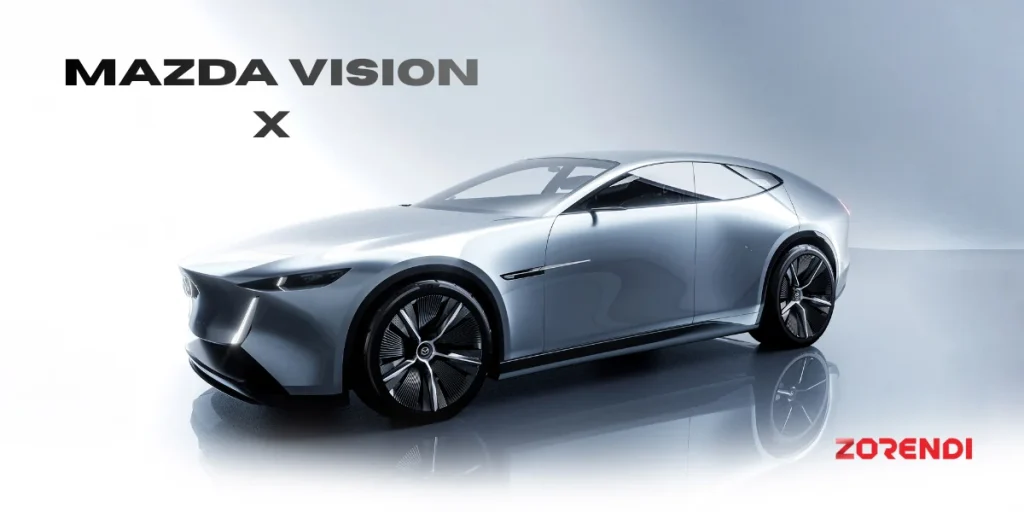
When people browse Cars for Sale, they are usually focused on what they can buy right now, not on a concept car that never reached production. That is exactly why Mazda Vision X deserves a deeper and more practical explanation. This was not a fantasy sketch or a styling experiment built for applause. It was Mazda asking a very serious question: if we remove marketing shortcuts and regulatory compromises, what would a truly modern performance-focused Mazda look like?
I am going to treat Mazda Vision X as if it were a real product. I will talk about exterior design, interior layout, powertrain architecture, performance numbers, price positioning, and market relevance. This is not an emotional tribute and not a recycled press release. It is a grounded breakdown of why Mazda Vision X mattered and why it still does.
The Design Language That Refused to Shout
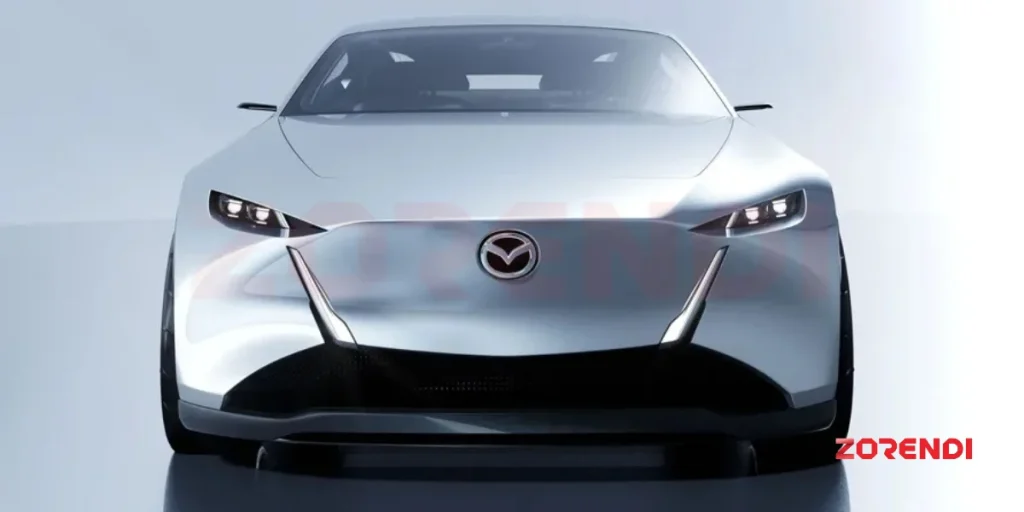
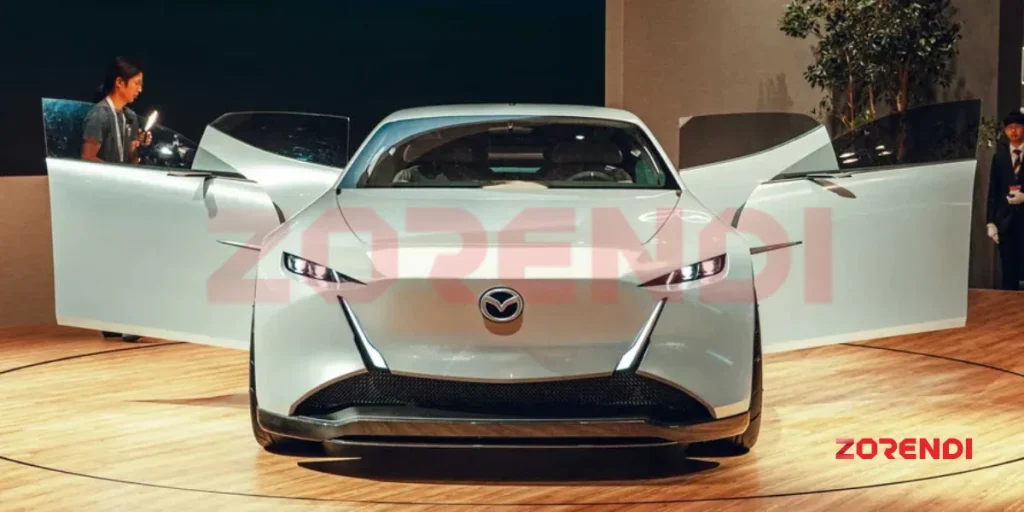
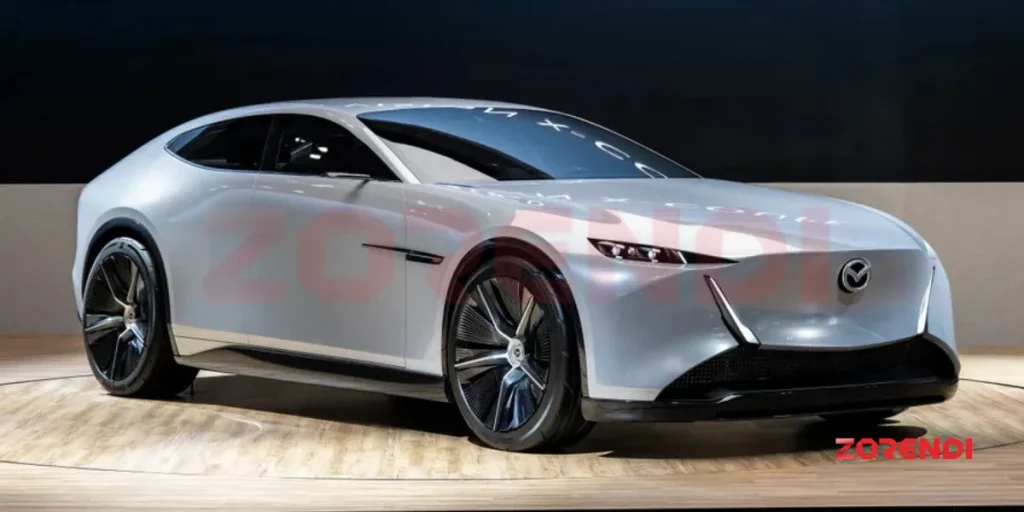
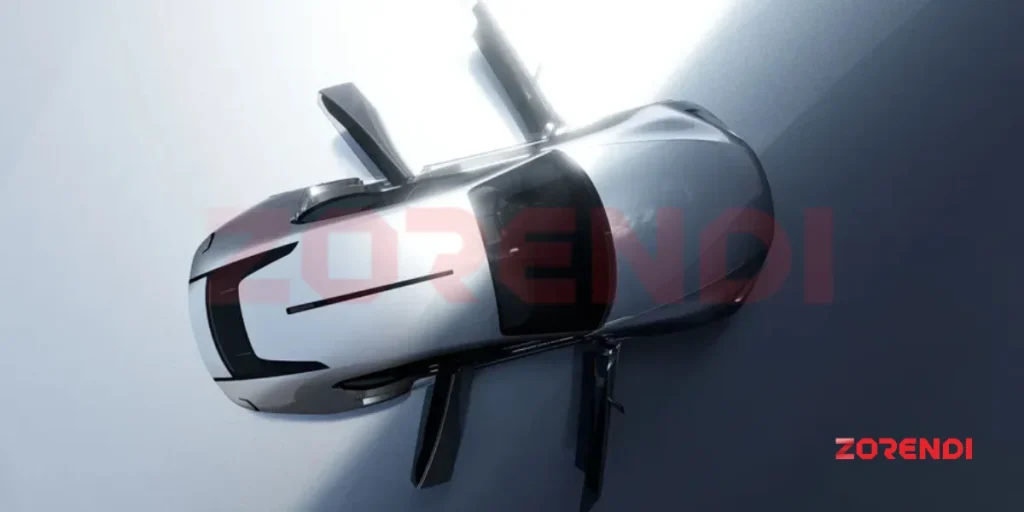
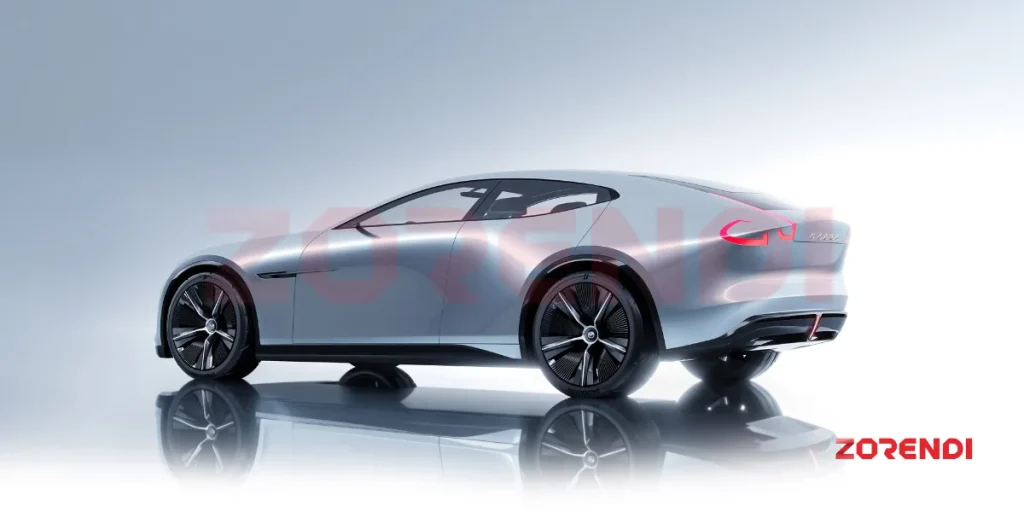
The exterior of Mazda Vision X does not rely on aggression or excessive ornamentation. The proportions do the heavy lifting. The hood is long, the cabin is pushed slightly rearward, and the stance is wide without looking exaggerated. This is a car designed to look stable at speed, not dramatic at a standstill.
What stood out to me immediately is how clean the surfaces are. There are no unnecessary creases, no forced vents, and no decorative elements pretending to be functional. The front fascia is sharp but restrained, with lighting elements that feel integrated rather than added later. The rear design follows the same logic, keeping the focus on width and balance instead of visual noise.
This approach makes the design age better. Even years after its debut, Mazda Vision X does not look outdated or trapped in a specific design trend.
Interior Design
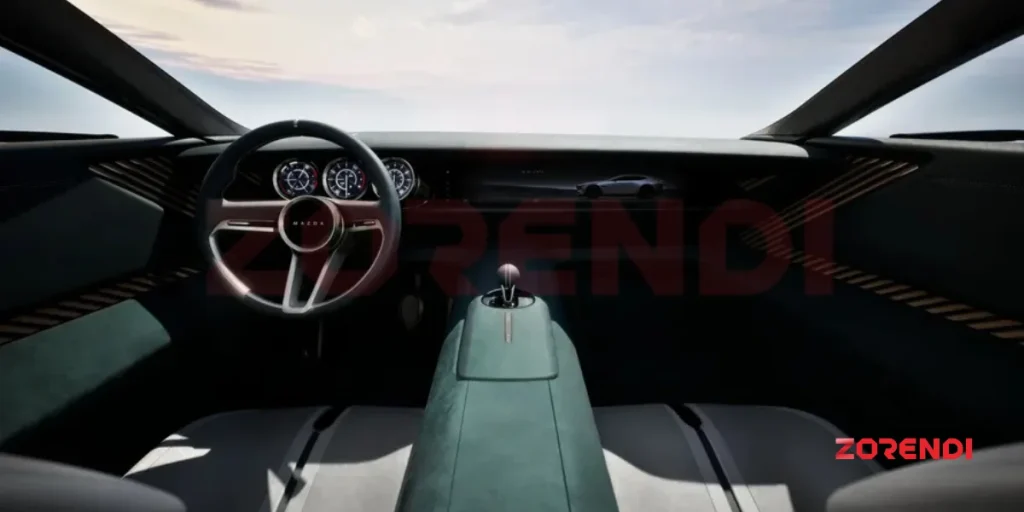
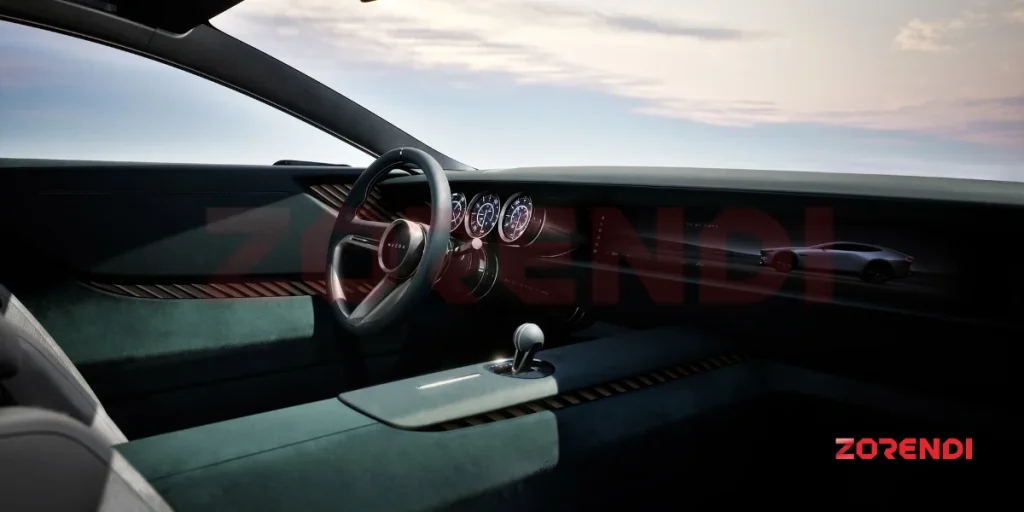
Inside the cabin, Mazda Vision X takes a clear stance against the screen-dominant interiors that define many modern concepts. The layout is driver-centric in a mechanical sense, not a digital one. The dashboard stretches horizontally, but the controls are subtly angled toward the driver.
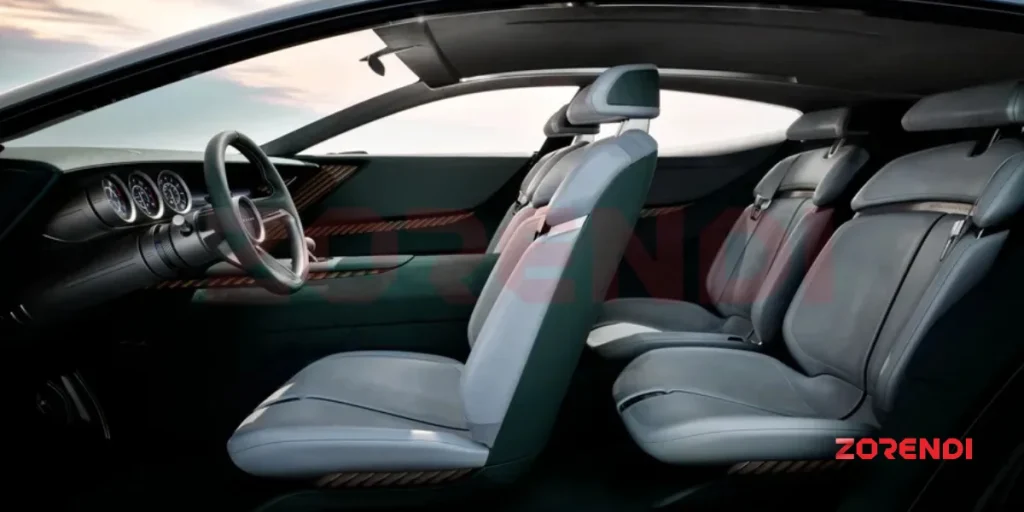
Materials are deliberately chosen. Soft leather is combined with brushed metal and technical fabrics instead of glossy black plastics. The seats are low-mounted and shaped to support sustained driving rather than casual commuting. Visibility is excellent, with thin pillars and a low dashboard line.
The absence of visual clutter is intentional. Mazda Vision X treats the interior as a workspace, not an entertainment lounge. This is a cockpit designed for someone who actually enjoys driving.
Twin-Rotary Hybrid Powertrain Explained Properly
The core of Mazda Vision X is its twin-rotary hybrid engine, and this is where the concept stops being theoretical and becomes genuinely ambitious. The system delivers a total output of 375 kW, equivalent to 503 hp or 510 PS, placing it firmly in high-performance territory.
Instead of using a large conventional engine, Mazda chose two compact rotary units combined with electric assistance. This configuration keeps the engine package small and low, improving weight distribution and center of gravity. Electric torque fills the traditional low-rpm weakness of rotary engines, while the rotaries themselves handle high-rev power delivery with ease.
This setup is not about nostalgia. Mazda Vision X uses rotary technology because it solves packaging and smoothness challenges that piston engines struggle with at this power level.
Performance Numbers That Actually Matter
With over 500 horsepower available, Mazda Vision X was never intended to be an efficiency showcase alone. Based on power-to-weight estimates and drivetrain layout, the projected 0–100 km/h time sits comfortably in the low four-second range. That puts it alongside modern performance sedans and entry-level supercars.
Torque delivery is the more interesting story. Thanks to hybrid assistance, torque is available immediately, without the lag typically associated with high-output engines. The car would feel fast not just when launched aggressively, but during everyday driving scenarios like overtaking or merging.
| Specification Area | Mazda Vision X |
|---|---|
| Power Output | 375 kW / 503 hp / 510 PS |
| Engine Type | Twin-Rotary Hybrid |
| Drivetrain Layout | Performance-oriented AWD |
| 0–100 km/h | Low 4-second range (estimated) |
| Focus | Balance, response, stability |
Price Positioning and Market Reality
A critical question is where Mazda Vision X would sit if it ever reached production. Based on Mazda’s historical pricing strategy and the cost of its technology, a realistic global price estimate would fall between $60,000 and $75,000.
This would place it above mainstream Mazda models but below exotic performance hybrids. It would compete with premium sports sedans rather than supercars. Interestingly, this positioning mirrors how modern Skyactiv-X models appear in today’s Mazda for Sale listings, where advanced engineering commands a premium without abandoning accessibility.
Mazda Vision X was never meant to be cheap, but it was never meant to be unreachable either.
Chassis Philosophy and Driving Character
Mazda Vision X follows Mazda’s long-standing belief that balance beats brute force. The chassis was designed around the powertrain, not adapted to it. Weight distribution is close to ideal, and the suspension geometry favors predictability over theatrics.
Steering response would likely be sharp but not nervous. This is not a car designed to intimidate its driver. It is designed to reward smooth inputs and consistent control. The hybrid system also allows regenerative braking to assist stability under deceleration, subtly improving corner entry behavior.
Why Mazda Vision X Still Feels Relevant
Many concepts fade into irrelevance once trends change. Mazda Vision X avoided that fate because it focused on fundamentals. Proportions, balance, power delivery, and driver engagement do not age quickly.
Even today, the ideas behind Mazda Vision X influence how Mazda approaches performance and technology. The concept validated that internal combustion, when re-engineered intelligently, still has a role alongside electrification.
Final Perspective
If Mazda Vision X had reached production, it would not have been the fastest or the most visually extravagant car on the market. What it would have been is cohesive. Design, engineering, performance, and pricing all moved in the same direction.
Mazda Vision X proved that Mazda still designs cars for drivers, not for algorithms. While a few details could have been refined, the underlying vision was sound. That is why it continues to be discussed years later.
Frequently Asked Questions
Was Mazda Vision X ever intended for production?
Mazda Vision X was developed as a technology and design showcase, not a confirmed production model, but many of its ideas were designed to be scalable.
How powerful was Mazda Vision X compared to modern performance cars?
With 503 horsepower from a twin-rotary hybrid setup, Mazda Vision X would comfortably compete with modern performance sedans and sports coupes.
What makes the rotary hybrid system special?
The combination of twin rotary engines and electric assistance delivers compact packaging, smooth power delivery, and immediate torque response.
Would Mazda Vision X have been affordable?
While not a budget car, its projected price range suggests it would have been positioned as a premium yet attainable performance model rather than an exotic.
Also Read : A Deep Look at the Porsche 918 Spyder and Its Engineering
