
Lexus LS Coupe Concept Overview
- Car Blog
- Car Review
-
Dec 28
-
7 min read
- Share post
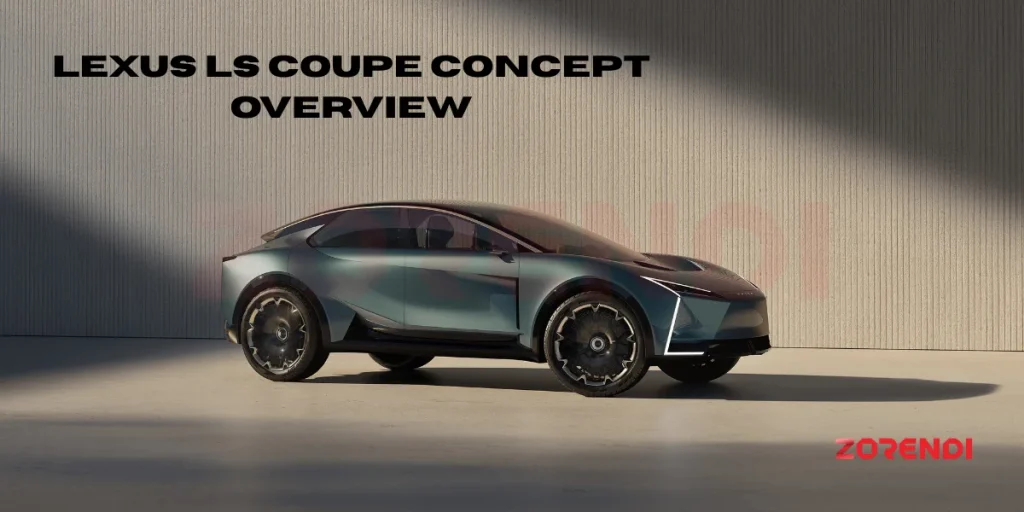
When people browse Cars for Sale, their attention usually goes straight to vehicles they can actually purchase today. The Lexus LS Coupe Concept does not belong to that category, yet it plays an important role in shaping what future Lexus flagships may look and feel like. Lexus does not casually attach the LS name to experimental projects, and that alone makes this concept worth serious analysis rather than a quick glance.
I approach the Lexus LS Coupe Concept as a potential production car, not as a design sculpture. The real value of this concept lies in understanding what Lexus was testing: design direction, cabin philosophy, performance expectations, and how far the LS identity can stretch without breaking.
Exterior Design Philosophy
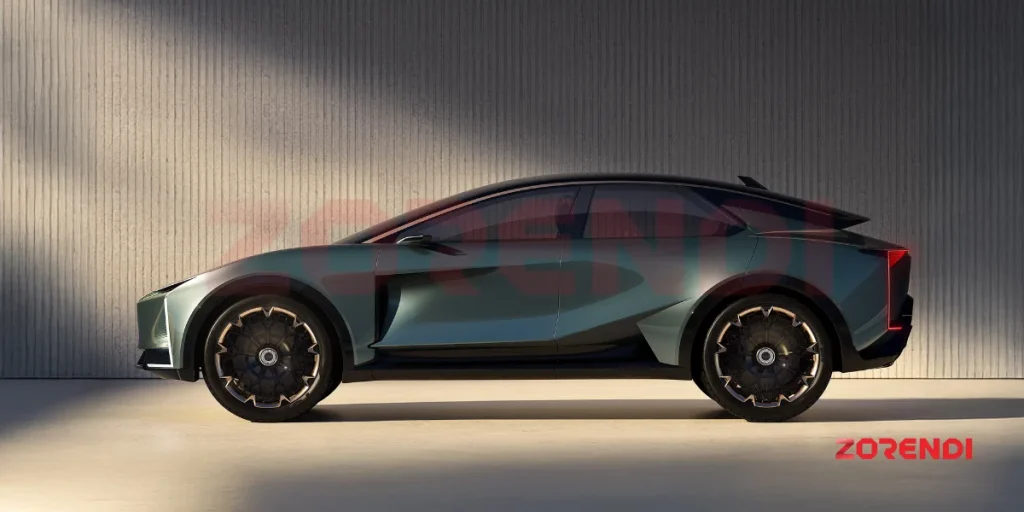
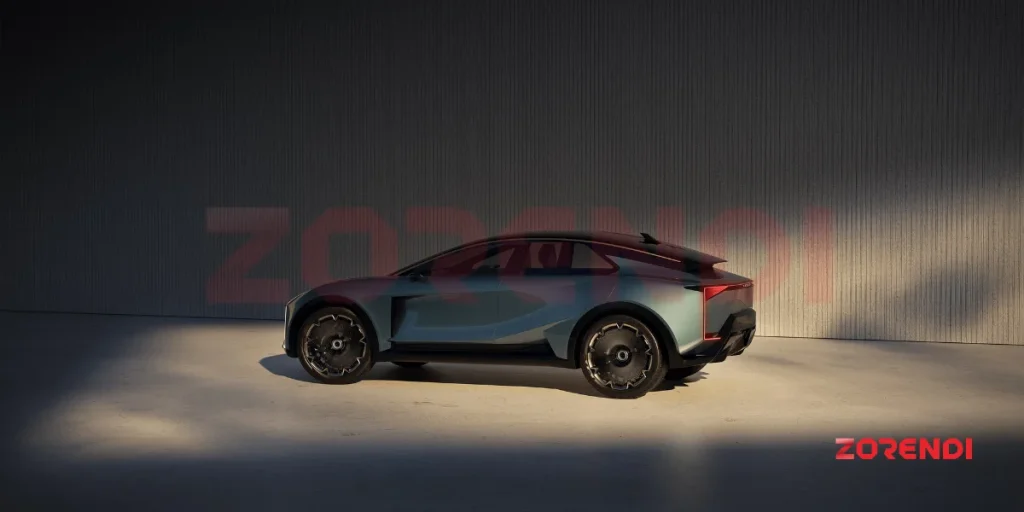
The most important exterior feature of the Lexus LS Coupe Concept is not the grille or the lighting signature, but the overall body proportion. Lexus lowered the roofline, extended the hood, and visually shifted the cabin rearward. These changes alone transform the LS from a formal luxury sedan into a refined luxury coupe.
The roofline flows smoothly toward the rear without a dramatic fastback drop. This decision preserves both elegance and usability. The doors are long, reinforcing the coupe layout, yet their size remains practical for everyday use. Lexus clearly avoided exaggerated styling that would compromise real-world functionality.
The body surfaces are clean and controlled. There are no unnecessary creases or aggressive sculpting. This approach aligns perfectly with the expectations of LS buyers, who tend to value timeless design over short-term visual impact.
Front and Rear Design:
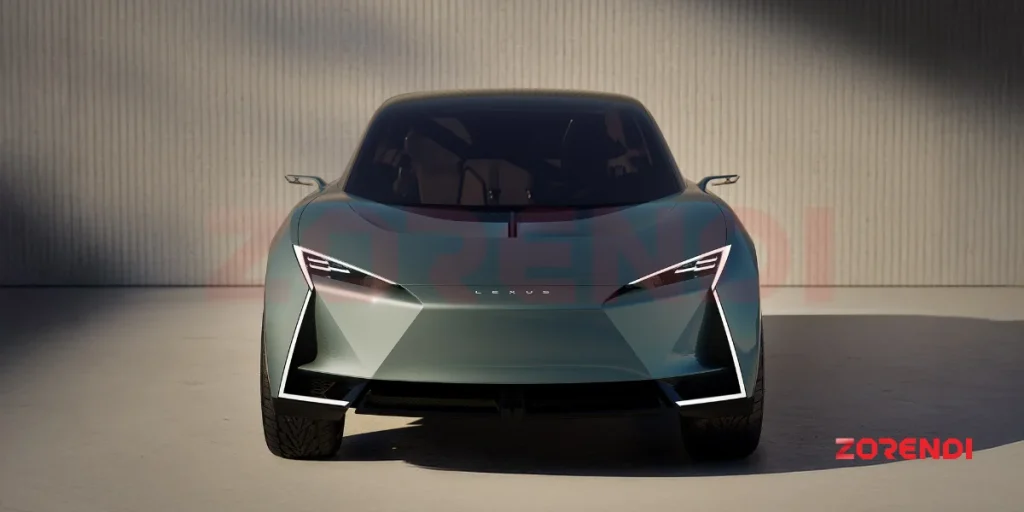
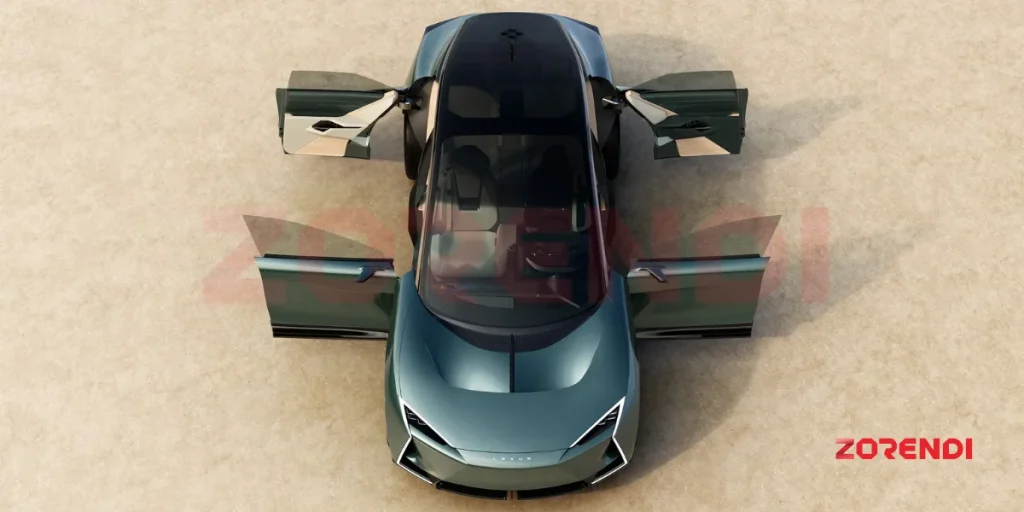
At the front, the spindle grille remains a key design element, but in the Lexus LS Coupe Concept, it feels more refined and less confrontational. The grille integrates smoothly into the bodywork, projecting confidence rather than aggression. The headlights are slim and horizontally oriented, visually widening the car and reinforcing its luxury character.
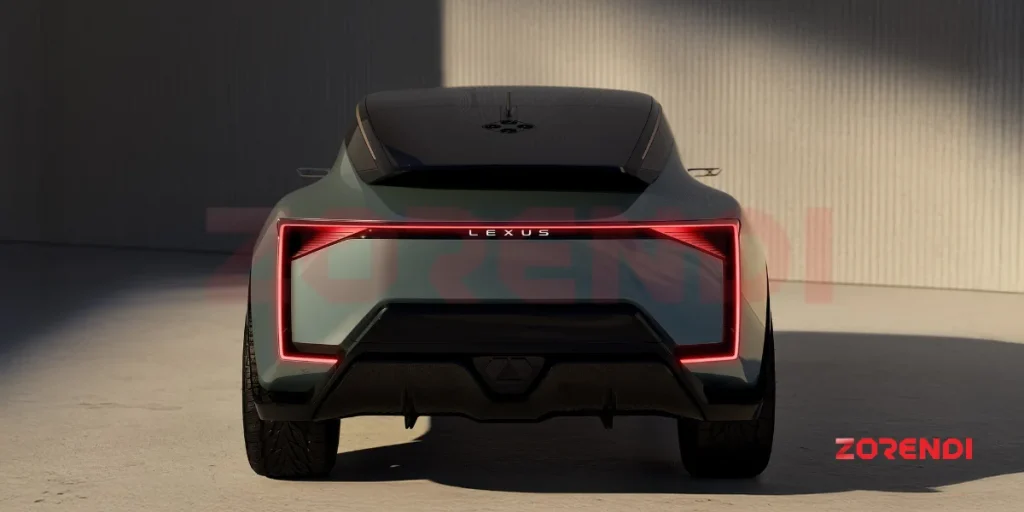
The rear design follows the same philosophy. Wide, horizontal taillights emphasize stability and presence. The exhaust outlets appear functional rather than decorative, an important detail in a segment where fake exhaust styling is often criticized.
Interior Design:
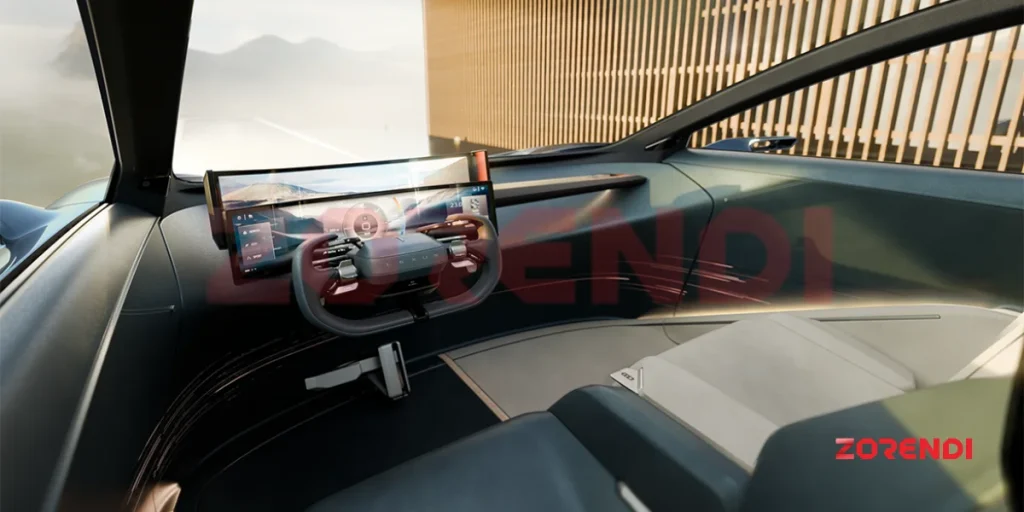
The interior of the Lexus LS Coupe Concept is where its purpose becomes most clear. This cabin was not designed to impress for a few minutes at an auto show. It was designed to be used daily.
The driving position is lower than in the LS sedan. The steering wheel sits slightly more upright, and the center console angles toward the driver. These subtle changes shift the experience toward driver engagement without sacrificing comfort.
Materials feel authentic. Leather, wood, and metal surfaces are substantial and tactile. Screens are present, but they do not dominate the cabin. Lexus deliberately avoided excessive digital clutter, which improves long-term usability and reduces driver fatigue.
Rear Seating:
The Lexus LS Coupe Concept is a coupe, and Lexus does not attempt to disguise that fact. Rear seat space is reduced compared to the LS sedan, but it remains genuinely usable.
The rear seats offer a reasonable backrest angle and adequate legroom for adult passengers on medium-length journeys. This is not a symbolic 2+2 layout. It is a true four-seat luxury coupe, which aligns with the LS philosophy.
Lexus LS Coupe Concept
Key Performance and Design Figures
Powertrain Expectations:
Lexus did not release official performance figures for the Lexus LS Coupe Concept, but the underlying platform and Lexus’ existing engine lineup provide strong clues.
If produced, the most realistic options would be:
- A twin-turbocharged V6 engine
- Or a V6-based hybrid system similar to the LS 500h
In either configuration, expected output would likely range between 420 and 450 horsepower. This level of power is more than sufficient for a large luxury coupe and fits Lexus’ philosophy of refined performance rather than headline-chasing numbers.
Acceleration: Realistic and Appropriate
With an estimated curb weight between 1,900 and 2,000kilograms and over 400 horsepower, the Lexus LS Coupe Concept would realistically achieve a 0–100 km/h acceleration time between 4.8 and 5.2 seconds if it entered production.
These numbers are competitive within the luxury coupe segment. More importantly, acceleration would feel calm and controlled rather than aggressive. Lexus engineers traditionally tune throttle response and transmission behavior to prioritize smoothness over drama.
Lexus LS Coupe Concept vs Key Rivals
Design, performance, and positioning comparison
Lexus LS Coupe Concept
BMW 8 Series Coupe
Mercedes S-Class Coupe
Audi A7 / A8
Pricing Expectations:
If the Lexus LS Coupe Concept were produced, its price would logically exceed that of the LS sedan. A realistic estimate would place it between $95,000 and $120,000, depending on configuration and market.
At this level, buyers searching for Lexus for Sale options would see it as a niche flagship rather than a mass-market model. Exclusivity would be part of its appeal.
Final Assessment
The Lexus LS Coupe Concept is not an empty design exercise. It represents a serious exploration of how Lexus could reinterpret its flagship identity without abandoning its core values.
The exterior design is mature and restrained. The interior is practical and driver-focused. Power and acceleration are realistic and well-judged. Nothing about this concept feels exaggerated or disconnected from reality.
If it were produced, this car would not be for everyone. But for buyers who value refinement, subtle design, and meaningful performance, it would make complete sense.
Frequently Asked Questions
Will the Lexus LS Coupe Concept go into production?
There is no official confirmation. It currently appears to be a design and engineering study rather than a guaranteed future model.
How much horsepower would the Lexus LS Coupe Concept have?
Based on platform and engine analysis, output would likely fall between 420 and 450 horsepower.
What would the 0–100 km/h acceleration be?
Estimated acceleration would range from 4.8 to 5.2 seconds, depending on drivetrain configuration.
How is it different from the LS sedan?
It features a coupe body, a lower driving position, reduced rear space, and a more driver-focused character while maintaining LS-level comfort.
Also Read : Private Jet vs First Class Which One Actually Makes Sense ?
