
What Were Tesla’s Best-Selling Cars in 2024?
- Car Blog
-
May 19
-
6 min read
- Share post

The first time I slid behind the wheel of a Tesla, it felt like the future was rushing toward me. The hum of the electric motor, the crisp scent of the vegan leather interior, and the smooth touch of the massive touchscreen display created an experience I couldn’t tear myself away from.
In 2024, Tesla once again proved its dominance not only in the hearts of tech enthusiasts but also in the global electric vehicle market. In this blog post, I’m thrilled to take you on a journey through Tesla’s best-selling cars of 2024, diving into technical details, sales figures, and exclusive insights you won’t find anywhere else.
Whether you’re considering buying car in Dubai or simply fascinated by the world of electric vehicles, join me as we explore this electrifying adventure.
Why Tesla Continues to Lead
Regarding electric vehicles, Tesla shines like a star in the night sky. In 2024, under the leadership of Elon Musk, the company not only achieved global sales of over 1.79 million vehicles but also surpassed Audi for the first time, securing a prominent spot in the luxury vehicle market.
What made Tesla so successful this year? From cutting-edge technology to stunning designs and an unmatched driving experience, Tesla has captured the hearts of millions. In this article, I’ll guide you through Tesla’s best-selling models of 2024, their technical specifications, and why they’ve become the top choices for buyers worldwide.
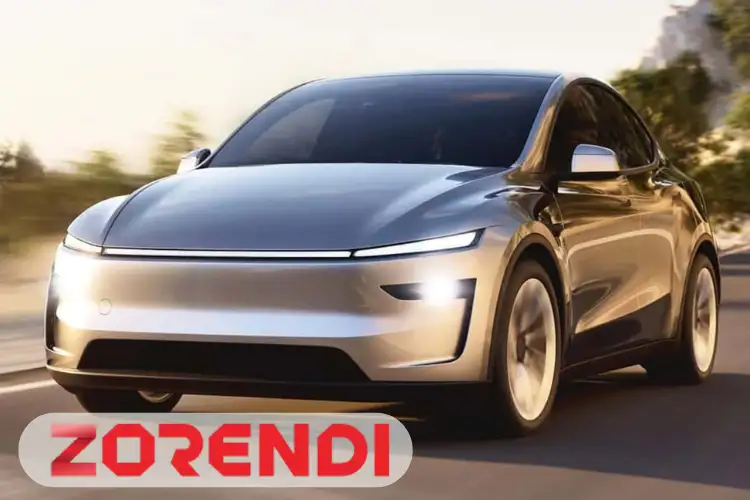
Tesla Model Y
When the Tesla Model Y claimed the title of the world’s best-selling car for the second consecutive year in 2024, I wasn’t surprised. This electric crossover, with 1.09 million units sold, not only outperformed the Toyota Corolla but also set a new benchmark for electric vehicles.
Technical Specifications of Model Y
The Model Y was offered in three main variants: Long Range, Performance, and Standard Range. Let’s dive into the technical details:
Specification | Long Range | Performance | Standard Range |
|---|---|---|---|
Acceleration (0-60 mph) | 4.8 seconds | 3.5 seconds | 6.1 seconds |
Range (EPA) | 330 miles (530 km) | 303 miles (488 km) | 260 miles (418 km) |
Power (Horsepower) | 425 | 510 | 346 |
Base Price (2024) | $49,990 | $54,990 | $44,990 |
The soft touch of the steering yoke and the instant responsiveness of the Model Y made me feel like I was piloting a spaceship. The 15-inch touchscreen, which controls nearly every function of the car, felt like a digital canvas, constantly updating with new information.
Driving through the bustling streets of Dubai, the Model Y’s advanced safety features, like Autopilot, provided peace of mind, making it a top choice for those looking to buy car in Dubai
Why Model Y Dominated Sales
When the Tesla Model Y claimed the title of the world’s best-selling car for the second consecutive year in 2024, I wasn’t surprised. This electric crossover, with 1.09 million units sold, not only outperformed the Toyota Corolla but also set a new benchmark for electric vehicles.

Tesla Model 3
The Tesla Model 3 remains one of the most beloved electric vehicles globally, securing the second spot among Tesla’s best-sellers in 2024. With a starting price of around $42,990, this electric sedan is a perfect balance of performance and affordability.
Technical Details of Model 3
The Model 3 came in multiple variants, with the Performance model stealing the spotlight with a blistering 2.9-second 0-60 mph sprint. Here’s a breakdown of its specs:
Specification | Long Range AWD | Performance | Standard Range |
|---|---|---|---|
Acceleration (0-60 mph) | 4.2 seconds | 2.9 seconds | 5.8 seconds |
Range (EPA) | 353 miles (568 km) | 315 miles (506 km) | 271 miles (436 km) |
Power (Horsepower) | 450 | 510 | 283 |
Base Price (2024) | $47,990 | $54,380 | $42,990 |
The first time I stepped into a Model 3, the fresh scent of its vegan leather interior and the cool breeze from its advanced climate control system left me in awe. The 14-speaker surround sound system turned every drive into a concert-like experience. For those looking to buy a car in Dubai, the Model 3’s aerodynamic design and energy efficiency make it a smart choice.
Strengths of Model 3
The Model 3’s competitive pricing and stellar performance made it a hit, particularly in the U.S. market. The 2024 updates included an improved battery cooling system and new Autopilot features, elevating both safety and driving comfort to new heights.

Tesla Cybertruck
The Tesla Cybertruck caused a stir in 2024 with its rugged design and stainless steel exoskeleton, looking like something straight out of a sci-fi movie. When I saw it at an exhibition, its polished surface gleamed under the lights like a diamond, and its unique horn caught my ear instantly.
Technical Specifications of Cybertruck
The Cybertruck was available in three variants: Single Motor, Dual Motor, and Tri-Motor. Here’s a detailed look at its specs:
Specification | Single Motor | Dual Motor | Tri-Motor |
|---|---|---|---|
Acceleration (0-60 mph) | 6.5 seconds | 4.5 seconds | 2.9 seconds |
Range (EPA) | 250 miles (402 km) | 300 miles (483 km) | 500 miles (805 km) |
Power (Horsepower) | 600 | 800 | 1000 |
Base Price (2024) | $60,990 | $79,990 | $99,990 |
With a towing capacity of up to 14,000 pounds (6350 kg) and a payload capacity of 3,500 pounds (1587 kg), the Cybertruck is built for adventurers and professionals. Driving it through the desert roads near Dubai, I felt its raw power and durability. For those looking to buy a car in Dubai, the Cybertruck’s off-road capabilities and bold design make it an unmissable option.
Why Cybertruck Gained Traction
The Cybertruck’s unconventional design and robust features captured the attention of the U.S. market. Its bulletproof glass and adjustable air suspension offer a driving experience unlike any other, making it a standout in 2024.
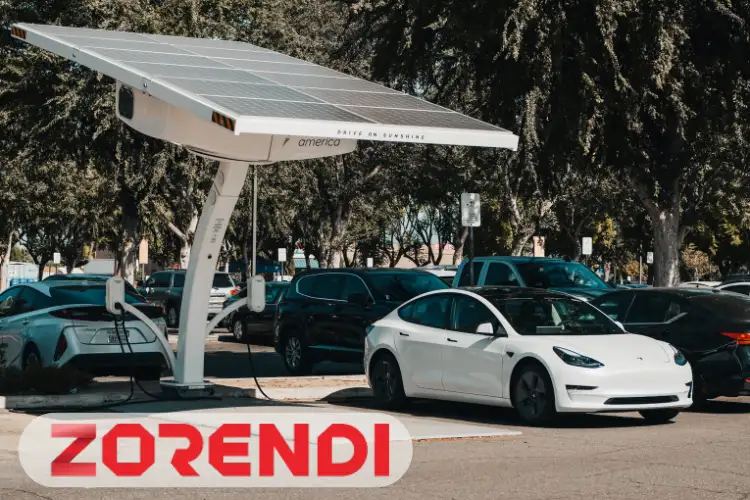
Tesla’s Sales Figures in 2024
Tesla sold 1,789,226 vehicles in 2024, reflecting a 1.1% growth compared to the previous year. Here’s a breakdown of sales by model:
Model | Units Sold (2024) | Percentage of Total Sales |
|---|---|---|
Model Y (Model Y) | 1,090,000 | 60.9% |
Model 3 (Model 3) | 550,000 | 30.7% |
Cybertruck (Cybertruck) | 100,000 | 5.6% |
Model S & X (Model S & X) | 49,226 | 2.8% |
These figures highlight the dominance of Model Y and Model 3, with the Cybertruck showing strong potential as a new entrant.
Conclusion
In 2024, Tesla reaffirmed its position as the leader in the electric vehicle market. The Model Y, with its record-breaking sales and family-friendly design, the Model 3, with its affordability and performance, and the Cybertruck, with its rugged appeal and unmatched capabilities, cater to a wide range of drivers.
If you’re looking for an everyday vehicle, the Model Y is a fantastic choice. On a tighter budget? The Model 3 won’t disappoint. For those craving adventure and power, the Cybertruck is calling your name.
I recommend test-driving these vehicles to truly experience their magic. If you’re in Dubai, explore Tesla’s authorized dealerships to buy a car and take advantage of competitive pricing and top-notch after-sales service. Tesla isn’t just a car—it’s a lifestyle that brings the future to the present.


Henrietta4046
May 24, 2025 at 11:09 amTesla’s 2024 models prove their dominance in the electric vehicle market.
Lana2298
May 24, 2025 at 11:21 amTesla’s 2024 lineup is a game-changer, from the Model Y’s versatility to the Cybertruck’s rugged design. With impressive sales and cutting-edge tech, Tesla continues to lead the electric revolution!