
Rogue Stallion: the 1969 ford mustang
- Car Blog
-
Jun 07
-
9 min read
- Share post
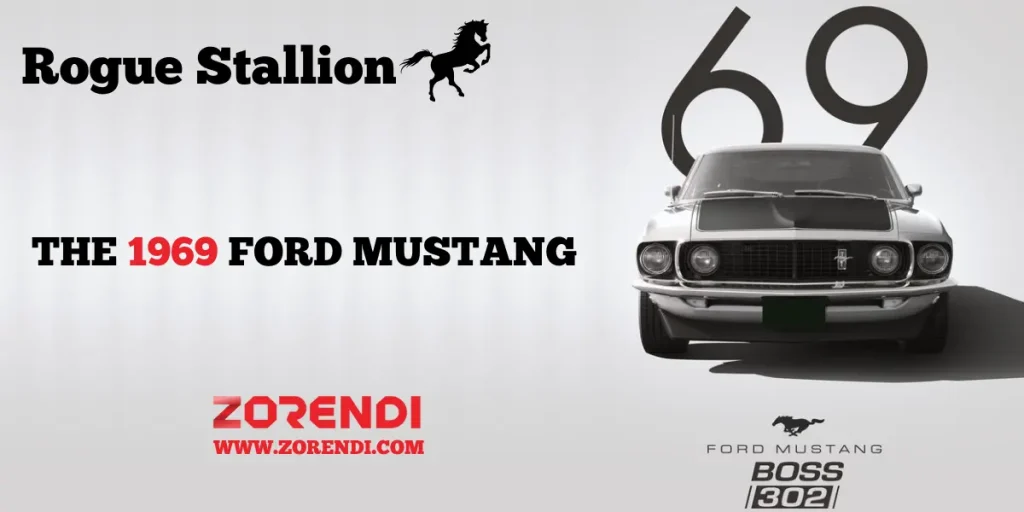
The 1969 Ford Mustang isn’t just a car—it’s a time machine, a cultural icon, a mechanical symphony that roars with the soul of an era. The first time I laid eyes on one, parked at a local car show under the Dubai sun, its Candy Apple Red paint gleaming like molten lava, I was hooked. That long hood, those aggressive quad headlights, the way the fastback seemed to crouch like a predator ready to pounce—it wasn’t just metal and rubber; it was a statement. This wasn’t a vehicle you’d casually buy Ford in Dubai; it was a dream you chased, a legacy you inherited. In this exploration, I’ll take you under the hood, through the curves of its design, and into the stories that make the 1969 Mustang a legend. Buckle up.
The Genesis of a Muscle Car Legend
The 1969 Ford Mustang wasn’t born in a vacuum. It emerged from a turbulent decade where America was redefining itself—think Woodstock, the moon landing, and the counterculture movement. Ford, already a titan in the automotive world, had introduced the Mustang in 1964, creating the “pony car” class. By 1969, the Mustang had evolved into something fiercer, embodying the raw power and defiance of the era. I remember my friend Ali, a mechanic in Sharjah, telling me how his father, a lifelong Ford enthusiast, would wax poetic about the Mustang’s ability to “own the road.” That year, Ford pushed the envelope, introducing models like the Mach 1, Boss 302, and Boss 429, each a masterpiece of engineering tailored for different beasts of the automotive jungle.
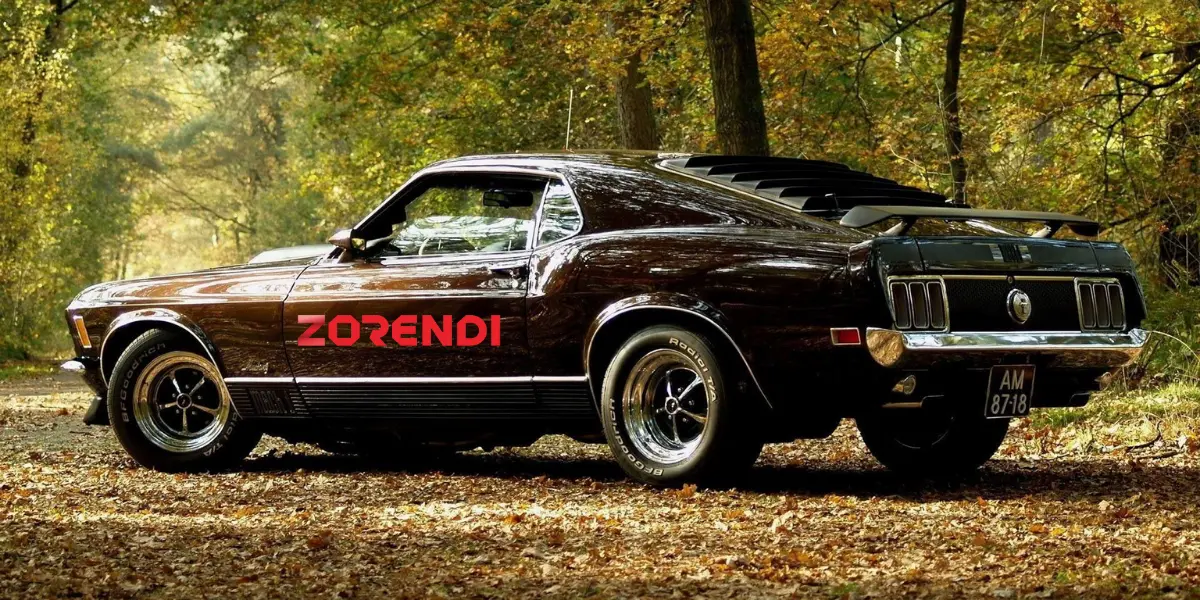
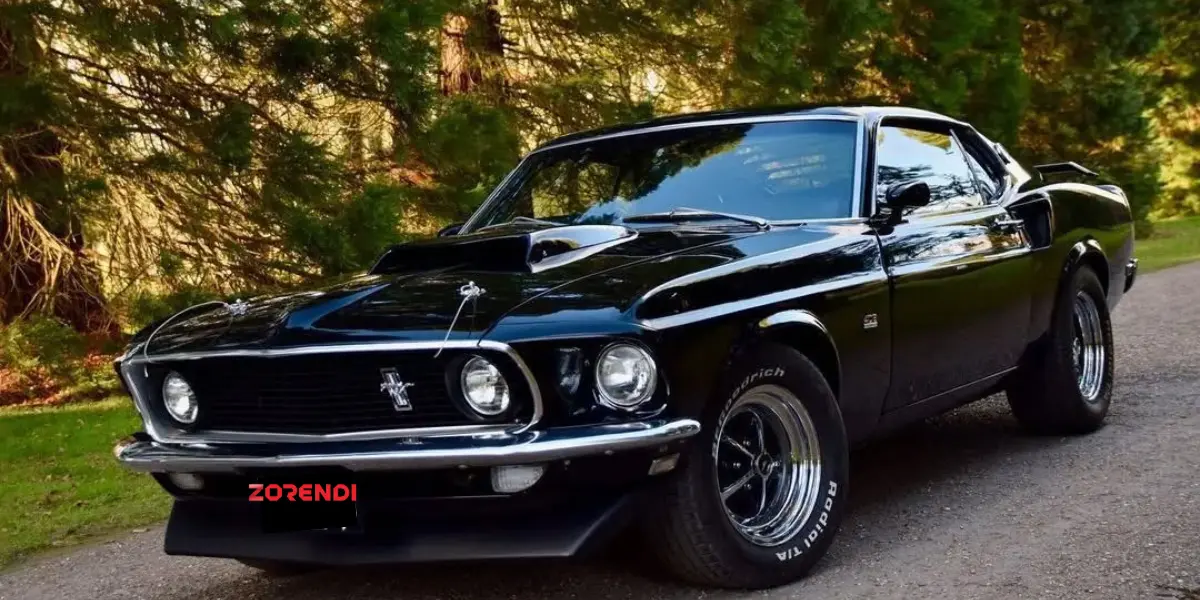
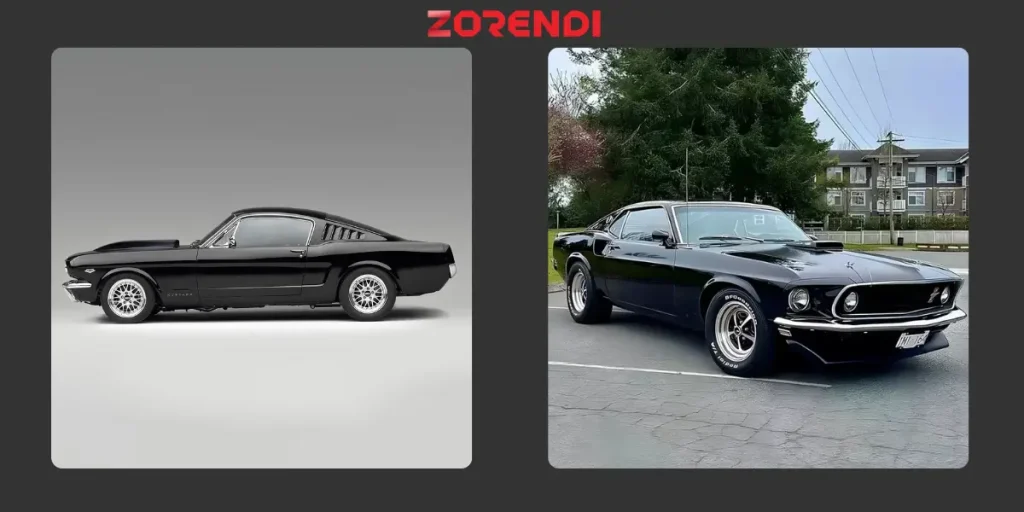
The 1969 model was a redesign, growing in length by 3.8 inches and width by 1.5 inches compared to its predecessors, giving it a more muscular stance. Its weight crept up to around 3,500 pounds for the Mach 1 fastback, a reflection of Ford’s shift toward blending luxury with performance. The quad headlights, a first for the Mustang, were deeply recessed, giving it a menacing glare. My colleague Sarah, who owns a restored 1969 Mach 1, swears that driving it feels like “taming a wild horse that’s itching to break free.” That’s no exaggeration—the Mustang’s design was a deliberate nod to untamed power, inspired by the P-51 Mustang fighter plane and the wild horses of the American West.
Heart of the Beast: Engine Options and Performance
Let’s talk about what makes the 1969 Ford Mustang a mechanical marvel: its engines. Ford offered a staggering array of powertrains, from the economical inline-six to the monstrous 429 Cobra Jet. I once sat in a Boss 429 at a vintage car auction in Dubai, and the sheer presence of that 7.0-liter V8 made my pulse race before the key even turned. Here’s a breakdown of the key engines, with details you won’t find in every car magazine:
250 CID Inline-Six (L-Code): Producing 155 horsepower at 4,000 RPM and 240 lb-ft of torque, this was the base engine for budget-conscious buyers. It wasn’t a screamer, but its durability was legendary. My uncle in Abu Dhabi still drives a 1969 hardtop with this engine, claiming it’s “smoother than a desert breeze” for daily cruises.
351 Windsor V8 (H-Code and M-Code): The 351 cubic-inch V8 came in two flavors—250 hp with a two-barrel carburetor and 290 hp with a four-barrel. Its single timing chain and robust block made it a favorite for tuners. Ali once rebuilt a 351W for a client, swapping in a custom camshaft to push it past 300 hp without breaking a sweat.
428 Cobra Jet V8 (Q-Code and R-Code): The 428 CJ, rated at 335 hp but rumored to exceed 400 in real-world conditions, was a drag-strip dominator. With a 10.6:1 compression ratio and a Holley four-barrel carburetor, it delivered 440 lb-ft of torque. I watched a Q-Code Mach 1 tear up a private track in Al Ain, hitting 0-100 km/h in under 6 seconds—a feat for 1969.
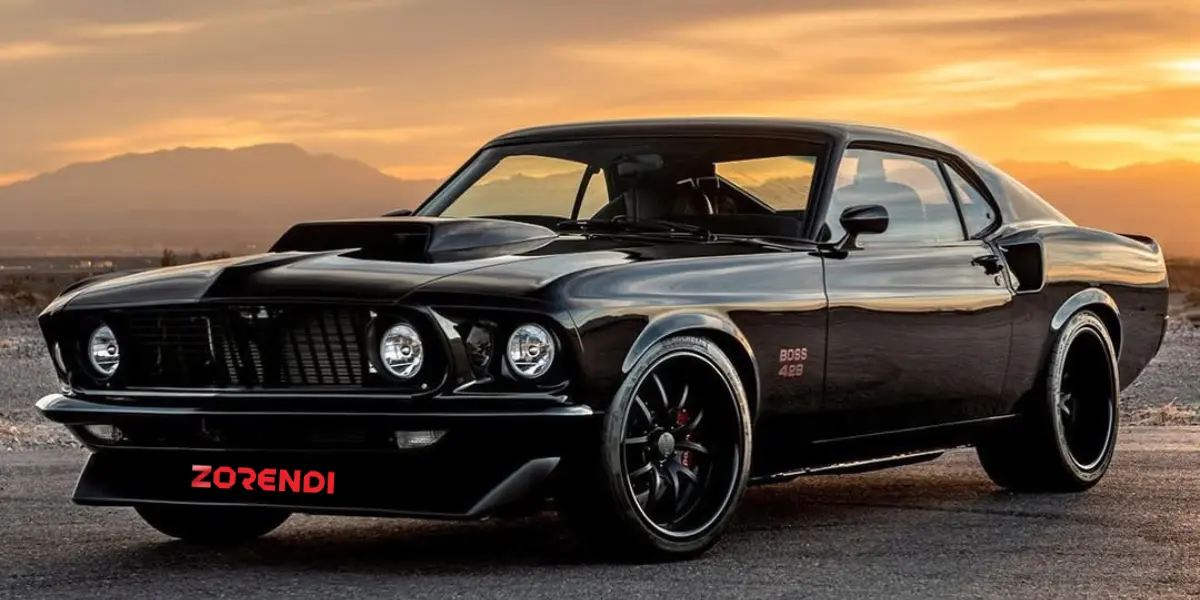
Boss 429 V8 (Z-Code): The crown jewel, built for NASCAR homologation, this 7.0-liter beast churned out 375 hp (underrated, with dyno tests suggesting closer to 500 hp). Its hemispherical heads and massive valves required Ford to modify the Mustang’s front suspension to fit. Only 1,358 were made, making it a unicorn. A collector I met in Dubai Marina offered his for sale, a car for sell in Dubai that fetched whispers of $300,000.
The transmission options were equally diverse: a three-speed manual, four-speed manual, or a three-speed Cruise-O-Matic automatic. The Mach 1’s Select-Shift automatic, with its racing-grade torque converter, could handle the 428 CJ’s monstrous torque, a fact Ali swears by after restoring one for a sheikh’s collection.
Design That Defies Time
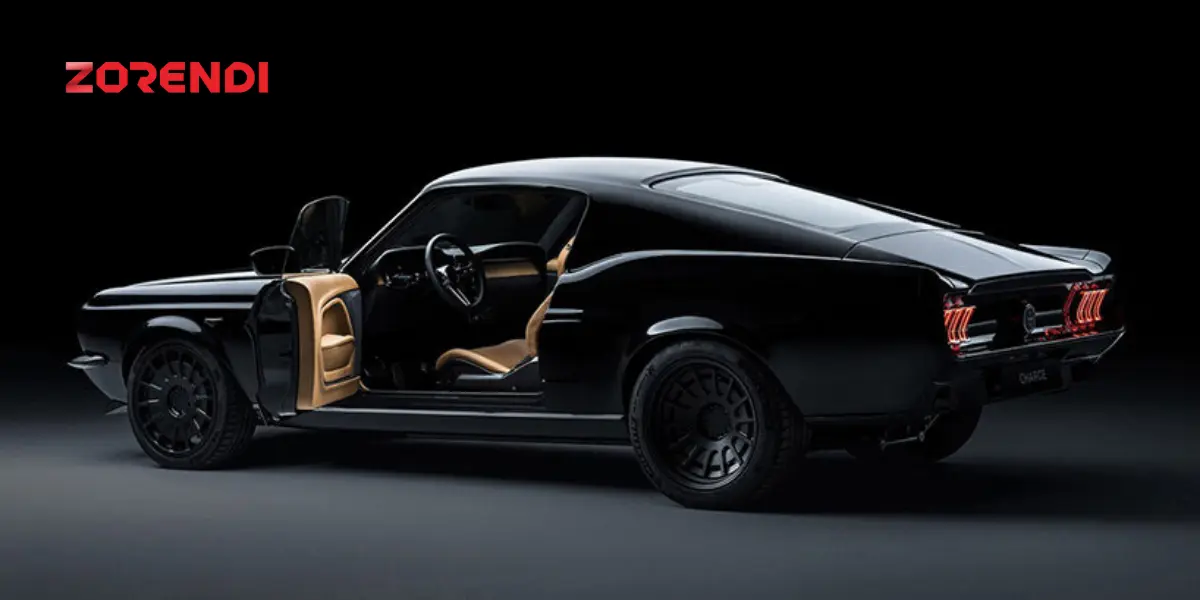
The 1969 Mustang’s design is where art meets aggression. Its long hood and short deck screamed performance, but the details—like the faux side scoops, chrome trim, and optional hood pins—gave it personality. The fastback’s sloping roofline, especially on the Mach 1, was a nod to aerodynamics, reducing drag coefficient by an estimated 0.05 compared to the hardtop. I remember sketching the Mach 1’s lines in my notebook as a teenager, obsessed with how the rear quarter panels flared like flexed muscles.
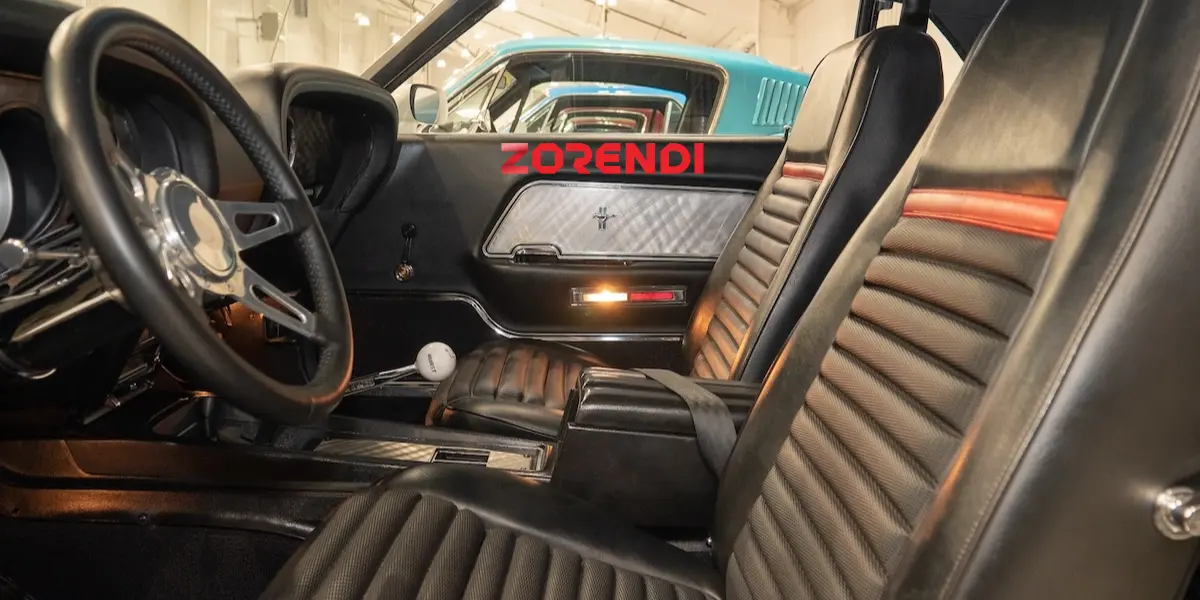
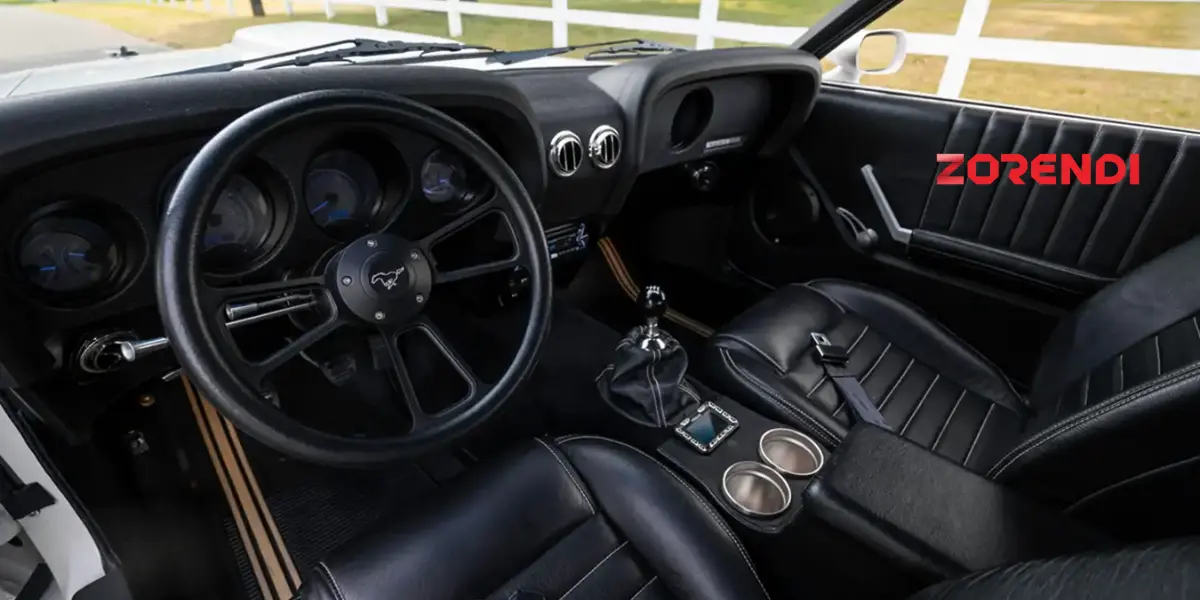
Inside, the cabin was a blend of sport and luxury. The high-back bucket seats, standard on the Mach 1, hugged you during hard cornering. Sarah’s Mach 1 has the optional woodgrain dash, which she says “feels like a gentleman’s club on wheels.” The instrumentation was functional but elegant, with a 120-mph speedometer and a 6,000-RPM tachometer. Ford even offered a tilt steering wheel, a rarity for the era, improving driver comfort. However, the rear seats were more symbolic than practical—a 2+2 layout that prioritized style over space.
A Legacy of Performance
The 1969 Mustang wasn’t just a street king; it was a record-breaker. At the Bonneville Salt Flats, Mickey Thompson and his team piloted modified Mach 1s, Boss 302s, and Boss 429s to 295 USAC-certified records. One Mach 1 averaged 157 mph over a 10-mile course for 24 hours, a grueling test of endurance. I spoke to a retired racer in Dubai who claimed his modified 1969 Mach 1, with a tuned 428 CJ, hit 165 mph on a private airstrip—a number I couldn’t verify but didn’t doubt, given the car’s pedigree.
The Boss 302 was built for SCCA Trans-Am racing, competing against the likes of the Chevrolet Camaro Z/28. Its 302 CID V8, with a 10.6:1 compression ratio and Cleveland heads, delivered 290 hp but was tuned for high-RPM performance, redlining at 7,000 RPM. A friend in the UAE’s car scene, Omar, owns a Boss 302 and describes the engine’s scream as “a banshee waking up.” The Boss 429, meanwhile, was a NASCAR weapon, its semi-hemi heads optimized for top-end power, though its street manners were less refined due to its race-bred nature.
The Ultimate 1969 Mustang Spec Sheet
| Model | Engine | Horsepower | Torque (lb-ft) | 0-100 km/h (sec) | Top Speed (km/h) | 2024 Value (USD) | Unique Features |
|---|---|---|---|---|---|---|---|
| Base Hardtop | 250 CID I6 | 155 | 240 | 10.2 | 185 | 15,000-25,000 | Economical, vinyl bucket seats |
| Mach 1 Fastback | 351W/428 CJ V8 | 250-335 | 355-440 | 5.8 (428 CJ) | 210 (428 CJ) | 75,000-169,000 | Shaker hood, competition suspension, quad headlights |
| Boss 302 Fastback | 302 CID V8 | 290 | 290 | 6.0 | 205 | 150,000-250,000 | SCCA Trans-Am homologation, Cleveland heads |
| Boss 429 Fastback | 429 CID V8 | 375 (est. 450) | 450 | 5.3 | 225 | 300,000-600,000 | NASCAR homologation, semi-hemi heads, widened suspension |
| Shelby GT500 | 428 CJ V8 | 335 | 440 | 5.8 | 210 | 200,000-350,000 | Fiberglass hood, luxury trim, dual exhausts |
| Grande Hardtop | 250 CID I6/351W V8 | 155-250 | 240-355 | 8.5 (351W) | 195 (351W) | 20,000-40,000 | Vinyl roof, luxury interior, sound deadening |
Notes: 0-100 km/h times and top speeds are based on period tests and modern estimates for well-maintained examples. 2024 values reflect Hagerty and Classic.com data for concours or excellent condition.
The Craft of Restoration
Restoring a 1969 Mustang is both a labor of love and a test of patience. Ali, who’s restored three Mustangs, says the biggest challenge is sourcing authentic parts. The 1969 model’s unique quad headlights and grille require precision to align, and aftermarket reproductions often don’t fit right. He once spent six months tracking down an original Shaker hood scoop for a Mach 1, only to find it needed custom machining to mate with a modern carburetor.
The suspension, a front MacPherson strut and rear live axle with leaf springs, is robust but dated. Upgrading to adjustable coilovers, as Sarah did, improves handling without sacrificing the car’s soul. The brakes—front discs and rear drums on higher trims—benefit from modern ceramic pads, which Ali swears cut stopping distances by 15%. The cooling system, often a weak point, demands an aluminum radiator like the BeCool unit mentioned in some enthusiast circles, increasing coolant capacity by 20% over stock.
A Machine That Lives Forever
The 1969 Ford Mustang isn’t just a car—it’s a legacy etched in steel and chrome. Its engines, from the humble L-Code to the fire-breathing Boss 429, tell a story of engineering ambition. Its design, with its predatory stance and timeless lines, captures the spirit of a generation. For me, it’s personal: the first time I heard a Mach 1’s exhaust note, I understood why my father spent hours polishing his old Ford Falcon, dreaming of a Mustang. This car doesn’t just drive; it demands to be felt, to be lived.
Whether you’re a gearhead restoring a fastback in a Dubai garage or a collector eyeing a rare Boss 429, the 1969 Mustang is a reminder that some machines transcend time. It’s not about top speed or price tags—it’s about the stories, the craftsmanship, and the raw, unfiltered joy of driving a legend. So, if you ever get the chance to slide behind the wheel of one, don’t hesitate. You’re not just driving; you’re communing with history.
