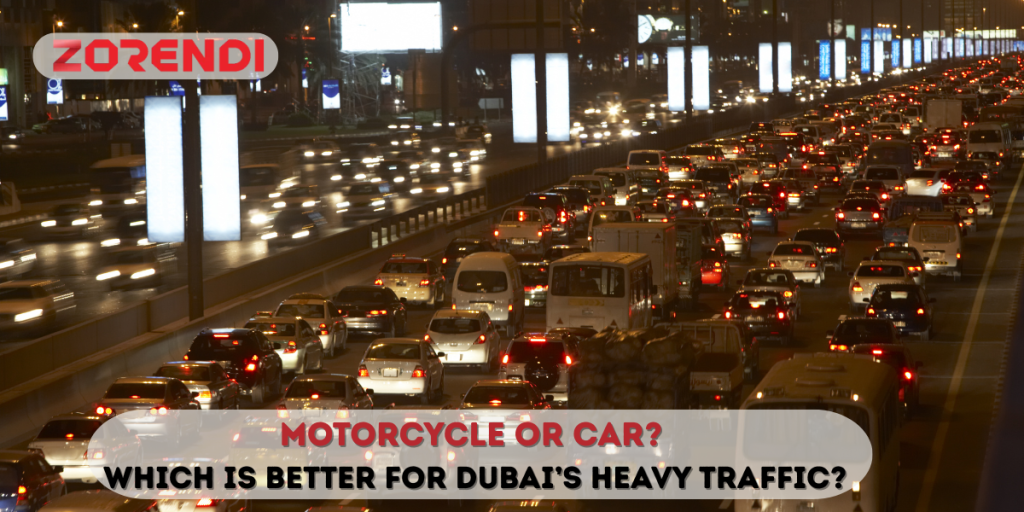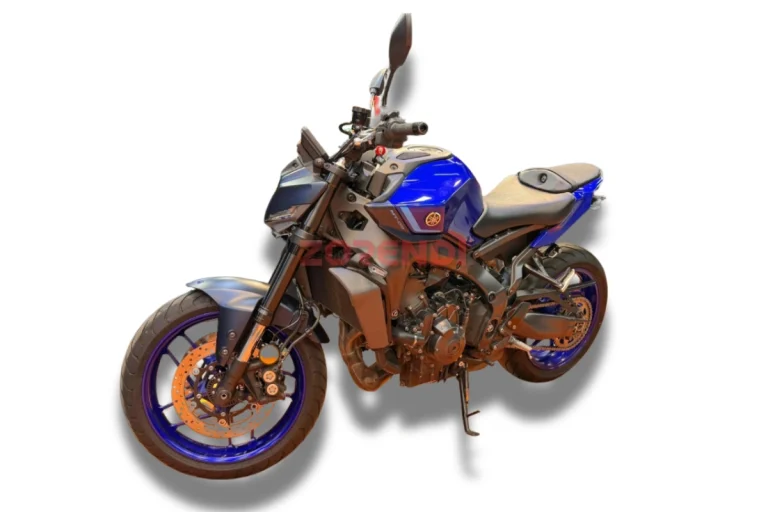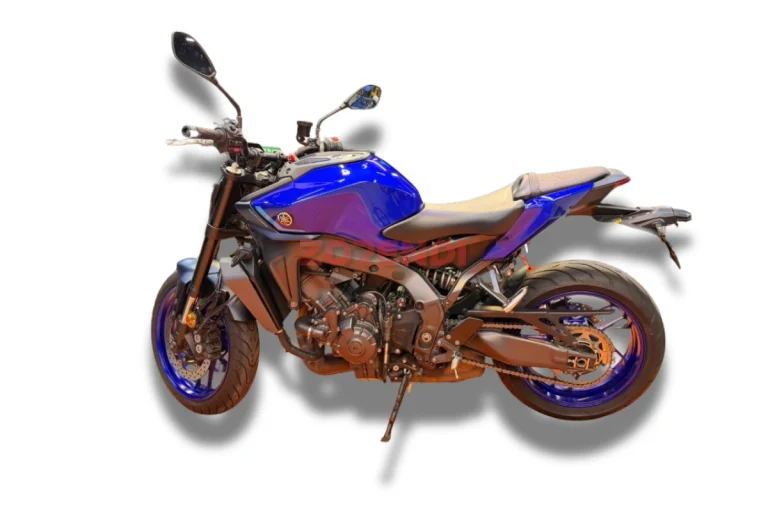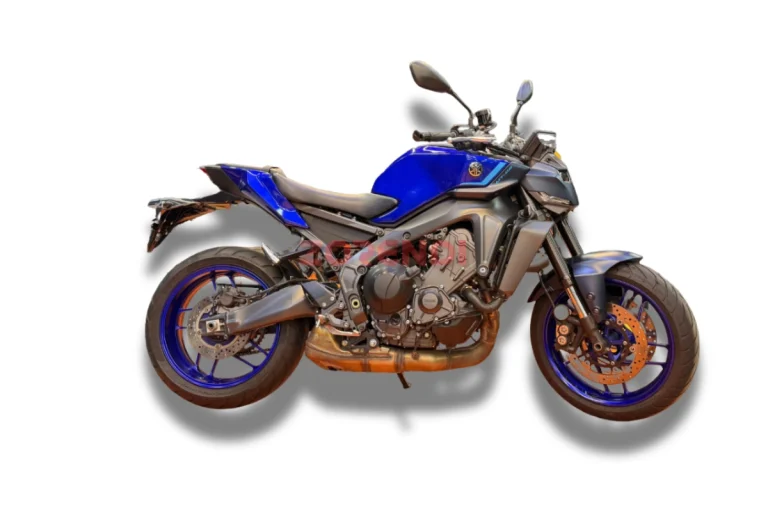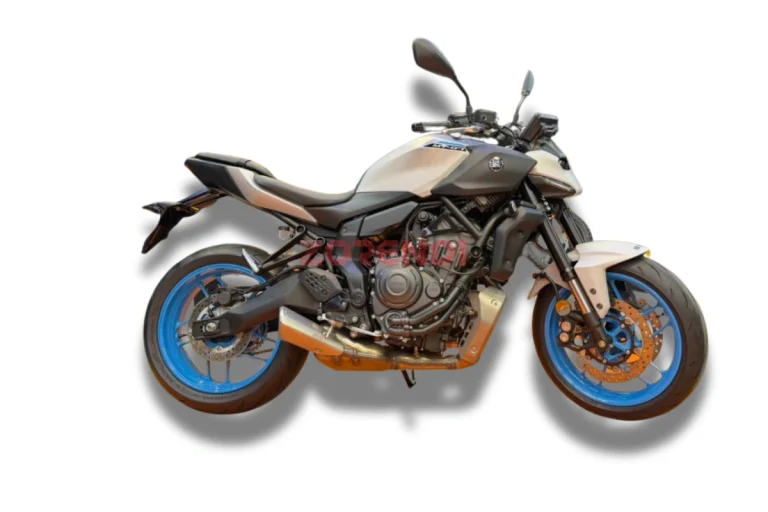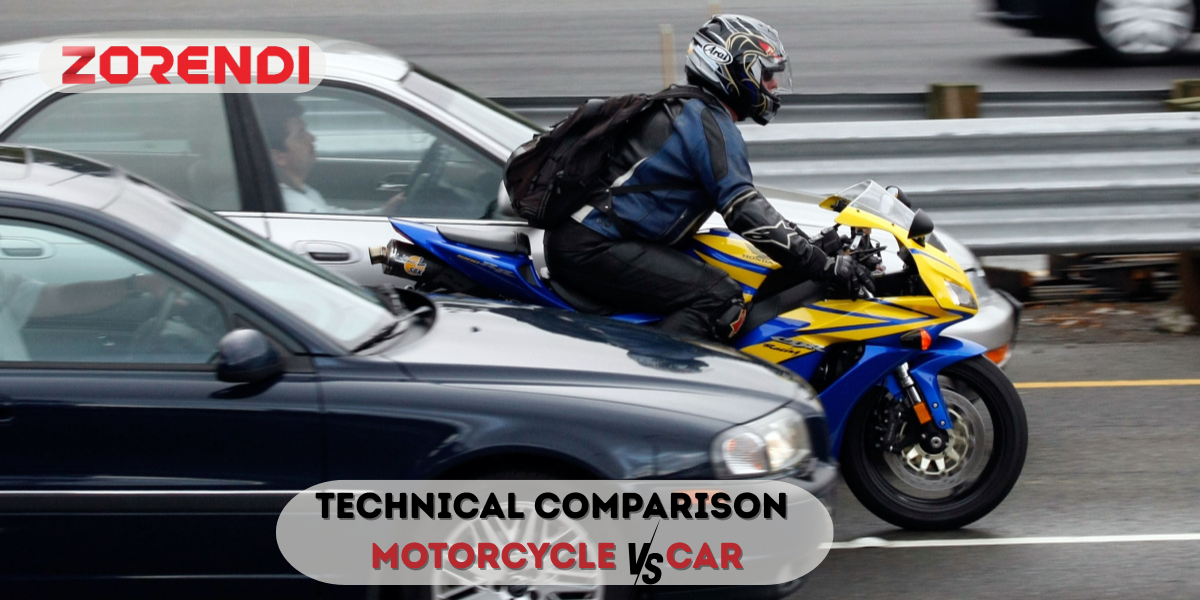
You’ve probably heard that a motorcycle is the obvious answer to Dubai congestion because it can move through gaps that stop a car. That sounds convincing until you consider road rules, summer heat, accident exposure, carrying capacity and the fact that a motorcycle cannot simply treat the space between lanes as its own private route. A bike can be quicker and cheaper for the right commute, but it is not automatically the smarter daily vehicle.
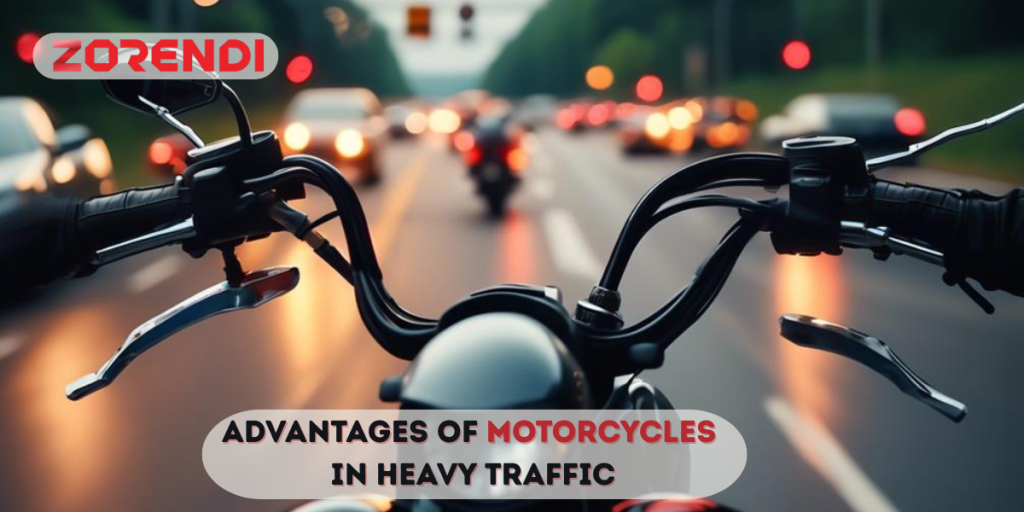
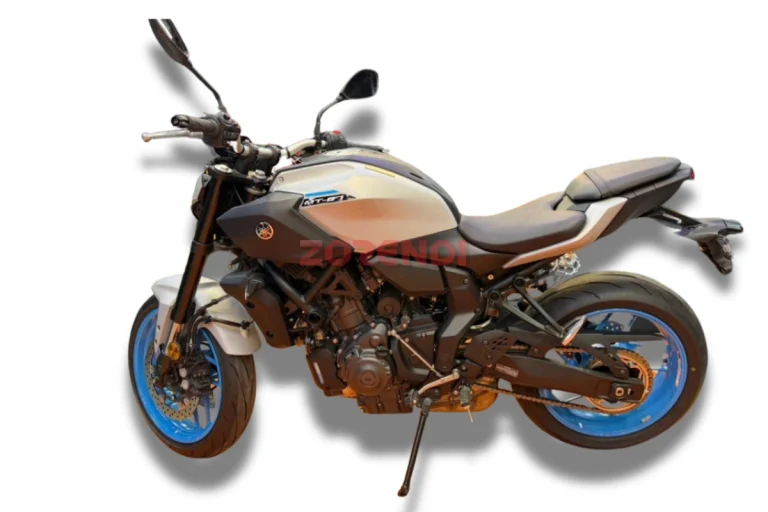
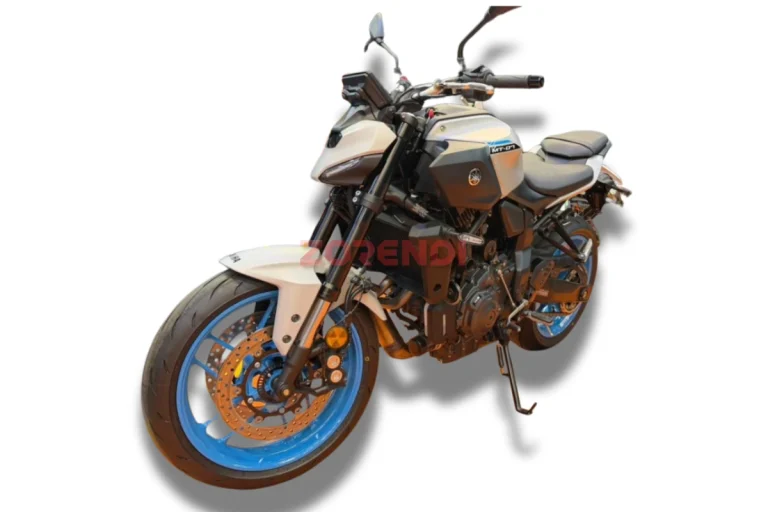
A motorcycle takes up less road space and is easier to position at low speed. That helps on narrow streets, when entering parking areas and in neighbourhoods where a large car feels cumbersome.
The mistake is assuming that buying a bike gives you permission to weave between moving or stationary vehicles. RTA’s motorcycle handbook says riders need a full lane to themselves and should avoid becoming trapped in a small space with cars sharing that lane. It also requires riders to check mirrors and perform a head check before changing position or lanes.
This changes the calculation. If you ride defensively and remain properly positioned within traffic, the time saving may be smaller than expected. A rider who depends on aggressive filtering to make the purchase worthwhile is building the decision around unsafe behaviour rather than a reliable commuting advantage.

A lightweight motorcycle reacts quickly at low speeds and requires less room when entering or leaving congested areas. Finding a suitable parking position can also be easier, particularly near smaller commercial buildings where full-sized car spaces are limited.
Yet Dubai traffic is not limited to slow city streets. Many commutes include fast multi-lane roads, frequent merging and drivers changing lanes near exits. RTA advises motorcycle riders to stay out of blind spots, maintain visible road positioning and increase their space around merging traffic.
A motorcycle therefore works best when the route is reasonably short, familiar and mostly urban. If the daily journey includes long sections of Sheikh Zayed Road, Al Khail Road or other high-speed corridors, the bike’s small size becomes less valuable than stability, visibility and physical protection.
Explore More: Motorcycle for sale
Dubai summer heat is not just an inconvenience on a motorcycle. It affects concentration, hydration and the rider’s willingness to wear proper protective clothing.
RTA specifically warns that riding is more tiring than driving and that tiredness combined with dehydration in hot weather can make quick decisions more difficult. Its guidance recommends protective clothing, rest and avoiding busy traffic when fatigue becomes a concern.
The practical conflict is obvious. Proper boots, gloves, an approved helmet, trousers and an abrasion-resistant jacket improve protection, but they also make a slow summer commute physically demanding. Riding without them may feel cooler, but it removes much of the protection the rider bought the equipment to provide.
A car gives you air conditioning, shade and protection from direct sunlight, dust and humidity. For someone commuting in office clothes or attending several meetings each day, that is not a minor comfort feature. It can decide whether the vehicle remains useful throughout the year.
Source By: rta.ae

The purchase-price difference can be substantial. Honda UAE lists the 2026 Unicorn 160 from AED 8,800, while larger road motorcycles such as the CB300R and NC750X sit much higher in the range. By comparison, Toyota UAE lists the 2026 Yaris sedan from AED 64,900. These are examples rather than direct equivalents, but they show how cheaply basic motorcycle ownership can begin.
Source By: honda.ae
That initial gap does not tell the whole story. A rider still needs a suitable helmet, jacket, gloves, boots and secure storage. Motorcycle insurance, registration, servicing and tyre replacement also need to be included, and anyone without the correct licence must complete a separate motorcycle licensing process.
RTA lists specific charges for the traffic file, learning permit, handbook, eye test and licence issuance, while training and repeat-test costs can increase the final amount. The exact total depends on the applicant’s circumstances and driving institute.
A motorcycle will usually consume less fuel than a comparable car and may have lower basic servicing costs. However, buying a powerful bike because it appears cheaper than a car can erase much of that advantage through expensive tyres, specialist servicing, insurance and protective equipment.

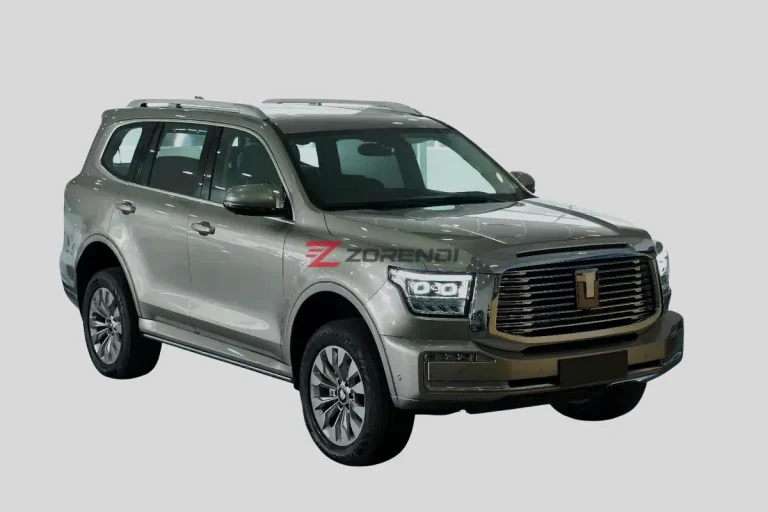
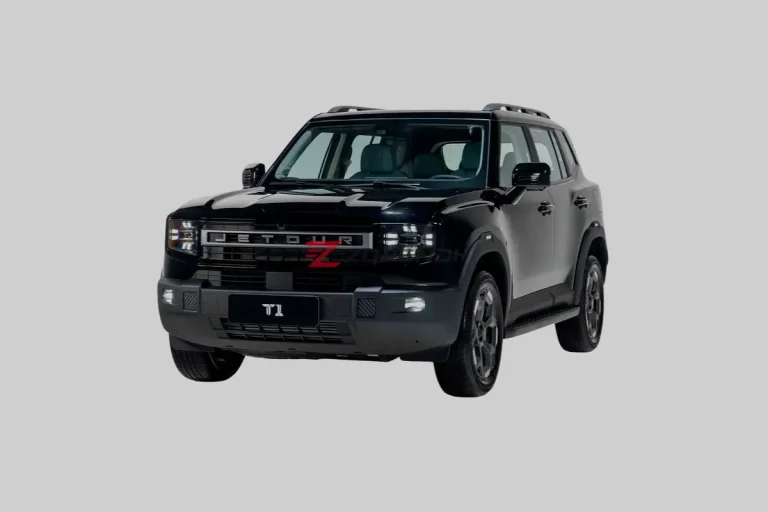
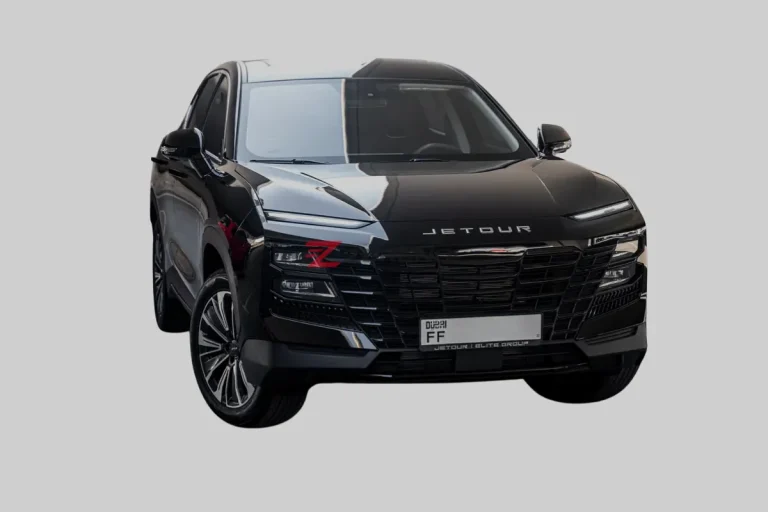
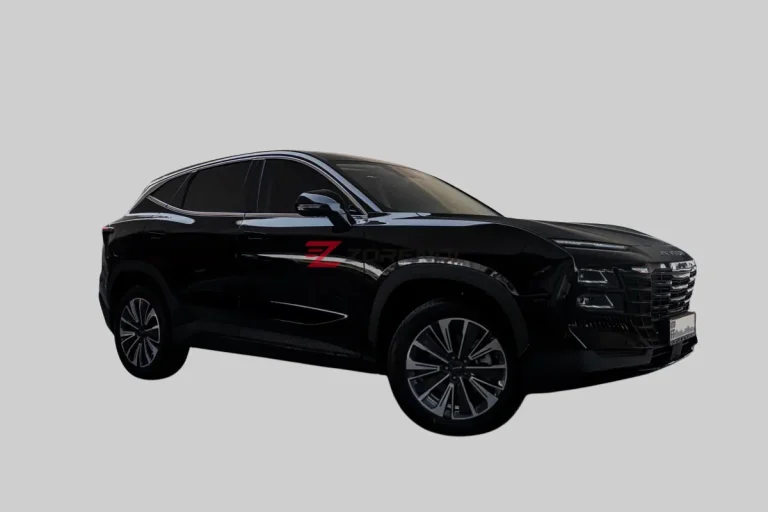
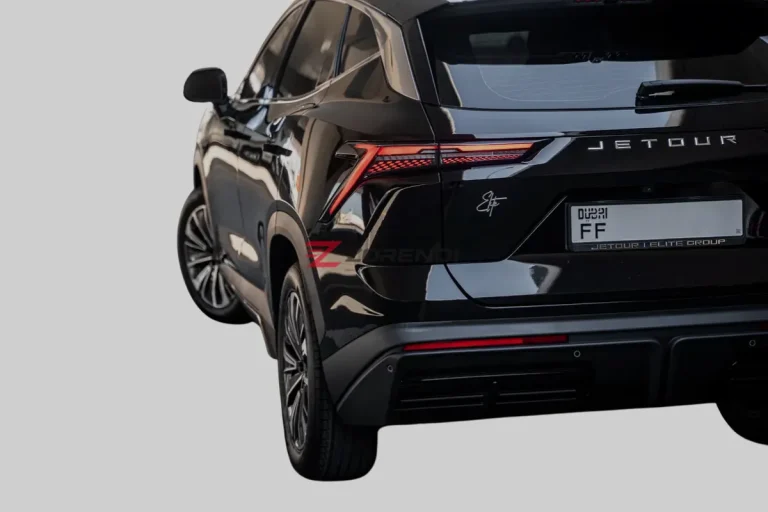
A car can carry passengers, weekly shopping, luggage and work equipment without requiring a second transport plan. It also remains usable during extreme heat, rain, dusty conditions and occasions when formal clothing is required.
A motorcycle is much more specialised. It may handle the solo commute efficiently, then become impractical when you need to collect someone from the airport, carry a child, transport bulky items or arrive without changing clothes.
Think about the journeys outside your normal office route. Someone who already has access to a household car may find a motorcycle useful as a second vehicle. Someone buying a single vehicle to cover every part of daily life will usually get more value from a car, even though it costs more upfront.
Browse More: Cars for sale
Slow traffic can reduce impact speed, but it creates other hazards. Drivers may change lanes suddenly, open doors, move toward an exit or fail to notice a motorcycle sitting beside them.
RTA’s guidance tells riders not to rely on other road users seeing them, even when wearing visible clothing or attempting eye contact. It also recommends a minimum three-second following gap in normal conditions and more space on high-speed, sandy, slippery or uneven roads.
A car provides a protective body structure, seat belts, airbags and a larger visible presence. The motorcycle gives the rider better forward visibility in some situations, but it offers far less physical protection if another road user makes a mistake.
This does not mean every motorcycle commute is reckless. It means riding skill, equipment and route selection matter much more than they do when choosing between two ordinary cars.

For a used motorcycle, check for scraped engine covers, damaged bar ends, bent levers, misaligned panels and paint differences that may indicate a previous fall. Look for fork-seal leaks, irregular tyre wear, worn chain and sprockets, cooling-fan problems and incomplete service records.
Confirm that the chassis and engine numbers match the registration documents. Ask whether the motorcycle is a GCC specification model, whether ABS is fitted and whether any exhaust, lighting or engine modifications have been approved and declared to the insurer.
For a used car, test the air conditioning while the vehicle is fully warm, not only during a short cold start. Check the cooling system, battery condition, tyre age, accident history and service records. A cheap car with weak air conditioning or unresolved cooling problems is a particularly poor purchase for a Dubai commute.
In both cases, obtain an insurance quotation before paying a deposit. The buyer’s age, licence history, vehicle type and coverage level can change the cost enough to affect the comparison.
Choose a motorcycle if you normally travel alone, have a short or medium urban commute, can wear full protective equipment and have secure parking at both ends. It makes even more sense as a second vehicle rather than the only transport available to the household.
Choose a car if the commute includes long high-speed roads, you need year-round climate protection or the vehicle must carry passengers and luggage. The slower movement through congestion is the price paid for greater safety, comfort and flexibility.
Do not buy a motorcycle solely because you expect to pass every queue. Choose it because the entire riding routine, including the heat, equipment, road exposure and limited carrying capacity, fits your daily life.
This article was prepared using official information from RTA Dubai, Honda UAE, and Toyota UAE
Zorendi Editorial Team is the editorial team behind Zorendi, covering cars, motorcycles, luxury vehicles, automotive technology, and mobility trends across the UAE and international markets.
Our articles are developed through research, comparison of reliable sources, official manufacturer information, vehicle specifications, and relevant market data. The team focuses on creating clear, practical, and regularly reviewed content to help readers better understand new models, specifications, technologies, ownership considerations, and developments across the automotive industry.
Zorendi Editorial Team aims to present information in a straightforward and useful way, with an emphasis on accuracy, relevance, and providing readers with the context they need when researching vehicles and mobility-related topics.
Word list
×
Dave36
May 23, 2025 at 8:52 pmI’ve tried both a motorcycle and a car in Dubai traffic. The motorcycle is definitely faster, especially in peak hours, and cheaper on fuel. But, in the summer heat, a car with air conditioning feels way more comfortable. It really depends on the situation, but both have their perks!