

Price
1299000
1299000
Dubai, United Arab Emirates
+971523438143
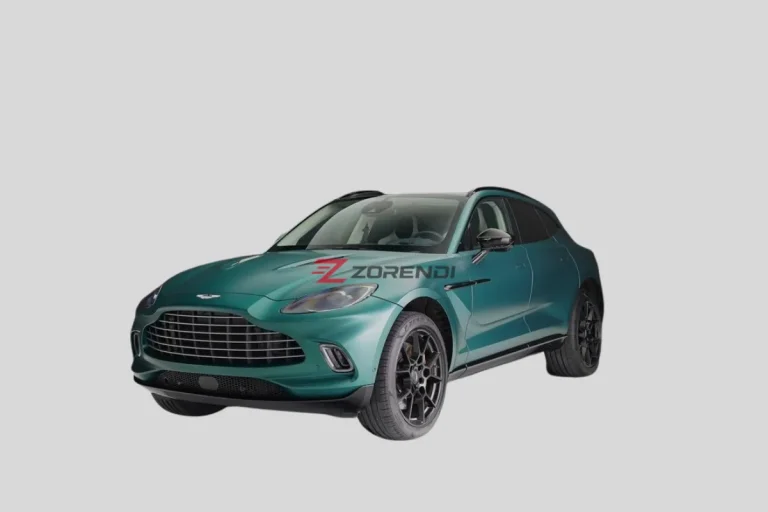
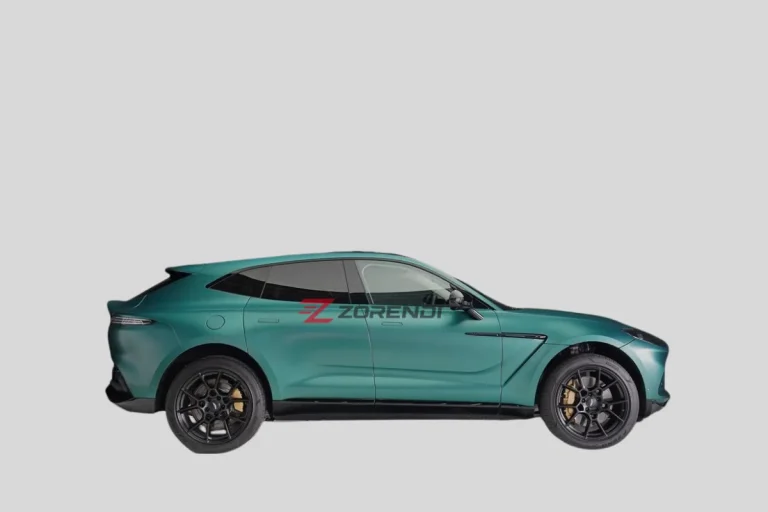
2025 Lamborghini Urus
You see a lot of fast cars in Dubai. That part isn’t new. What changes is how they sit in traffic.
The Lamborghini Urus doesn’t sit quietly. Even when it’s parked, it feels like it’s interrupting something. Not loud in an obvious way. Just… present. You notice it without trying.
And that’s really where its position in this market starts to make sense.
SUVs dominate here. That’s obvious the moment you spend a few days driving around. Range Rovers, G-Wagons, Cayennes. They’re everywhere.
The Urus enters that same space, but it doesn’t behave the same way.
It’s lower. Tighter. Less forgiving in how it rides over speed bumps and rough patches. But at the same time, it feels far more connected to the road. Almost like it doesn’t fully accept that it’s an SUV.
That’s where things shift. You’re not really cross-shopping it with a typical luxury SUV anymore. You’re comparing it to something closer to a supercar that happens to have four doors.
And in Dubai, that kind of identity works. For some people, more than others.
You don’t really understand the Urus until you drive it in this city.
Early morning, empty roads, long visibility. That’s when it clicks. The V8 pulls hard, but not in a chaotic way. It builds speed with a kind of calm aggression. You press, it responds. No hesitation.
But then the city wakes up.
Traffic slows everything down. Heat builds up. That sharp, controlled feeling becomes something heavier. Not worse, just… different. You start noticing the width, the attention it draws, the way people react around you.
It’s not tiring. But it’s not invisible either.
And that’s part of living with it here.
If you’ve been browsing Lamborghini Urus for sale in Dubai, you’ve probably noticed how similar most listings look.
Low mileage. Clean photos. Almost identical descriptions.
But they’re not the same cars.
Some of them have been driven hard. You can’t always see it, but you feel it. Slight wear on the interior, subtle differences in how the gearbox responds, small things that don’t show up in pictures.
Others look older than they should. Especially certain imported units.
That’s where specs start to matter in a quiet way. GCC cars tend to age better here. Not always, but often enough that people notice. Imported cars can look perfect in photos, then feel slightly off in person.
And mileage… that’s rarely the full story.
You’ll find a 60,000 km Urus that feels tighter than one with 20,000. That’s not unusual here.
At first glance, the market looks scattered.
Older models from 2019 to 2020 usually sit somewhere between 850,000 to just over 1 million AED depending on condition and spec. Move into 2021 and 2022, and things climb closer to 1.1 to 1.3 million.
Newer units like a 2025 model with ultra-low mileage around 350 km, especially in standout specs, can push into the 1.5 to 1.7 million AED range.
It looks like a big gap.
But once you start comparing properly, it tightens. Spec, condition, and history matter more than the year alone. Two cars from the same year can feel like completely different purchases.
That’s usually where people get surprised.
Owning a Urus in Dubai isn’t just about buying it.
Annual maintenance isn’t extreme for this level, but it’s not light either. You’re realistically looking at 8,000 to 15,000 AED per year depending on usage. More if you drive it the way it was meant to be driven.
Tires don’t last long. That’s just the nature of it. Insurance can sit anywhere between 20,000 to 35,000 AED depending on profile.
Fuel isn’t the concern. It’s everything around it.
But if you’re already in this segment, none of that is surprising. It’s expected. It’s part of the experience.
Here’s where things get more interesting.
The first drop happens quickly. That’s normal. A new Urus loses a noticeable chunk once it hits the secondary market.
But after that, it depends.
Well-kept cars with the right spec tend to stabilize. Not fully, but enough that they don’t keep sliding aggressively. Especially in Dubai, where demand for high-end SUVs stays consistent.
Less desirable specs, or cars with unclear history, behave differently. They sit longer. Prices soften quietly. Sellers adjust in small steps.
You don’t always see it unless you’ve been watching the same listings for a while.
Spending time going through used Lamborghini Urus UAE listings does something subtle.
At first, everything looks the same. Then patterns start forming. Certain colors move faster. Certain price points keep repeating. Some cars disappear quickly. Others just stay there.
That’s usually when clarity starts to build.
Zorendi makes that easier, not because it tells you what’s right, but because it lets you see enough variation to start understanding the market on your own.
And with something like a Urus, that matters more than any single listing.
Because the difference between two “identical” cars here isn’t obvious at first glance. It shows up later.