
Ferrari F76 Concept Technical & Design Review
- Car Blog
- Car Review
-
Dec 22
-
6 min read
- Share post
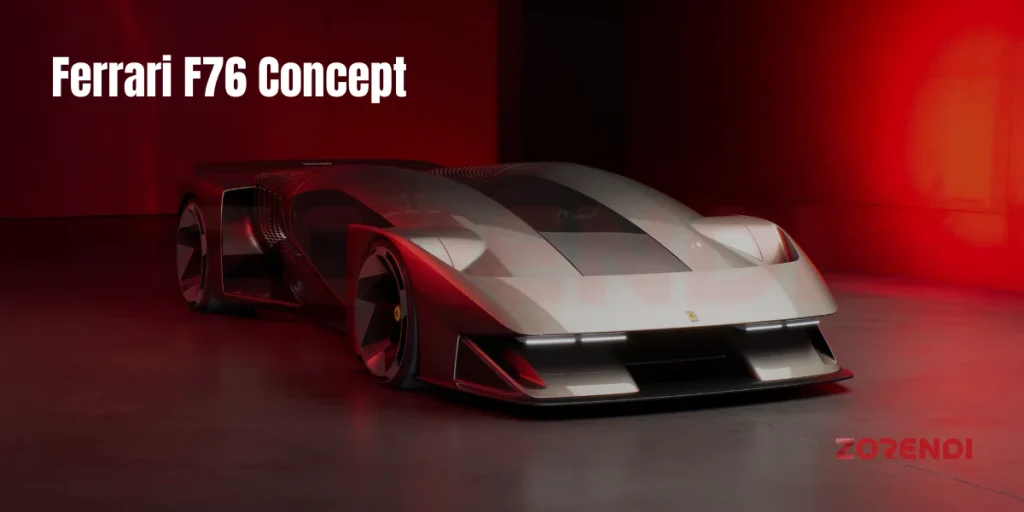
If you spend any time browsing Cars for Sale, you quickly realize that most modern performance cars are iterations, not revolutions. That is exactly why the 2026 Ferrari F76 caught my attention. From the moment I started analyzing this concept, it was clear that Ferrari was not trying to please everyone. Instead, they used the F76 as a technical statement, almost a quiet manifesto about where Maranello believes high performance engineering should go next.
I am writing this review not as a fanboy and not as a poet. I am writing it as someone who has studied performance cars long enough to recognize when a concept is just design theater and when it is a serious engineering exercise. The 2026 Ferrari F76 belongs firmly in the second category.
Design
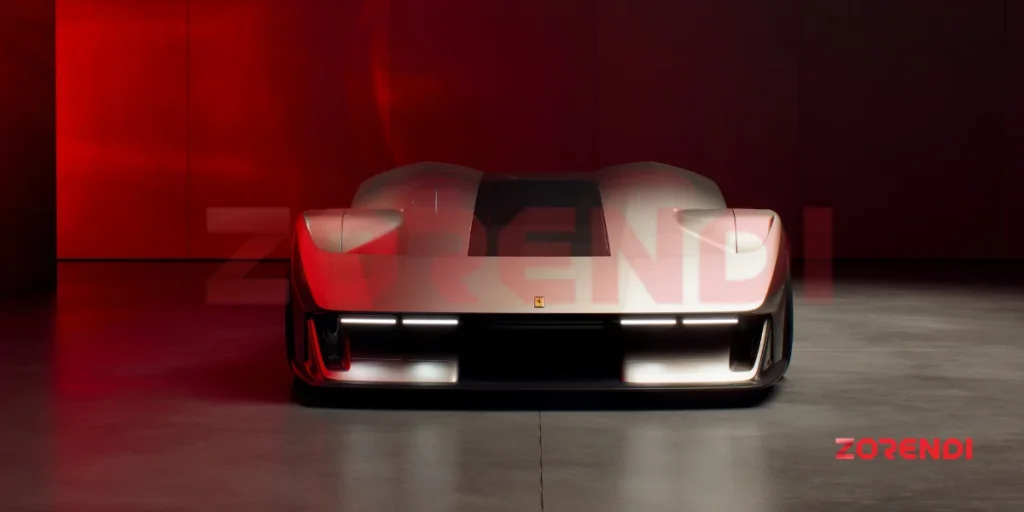
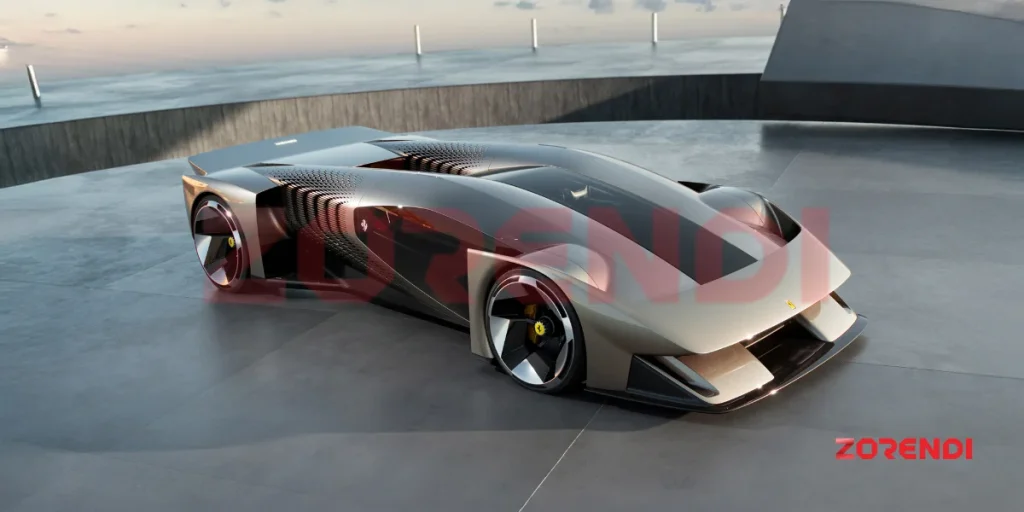
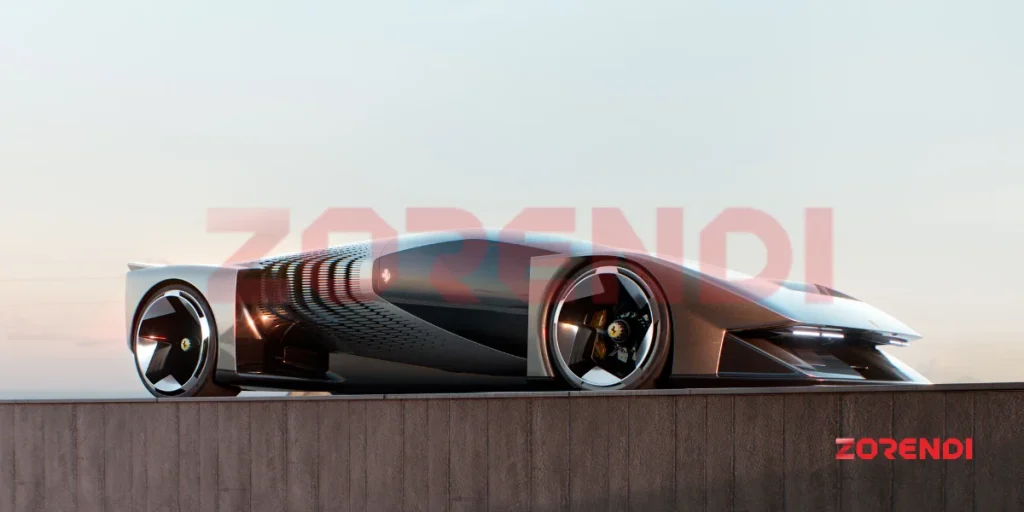
The exterior design of the 2026 Ferrari F76 looks dramatic at first glance, but the drama is functional. Every surface has a clear aerodynamic purpose. Ferrari designers moved away from aggressive visual tricks and instead focused on pressure management. The front section channels air through deep vertical intakes that reduce lift without relying on oversized splitters.
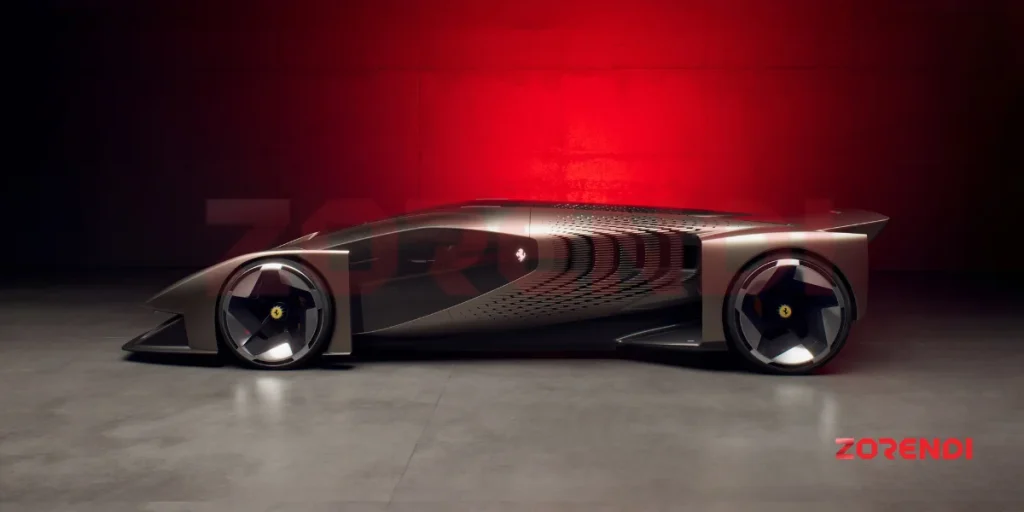
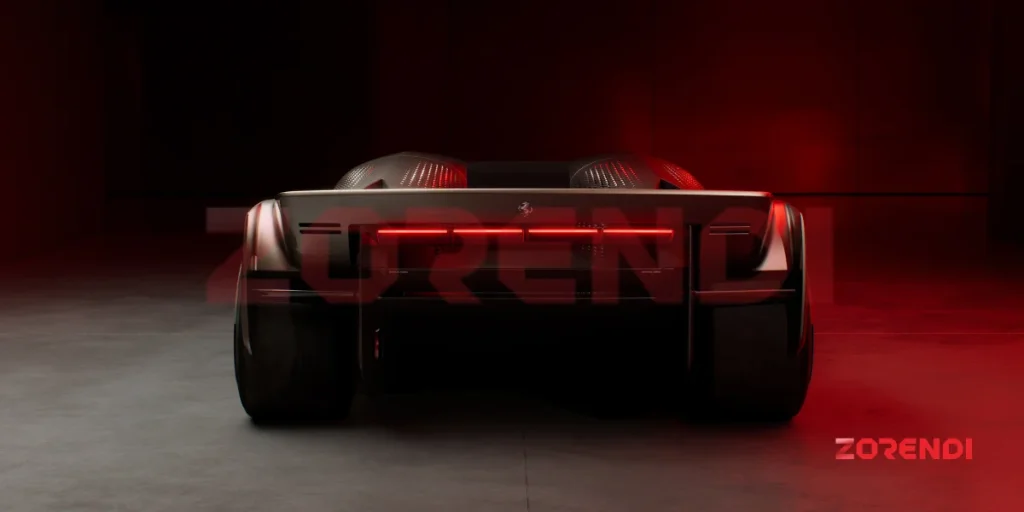
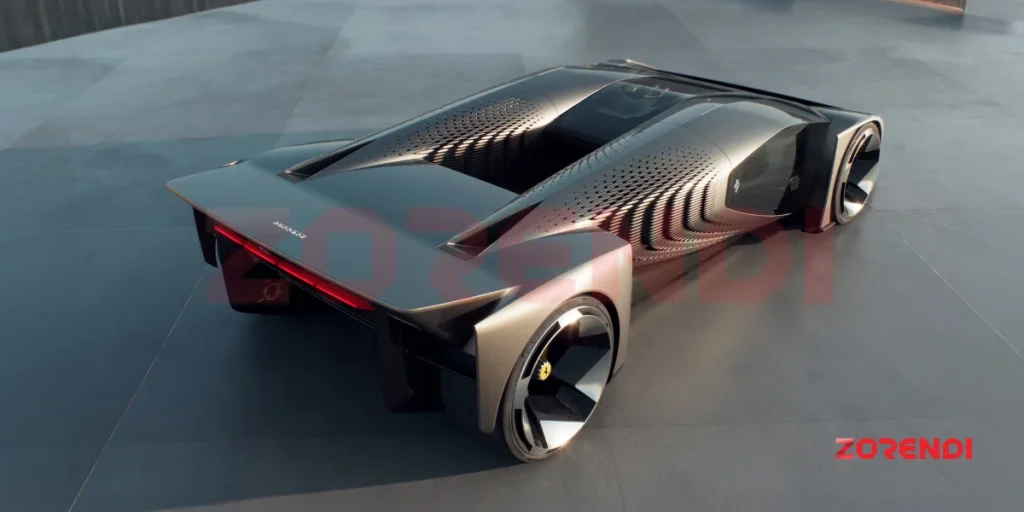
What impressed me most is how restrained the car feels despite its futuristic language. This is not a loud concept. It is precise. The rear haunches are shaped to guide airflow into the active diffuser, and the roofline is optimized to feed the rear cooling ducts. Nothing feels random or decorative.
Interior Architecture
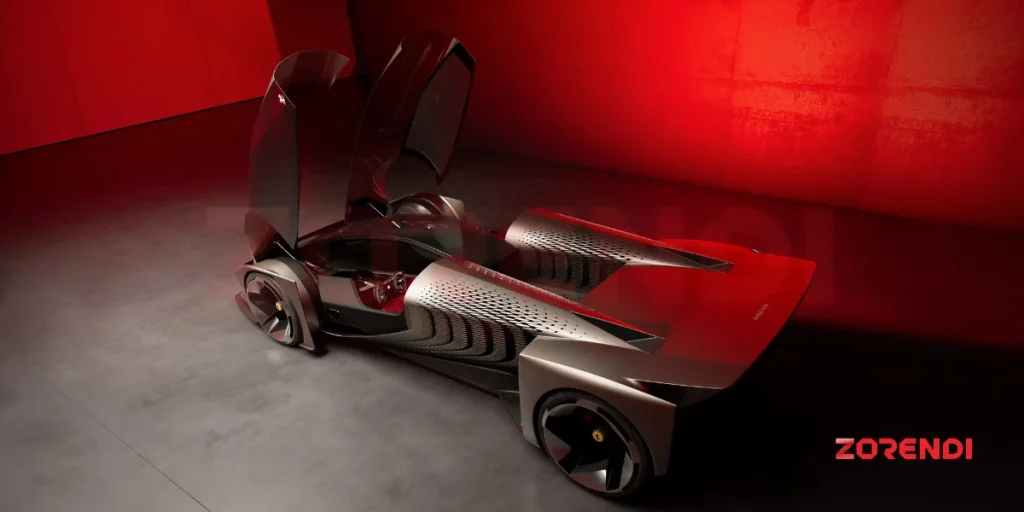
Inside the 2026 Ferrari F76, the design philosophy changes subtly but decisively. Ferrari avoided the temptation to overwhelm the driver with oversized displays. Instead, the cockpit is structured around tactile controls and clear sightlines. The steering wheel integrates haptic feedback rather than touch-only buttons, which makes sense in a car expected to handle extreme lateral forces.
The seating position is lower than current Ferrari road cars, closer to a prototype racer than a GT. I noticed that visibility was clearly prioritized, especially through the A-pillars, which are thinner than expected thanks to carbon composite reinforcement.
Powertrain Concept
The 2026 Ferrari F76 concept introduces a hybrid system that feels deliberately restrained. Instead of chasing extreme electric-only range, Ferrari focused on response and consistency. The internal combustion engine is a compact twin-turbo V6 mounted low and rearward, paired with a high-output electric motor integrated into the transmission.
Total system output is rumored to exceed 850 horsepower, but raw numbers are not the story here. Torque delivery is linear, not explosive. Ferrari engineers tuned the electric assist to fill turbo lag rather than dominate acceleration. The result is a power curve that feels predictable and usable.
One Ferrari engineer described it as “controlled violence,” which honestly fits better than any marketing phrase.
Chassis and Materials
Ferrari did not take shortcuts with the 2026 Ferrari F76 chassis. The structure combines carbon fiber, aluminum-lithium alloys, and 3D-printed titanium joints. This hybrid approach allows strength exactly where needed without unnecessary mass elsewhere.
The suspension uses an advanced pushrod setup with adaptive dampers, but what matters more is how the geometry was optimized for mechanical grip before electronic intervention. This is a car designed to communicate through the steering wheel, not correct mistakes invisibly.
Aerodynamics
Active aerodynamics on the 2026 Ferrari F76 are not just there to look advanced. The front aero flaps adjust based on steering angle and braking force, not speed alone. At the rear, the diffuser changes geometry depending on throttle position, allowing stability without excessive drag.
This approach suggests Ferrari is moving away from one-size-fits-all aero solutions. Instead, the car adapts to how it is being driven in real time. That level of integration requires serious software development, and Ferrari appears fully committed.
Performance Expectations
Ferrari has not released official performance figures, but internal estimates place the 2026 Ferrari F76 in supercar territory even by modern standards. Zero to one hundred kilometers per hour is expected in under three seconds, but more interesting is sustained performance.
Thermal management seems to be a core focus. Cooling channels are integrated into the body structure, not added later. This suggests the car is designed to perform lap after lap without power degradation.
I would not be surprised if this platform eventually supports a limited production model priced north of 700,000 dollars, placing it well above typical Ferrari offerings.
Market Position
The 2026 Ferrari F76 does not neatly fit into Ferrari’s current lineup. It sits somewhere between a halo car and a testbed. If it ever reaches production, it would likely be extremely limited. Think of it less as something you casually browse under Ferrari for Sale listings and more as a collector-level machine.
Its real value lies in what it teaches Ferrari internally. Many of its solutions will almost certainly trickle down into future road cars.
Conclusion
After studying the 2026 Ferrari F76 in detail, I can say this confidently. This is not a styling exercise, and it is not nostalgia bait. It is a forward-looking engineering platform disguised as a concept car. Ferrari did not overpromise, and they did not oversell.
There are still unkowns, and some details remain intentionally vague, but the foundation is solid. If Ferrari follows through, the ideas behind the 2026 Ferrari F76 will shape the brand for the next decade. And honestly, that is exactly what a concept car should do.
Frequently Asked Questions
Is the 2026 Ferrari F76 a production car?
At this stage, the 2026 Ferrari F76 is a concept only. Ferrari has not confirmed production, but elements of its design and technology are expected to appear in future models.
What engine does the Ferrari F76 use?
The concept features a hybrid powertrain built around a twin-turbo V6 combined with an electric motor focused on performance rather than efficiency.
How much would the Ferrari F76 cost if produced?
If it reaches production, estimates suggest a price well above 700,000 dollars due to its materials, technology, and limited volume.
Why is the Ferrari F76 important for Ferrari’s future?
The 2026 Ferrari F76 acts as a technical laboratory. Its chassis, aero systems, and hybrid integration will likely influence Ferrari road cars well into the late 2020s.
ALSO READ : First Look Review 2026 Honda Prelude
