Dodge Challenger SRT: The Most Savage King of Asphalt
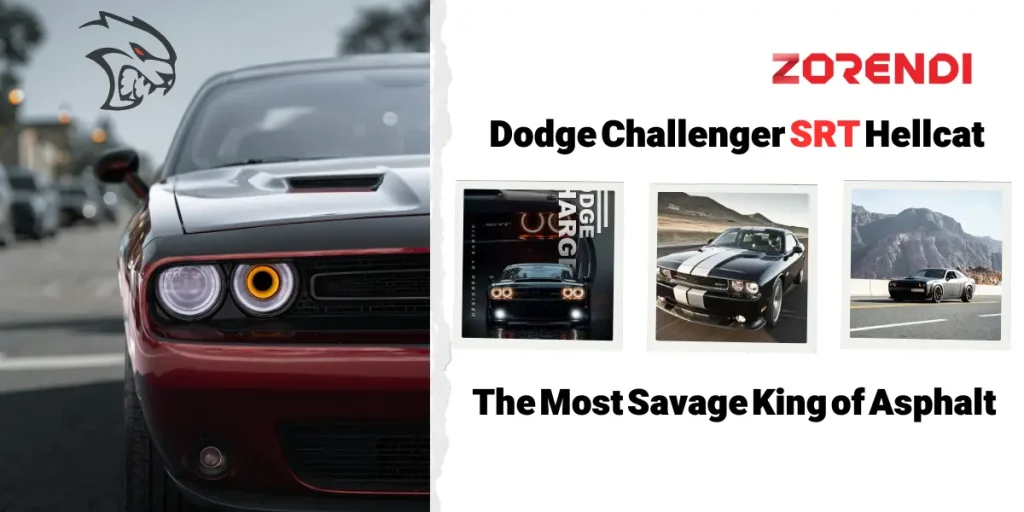
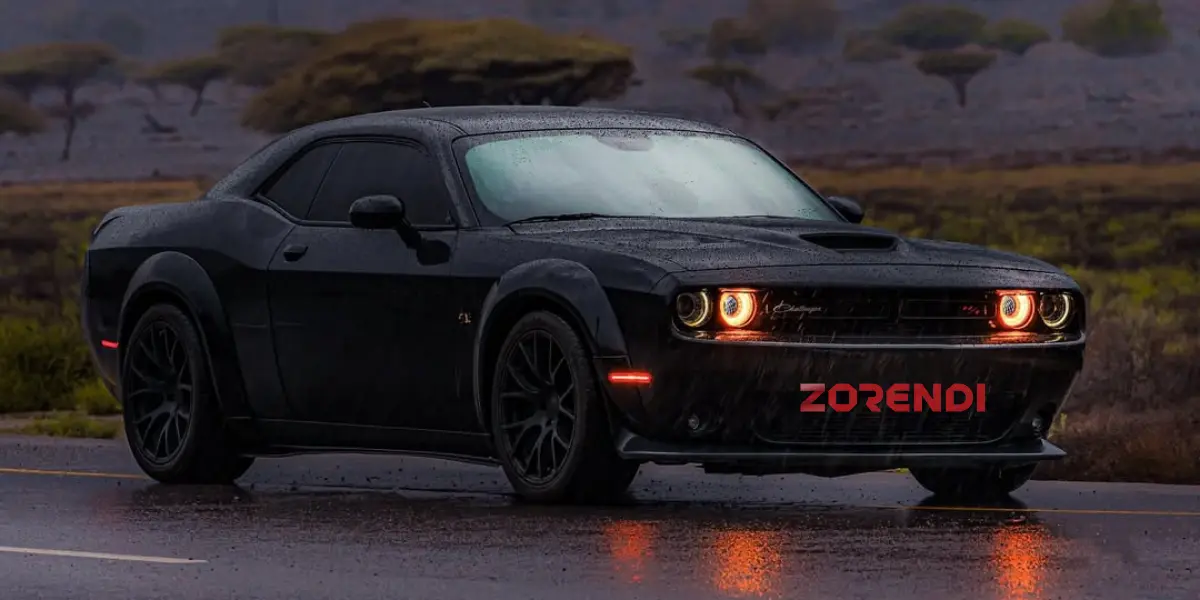
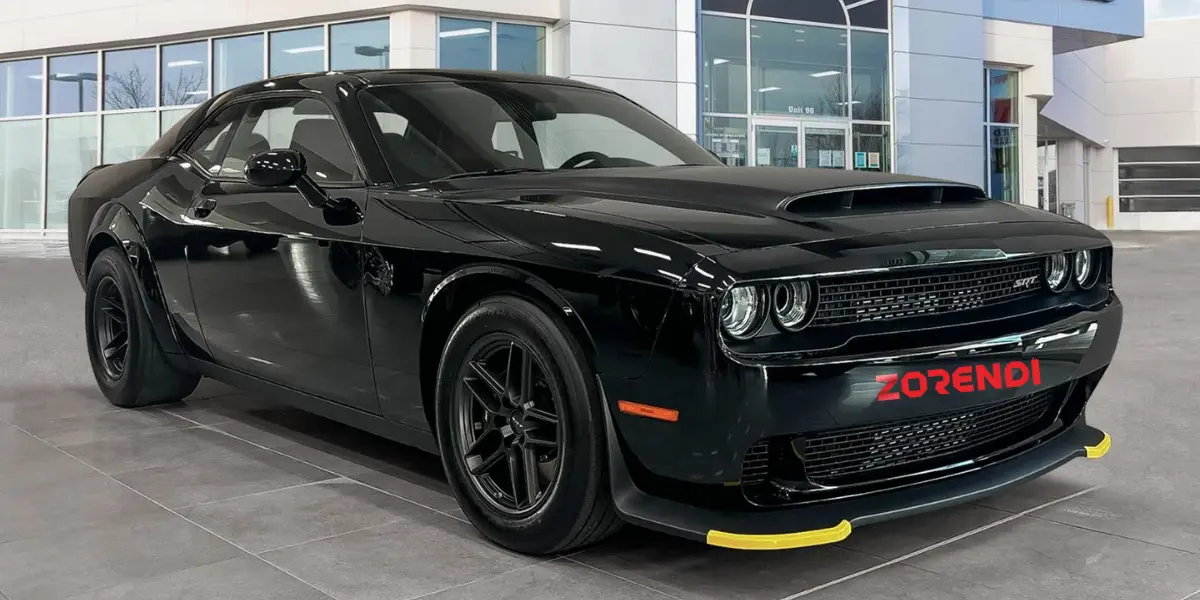
I’ve been a gearhead for as long as I can remember, the kind of guy who’d rather spend a Saturday night under the hood of a car than anywhere else. Growing up, my buddies and I would cruise the backroads in our beat-up muscle cars, dreaming of the day we’d get behind the wheel of something truly monstrous. The Dodge Challenger SRT Hellcat was always that dream—the kind of car that doesn’t just turn heads but snaps necks with its raw, unapologetic power. The first time I saw one in person, at a car show in Dubai no less, its menacing grille and widebody stance hit me like a punch to the chest. I knew I was staring at a legend. This isn’t just a car; it’s a statement, a middle finger to subtlety, and a love letter to the golden age of American muscle. With 797 horsepower under the hood, the Hellcat isn’t here to play nice—it’s here to dominate.

In this article, I’m diving deep into the Dodge Challenger SRT Hellcat, a machine that’s as much a cultural icon as it is a feat of engineering. I’ll break down its evolution, lineage, technical wizardry, design ethos, and how it stacks up against its rivals. I’ll also share stories from my own experiences and those of my car-obsessed friends, because the Hellcat isn’t just about specs—it’s about the feeling it ignites in your soul. Buckle up, because this is going to be one hell of a ride.

The King of Asphalt Anarchy

The Dodge Challenger SRT Hellcat is the embodiment of everything I love about muscle cars: raw power, unfiltered attitude, and a design that screams rebellion. I remember the first time I got to drive one, courtesy of my friend Omar, who’d just imported a 2020 Redeye Widebody to Dubai. The moment I pressed the pedal, the supercharged 6.2L HEMI V8 roared to life, and I was pinned to the seat like I’d been launched from a catapult. It wasn’t just acceleration; it was a visceral assault on my senses. The Hellcat doesn’t just move; it obliterates the road beneath it.

This car isn’t for the faint of heart. With 797 horsepower in the Redeye variant, it’s a beast that demands respect. Its supercharged V8 produces 707 lb-ft of torque, enough to make the rear tires beg for mercy. Whether you’re launching from a standstill or cruising at triple-digit speeds, the Hellcat delivers a driving experience that’s equal parts exhilarating and terrifying. It’s no wonder enthusiasts like me, who’ve spent years chasing horsepower, see it as the pinnacle of modern muscle.

For those looking to Dodge for sale , the Hellcat is a rare gem. The city’s car culture thrives on bold, high-performance machines, and the Challenger SRT fits right in among the supercars and hypercars prowling Sheikh Zayed Road. But what makes this car so special? Let’s dive into its roots.

Evolution of the Challenger

The Dodge Challenger’s story is one of resilience. When the first-generation Challenger hit the scene in 1970, it was Dodge’s answer to the Ford Mustang and Chevrolet Camaro. Designed by Carl Cameron, it was a pony car with a mean streak, offering engines like the legendary 426 HEMI. My uncle, a lifelong Mopar fan, used to regale me with stories of his ‘71 Challenger R/T, a car he swore could outrun anything on the street. Sales were strong initially, with 76,925 units sold in its debut year, but the oil crisis and changing market tastes killed the first generation by 1974.

The second generation (1978–1983) was a letdown—a rebadged Mitsubishi Galant Lambda that lacked the soul of its predecessor. It wasn’t until 2008 that Dodge revived the Challenger as a full-size muscle car, built on the Chrysler LX platform. This third generation, which ran until 2023, brought back the retro-inspired design that made my heart skip a beat. The SRT Hellcat, introduced in 2015, was the game-changer. With 707 hp in its base form, it redefined what a muscle car could be. By 2023, the Redeye Widebody Jailbreak pushed the envelope to 807 hp, cementing the Hellcat’s place as a legend.

I’ll never forget the day my buddy Khaled showed up with his 2015 Hellcat. He’d just gotten it tuned at a shop in Sharjah, and we took it to a closed track outside Dubai. The way it chewed up the asphalt was unreal—like a lion pouncing on prey. The evolution from that ‘70s pony car to today’s Hellcat is a testament to Dodge’s refusal to compromise on power or personality.

Dodge Challenger SRT Lineage

The SRT (Street and Racing Technology) badge is Dodge’s seal of performance, and the Hellcat is its crown jewel. The lineage started with the 2015 Challenger SRT Hellcat, packing a supercharged 6.2L HEMI V8 with 707 hp and 650 lb-ft of torque. Over the years, Dodge kept pushing the limits. The 2018 Demon upped the ante with 840 hp on race fuel, followed by the Redeye (797 hp) and Super Stock (807 hp). Each variant was a love letter to drag racing, with features like drag radials and line-lock systems.

My friend Ali, who runs a performance shop in Abu Dhabi, once told me about a customer who brought in a Redeye for a custom tune. They hit 850 hp on the dyno, and Ali swore the car for sale felt like it could outrun a jet. The Jailbreak package, introduced in 2023, let owners customize everything from paint to badging, making each Hellcat a unique beast. The “Last Call” plaques on 2023 models marked the end of an era, as Dodge shifts toward electrified performance.

The Hellcat’s lineage isn’t just about power; it’s about attitude. Every model, from the base Hellcat to the Super Stock, carries the same defiant spirit. It’s why I’ve spent countless nights debating with my car club buddies over which variant reigns supreme. Spoiler: it’s usually the Redeye Widebody for its balance of power and handling.

Engine Specifications

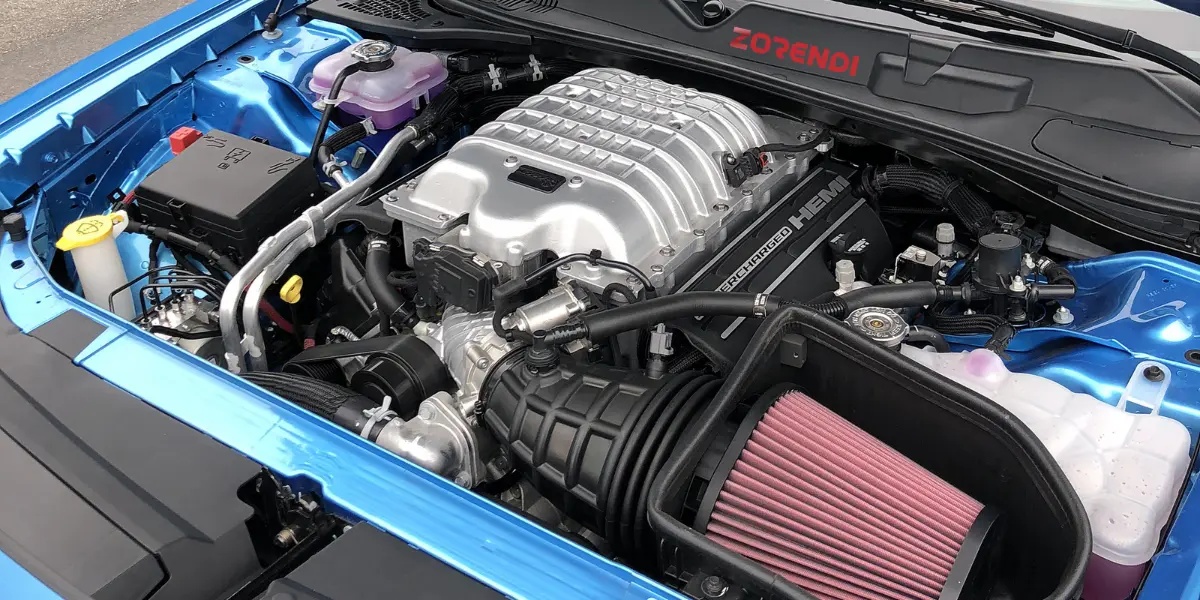
Let’s get technical, because the Hellcat’s supercharged 6.2L HEMI V8 is a masterpiece of engineering. This 376-cubic-inch (6,166 cc) monster uses an IHI twin-screw supercharger, with the Redeye’s 2.7-liter unit pumping out 14.5 psi of boost. The result? 797 hp at 6,300 rpm and 707 lb-ft of torque at 4,500 rpm. The standard Hellcat’s 2.4-liter supercharger produces 11.6 psi, delivering 717 hp and 656 lb-ft.

Here’s a breakdown of the Redeye’s key specs:

SpecificationValue
Engine TypeSupercharged 6.2L HEMI V8
Displacement6,166 cc (376 cu in)
Horsepower797 hp @ 6,300 rpm (Redeye)
Torque707 lb-ft @ 4,500 rpm
Supercharger2.7L IHI twin-screw, 14.5 psi boost
Compression Ratio9.5:1
Fuel SystemSequential multi-port fuel injection
Transmission8-speed TorqueFlite automatic or 6-speed TREMEC manual
0–60 mph3.4 seconds (Redeye Widebody)
Quarter-Mile11.8 seconds @ 125 mph (Redeye Widebody)
Top Speed203 mph (Redeye Widebody)
Curb Weight4,415 lb (2,003 kg)
Base MSRP (2023)$87,295 (Redeye Widebody Jailbreak)
Fuel Economy13 mpg city / 22 mpg highway

The engine’s internals are built to withstand Armageddon. Forged steel crankshafts, powder-forged connecting rods, and high-strength pistons ensure durability under extreme conditions. The SRT Power Chiller, which uses the car’s A/C system to cool intake air, boosts combustion efficiency by up to 10%. My friend Sami, who races his Hellcat at Yas Marina, says the Power Chiller makes a noticeable difference in hot Middle Eastern climates.

The transmission options are equally impressive. The 8-speed TorqueFlite automatic shifts with surgical precision, while the 6-speed TREMEC manual is a purist’s dream. I’ve driven both, and while the manual’s clutch is heavy, it’s worth it for the raw connection to the car. The Redeye’s cooling system, with a 21-quart capacity, keeps things under control during hard launches. This isn’t just an engine; it’s a symphony of power.

High-Performance Design

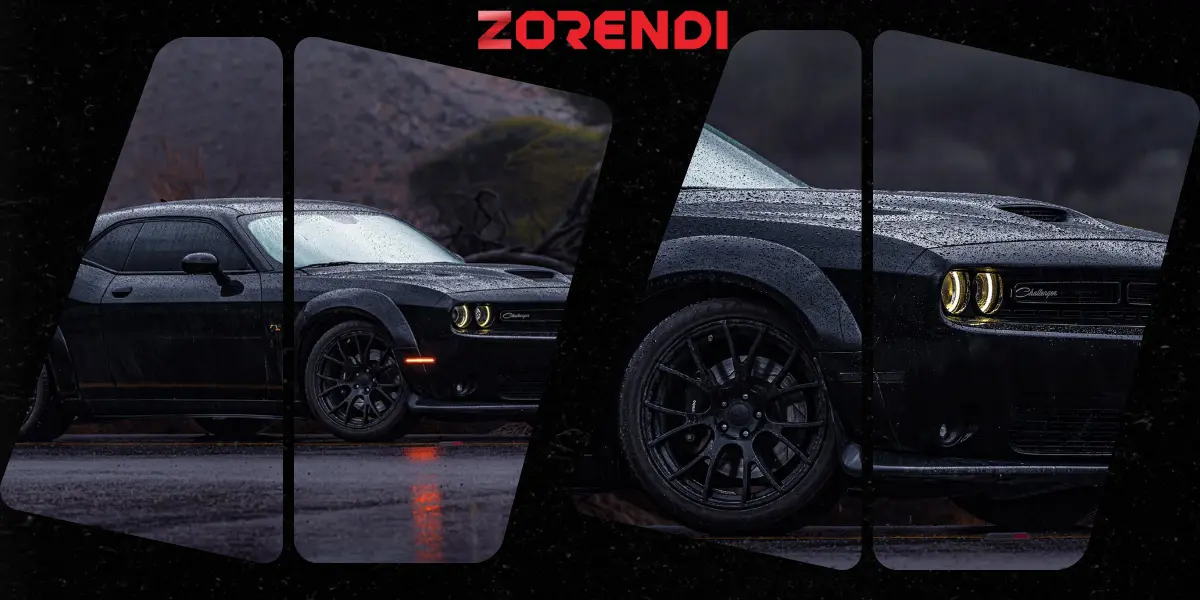
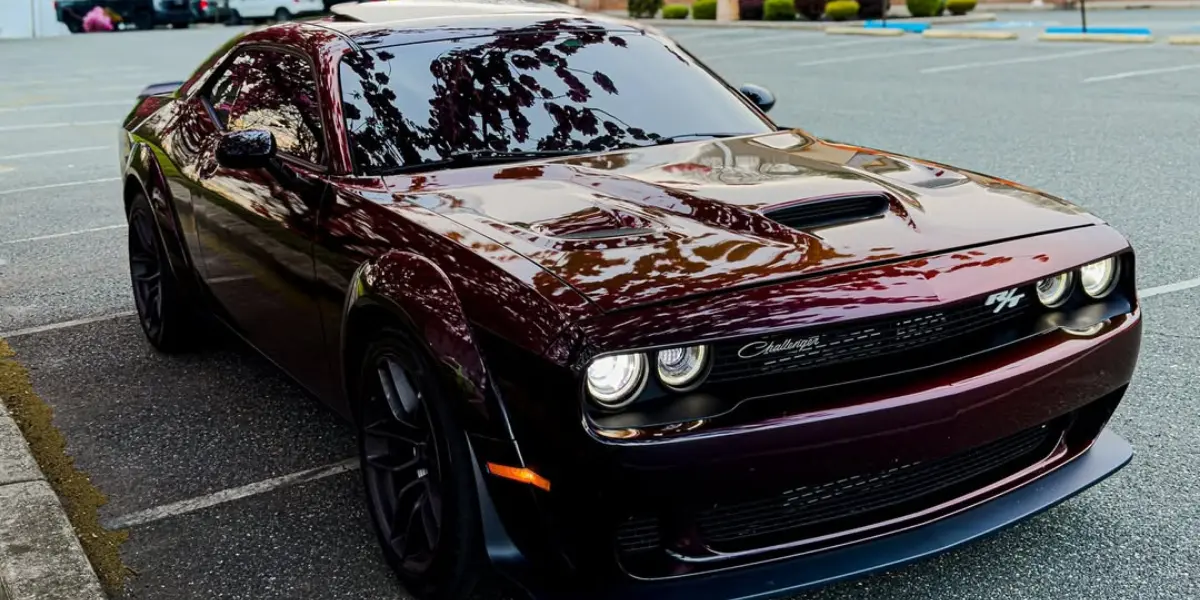
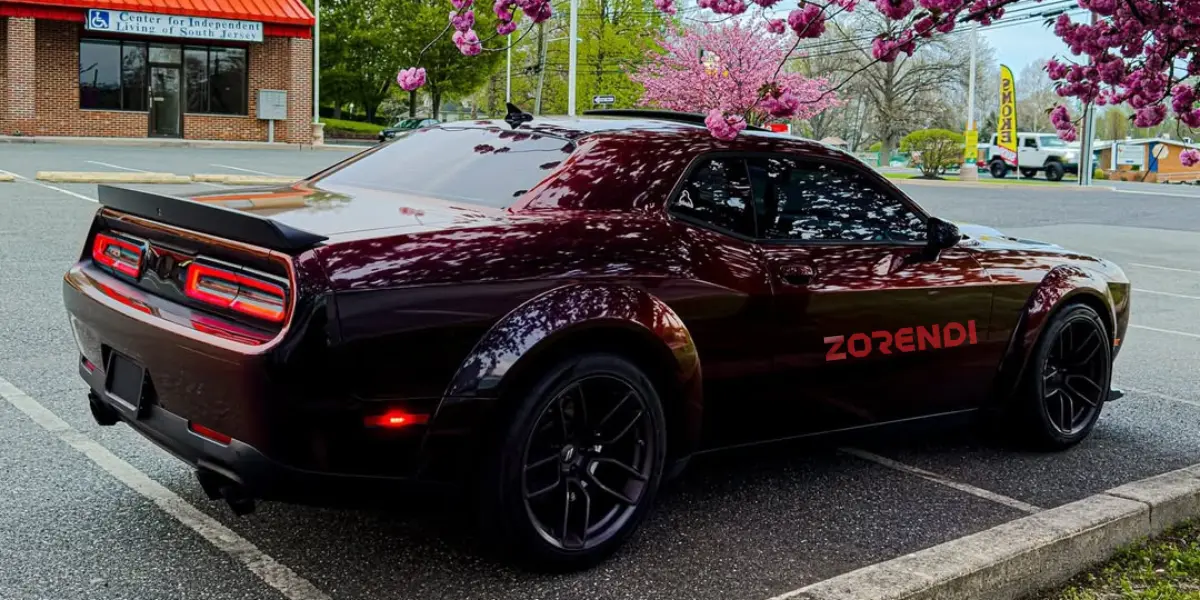
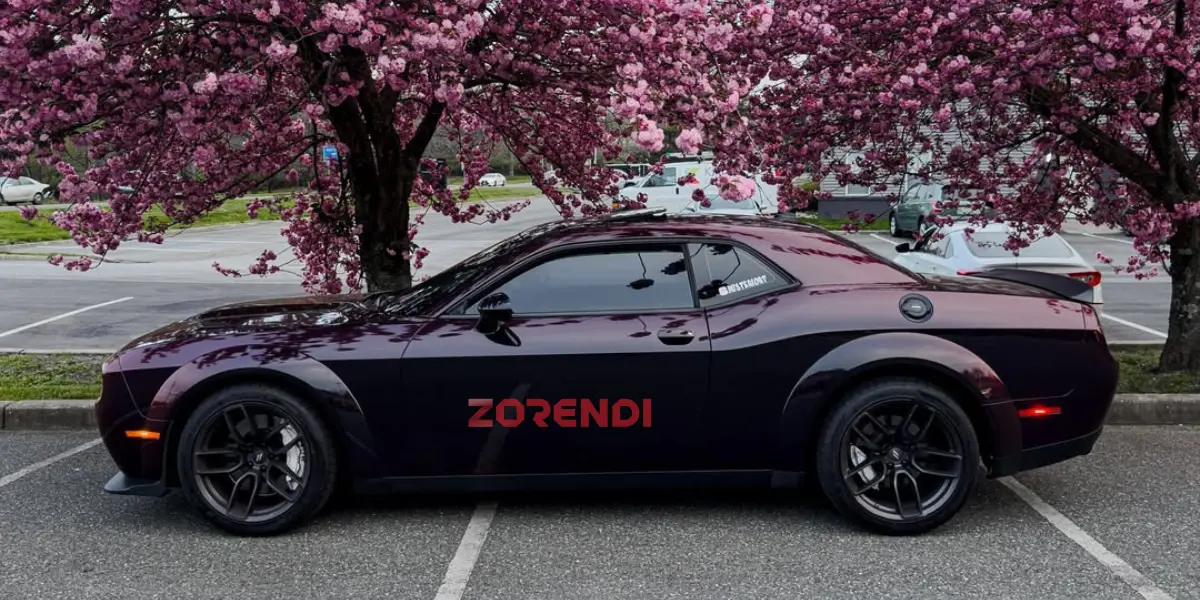
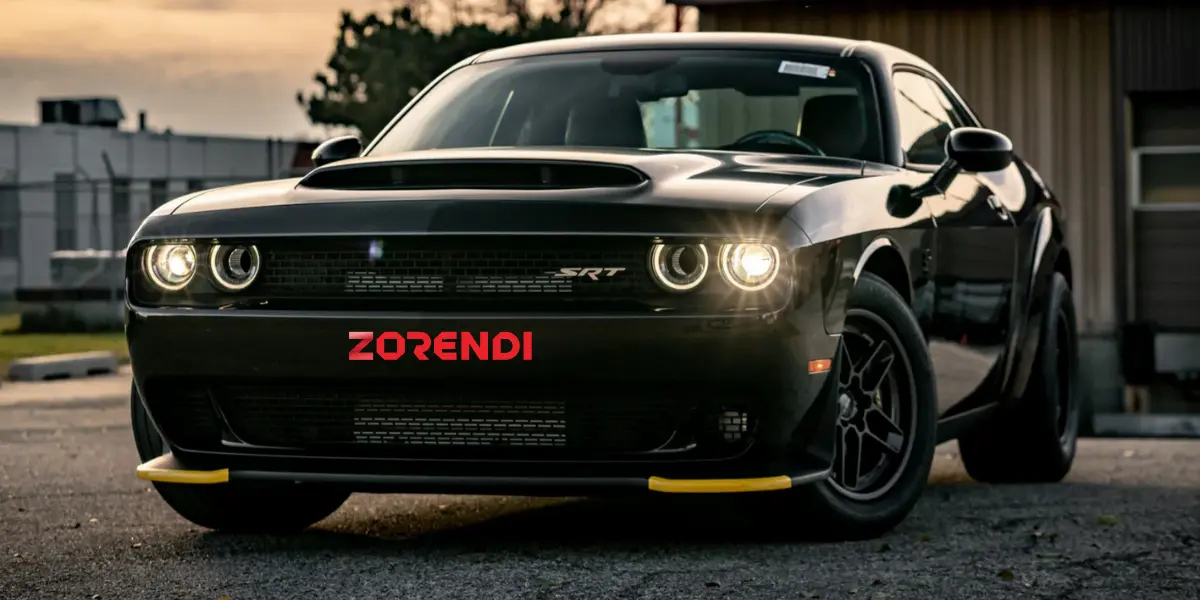
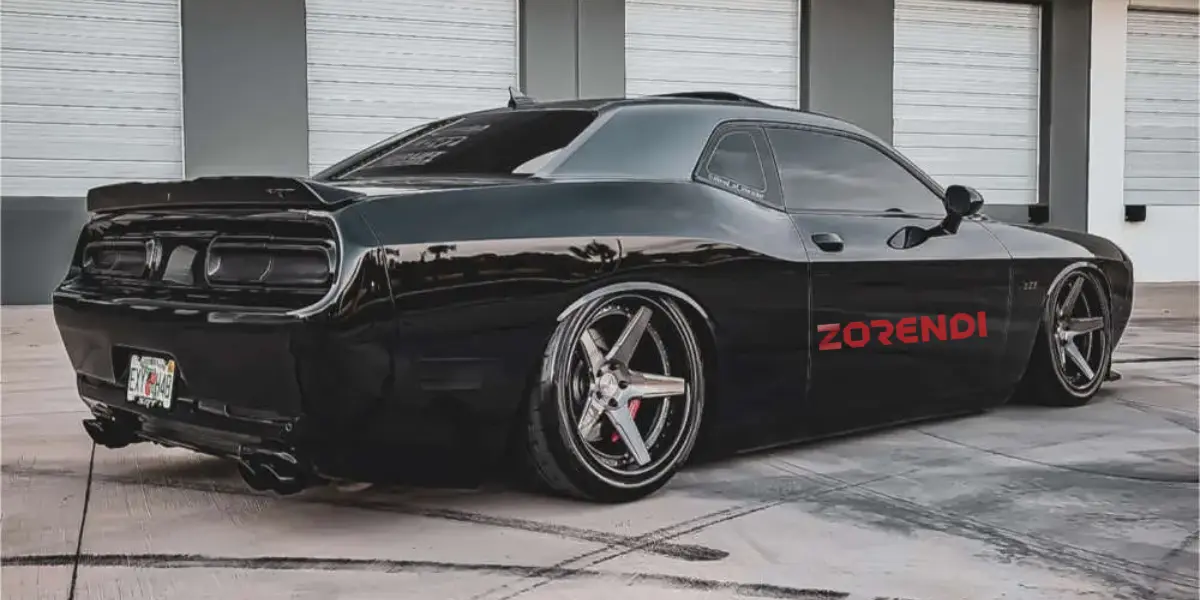
The Hellcat’s design is as aggressive as its performance. Its retro-inspired lines pay homage to the 1970 Challenger, with a long hood, wide stance, and a grille that looks like it could eat lesser cars for breakfast. The Widebody variant adds 3.5 inches to the fenders, housing 305-section Pirelli P Zero tires on 20×11-inch wheels. The Air-Catcher headlamps, which feed air to the supercharger, are both functional and intimidating.

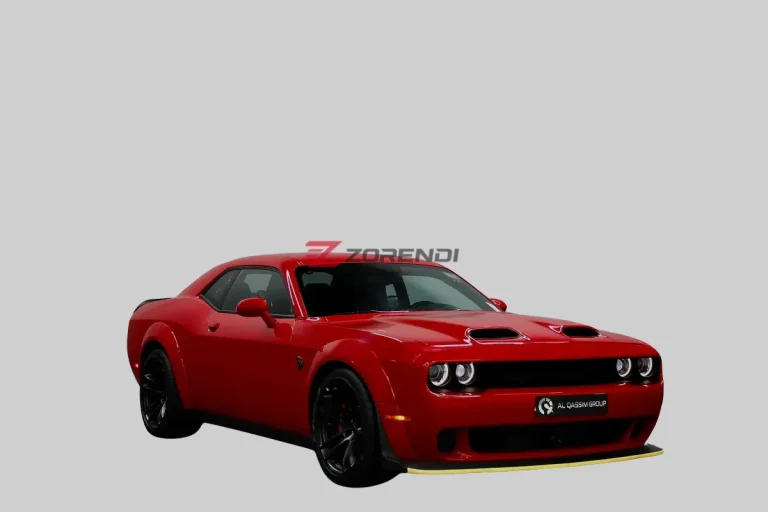
I once parked next to a Hellcat at a Dubai car meet, and it dwarfed my friend’s Mustang. The flared fenders and low-slung profile give it a presence that’s unmatched. The dual-snorkel hood on the Super Stock isn’t just for show—it channels air directly to the supercharger, increasing airflow by 18% compared to standard hoods. The Brembo brakes, with 15.4-inch front rotors and six-piston calipers, provide stopping power to match the acceleration.

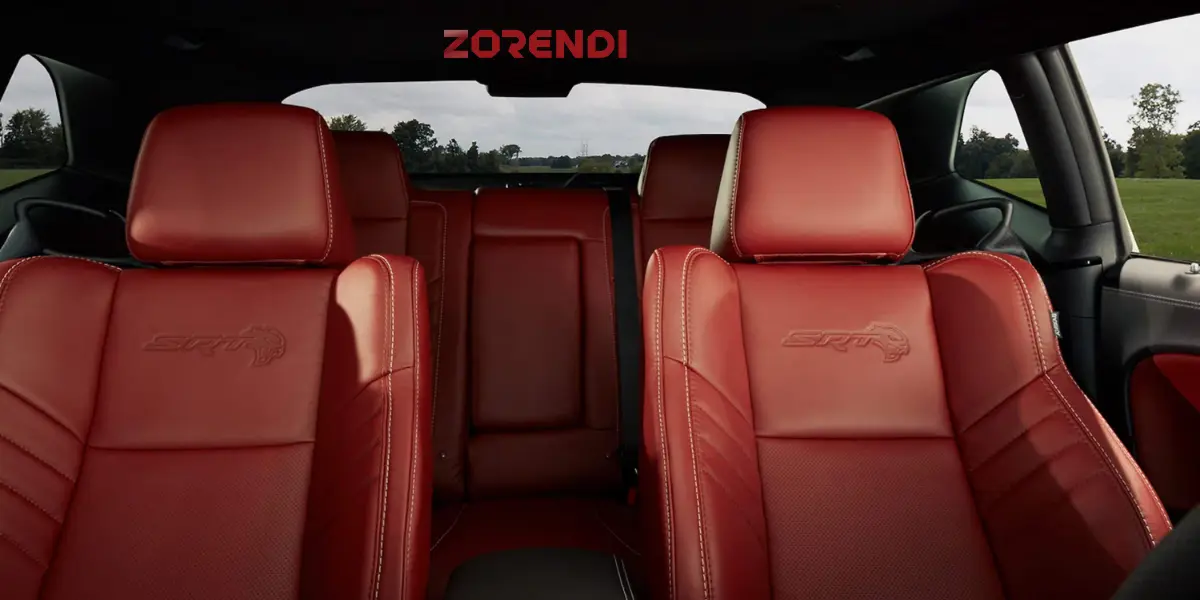
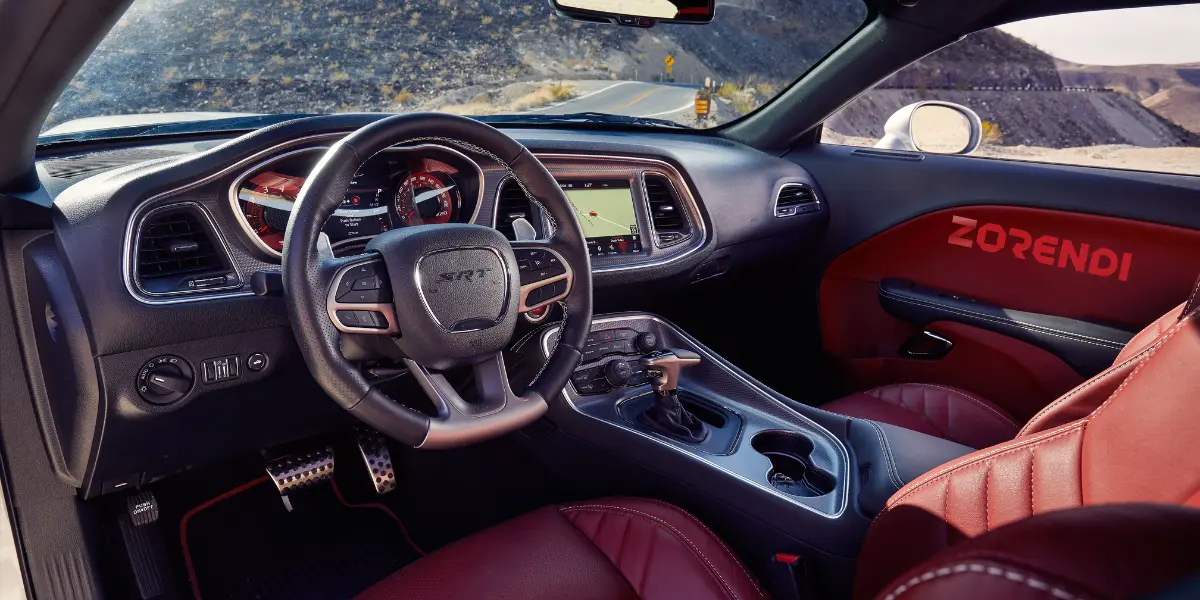
Inside, the Hellcat balances retro charm with modern tech. The 8.4-inch Uconnect touchscreen is intuitive, and the Alcantara-wrapped steering wheel feels grippy during hard driving. My buddy Omar swears by the heated and ventilated Nappa leather seats, especially in Dubai’s scorching summers. However, the plastics can feel cheap, and rear visibility is abysmal—small trade-offs for a car this ferocious.

Comparison with Competitors

The Hellcat doesn’t exist in a vacuum. It squares off against heavyweights like the Ford Mustang Shelby GT500 and Chevrolet Camaro ZL1. Let’s break it down:

  • Ford Mustang Shelby GT500: With 760 hp from a 5.2L supercharged V8, the GT500 is a track monster. Its 7-speed dual-clutch transmission and MagneRide suspension make it more agile than the Hellcat, especially in corners. But at 3.5 seconds to 60 mph and a 290 km/h top speed, it lags behind the Redeye’s 3.4 seconds and 327 km/h. The GT500’s sharper handling comes at the cost of the Hellcat’s raw, straight-line dominance.
  • Chevrolet Camaro ZL1: The ZL1’s 650 hp and 880 Nm from a 6.2L supercharged V8 are impressive, but it’s outgunned by the Hellcat’s 797 hp. Its 3.5-second 0–60 time and 306 km/h top speed are close but no cigar. The ZL1 shines on twisty roads, thanks to a lighter chassis (3,820 lb vs. 4,415 lb), but it lacks the Hellcat’s sheer brutality.

I took a ZL1 ivory tower to a friend’s GT500 at a track day in Abu Dhabi, and while it was a beast in the corners, the Hellcat smoked it on the straights. The Hellcat’s dragstrip pedigree—line-lock, launch control, and drag radials—gives it an edge in straight-line performance. For me, the Hellcat’s unapologetic focus on power over precision is what makes it king.

The Auditory Experience

The Hellcat’s supercharger whine is automotive music. It starts with a guttural growl at idle, building to a hellish roar under full throttle. I’ll never forget the first time I heard one at full tilt—it was like a fighter jet taking off. My friend Khaled says he gets goosebumps every time he floors it, and I don’t blame him. The active exhaust system lets you toggle between a “quiet” mode (still loud) and a full-on banshee scream. It’s not just a car; it’s an auditory assault.

The 2.7-liter supercharger’s high-pitched wail is unique, even among other muscle cars. The GT500’s supercharger has a deeper tone, while the ZL1’s is less pronounced. The Hellcat’s sound is so distinctive that you can pick it out in a crowd of revving engines. At a Dubai car meet, a Hellcat’s exhaust note silenced every conversation in the vicinity. It’s not just noise—it’s an experience.

Unique Features

The Hellcat is packed with features that make it a one-of-a-kind machine:

  • SRT Power Chiller: Diverts A/C refrigerant to cool intake air, boosting power in hot climates.
  • Line-Lock System: Locks the front brakes for burnouts, perfect for dragstrip prep.
  • Dodge Performance Pages: Customizable settings for engine, transmission, and suspension, displayed on the Uconnect screen.

My friend Sami used the Performance Pages to fine-tune his Redeye’s launch control, shaving 0.2 seconds off his quarter-mile time. The Widebody’s 305-section tires and competition suspension make it surprisingly capable in corners for a 4,415-lb car. The Jailbreak package’s customization options let you create a Hellcat that’s uniquely yours, from Go Mango paint to red seat belts.

Conclusion

The Dodge Challenger SRT Hellcat is more than a car—it’s a legacy. Its 797 hp supercharged V8, menacing design, and unapologetic attitude make it the ultimate expression of American muscle. Driving one feels like taming a wild animal, a thrill that’s hard to put into words. Whether you’re burning rubber at a dragstrip or cruising Dubai’s highways, the Hellcat delivers an experience that’s raw, emotional, and unforgettable.

As Dodge moves toward electrification, the Hellcat’s V8 roar may soon be a memory. But for now, it remains the king of muscle cars, a testament to an era when power trumped everything.

Comments

  • No comments yet.
  • Add a comment
    Word list
    Post Your Ad Free