
A Guide to Buying and Maintaining Your First Boat in Dubai
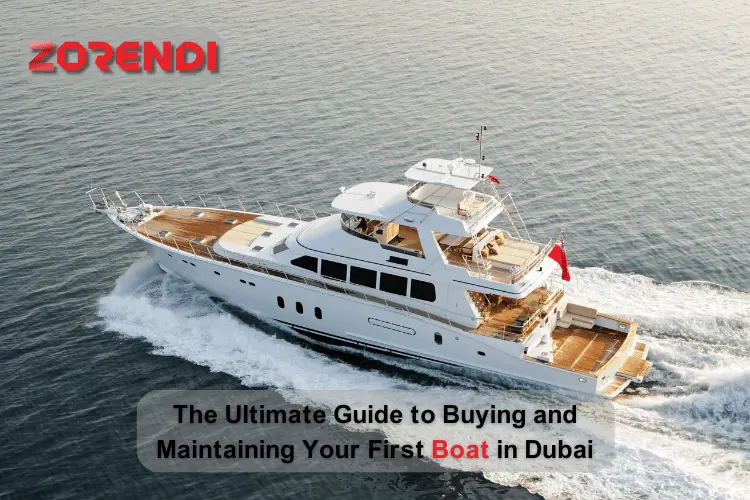
Owning a boat in Dubai is a dream for many, and trust me, it’s as exciting as it sounds. Whether you’re new to boating or considering your first boat purchase in this beautiful city, this guide will walk you through everything I’ve learned over the years. From understanding the local boating scene to making sure your boat stays in top shape, I’ll share my personal experiences to help you get the most out of your investment.
Why Dubai is One of the Best Places to Own a Boat
When I first arrived in Dubai, one of the first things that caught my attention was the stunning coastline and the constant sunshine. It quickly became clear why so many people in the UAE choose boating as their favorite pastime. The water is warm, the scenery is breathtaking, and the endless options for cruising around the Arabian Gulf make boat ownership incredibly appealing.
Dubai is home to a number of excellent marinas, pristine beaches, and beautiful islands, making it one of the most convenient places for boating. Whether you’re interested in a weekend getaway or daily adventures, Dubai offers a boating lifestyle that’s second to none. However, owning a boat here comes with a unique set of considerations, which is why I’m here to guide you through it.
Choosing the Right Boat for Your Needs
The first step in purchasing a boat in Dubai is determining what type of boat you need. I’ll admit, this was one of the hardest decisions for me when I bought my first boat. There are so many options, and what works for one person might not work for another. Here’s what I’ve learned about different types of boats and their purposes:
- Luxury Yachts: If you’re looking to entertain guests or take long trips out to sea, a yacht might be your best choice. These boats come with all the amenities you can imagine and offer luxurious comfort.
- Speedboats: Perfect for the thrill-seeker! Speedboats are ideal for fast trips and water sports like wakeboarding, water skiing, and jet skiing.
- Fishing Boats: If you enjoy fishing, this is the boat you need. They are designed for longer trips and come with all the gear needed to catch fish while at sea.
- Sailing Boats: For those who love the idea of gliding across the water without an engine, sailing boats offer a peaceful experience on the water. I’ve always found sailing in the calm Dubai waters to be incredibly relaxing.
When I first bought my boat, I opted for a speedboat. It was perfect for quick getaways and weekend adventures with friends. Knowing what you want to do with the boat is key in making the right decision.
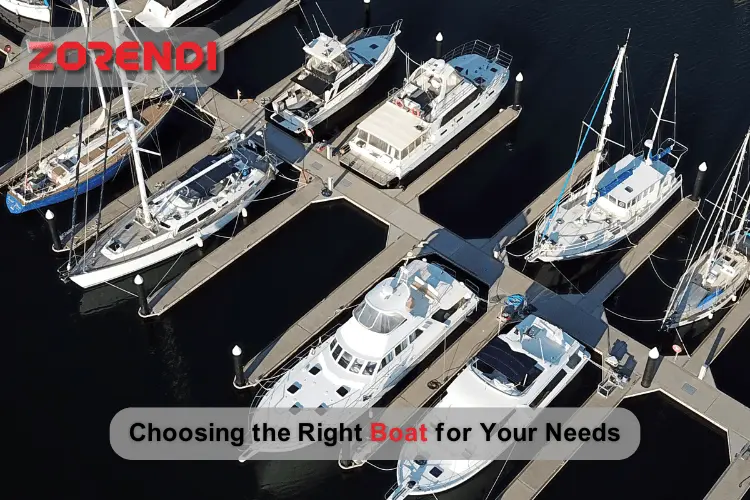
If you’re ready to buy a boat in Dubai, make sure you’re fully prepared to enjoy every moment on the water and the journey ahead.
The True Cost of Boat Ownership in Dubai
A common mistake I made when purchasing my boat was focusing only on the initial price. While the cost of buying the boat is a significant investment, there are ongoing expenses that I had to factor in. Here’s what I’ve learned over time:
- Docking Fees: Depending on where you dock your boat, fees can vary greatly. Popular marinas in Dubai can charge around AED 20,000–30,000 annually for a medium-sized boat.
- Maintenance: Like any vehicle, your boat will require regular maintenance. This includes engine checks, hull cleaning, and replacing parts as needed. I spend anywhere between AED 2,000 and AED 5,000 annually for upkeep.
- Insurance: Boat insurance is crucial. For my boat, insurance costs ranged from AED 3,000 to AED 8,000 annually, depending on the boat’s value.
- Fuel: Fuel costs can add up, especially if you use your boat frequently. On average, I spend around AED 500–1,500 a month on fuel, depending on how much I take the boat out.
- Navigating the Paperwork: What You Need to Know
Before you can hit the waters, you’ll need to get all the legalities squared away. Dubai has strict regulations when it comes to boat ownership, and getting the paperwork right is essential to avoid any issues down the road. From my experience, here’s what you’ll need to do:
| Costs | Description Approximate | Amount |
| Boat Purchase | Cost Price of various boats, from second-hand to new models. | From AED 5,000 to AED 50,000+ |
| Registration & Licensing | Cost of boat registration and obtaining the necessary licenses in Dubai. | AED 200–250 |
| Maintenance Costs | Includes regular maintenance, part replacements, and engine care. | AED 2,000–5,000 annually |
| Boat Insurance | Annual insurance costs based on the type of coverage. | AED 3,000–8,000 annually |
| Fuel Costs | Fuel expenses depending on the type of boat and frequency of use. | AED 500–1,500 monthly |
| Docking/Marina Fees | Costs for docking at various marinas in Dubai. | AED 20,000–30,000 annually |
Boat Inspection
If you’re buying a used boat, it must pass an inspection at an RTA-approved center like Tasjeel. This ensures that your boat is seaworthy and up to standard.
Registration
Once your boat is inspected, you’ll need to register it with the Dubai Maritime City Authority (DMCA). The registration process is straightforward, but you’ll need all the required documents, including your Emirates ID, residency visa, proof of ownership, and proof of insurance.
Boating License
Dubai requires you to hold a valid boating license to operate a boat. You’ll need to pass both a theoretical and practical exam. This is something I found useful, as it helped me become familiar with Dubai’s waters and boating regulations.
Maintaining Your Boat in Dubai
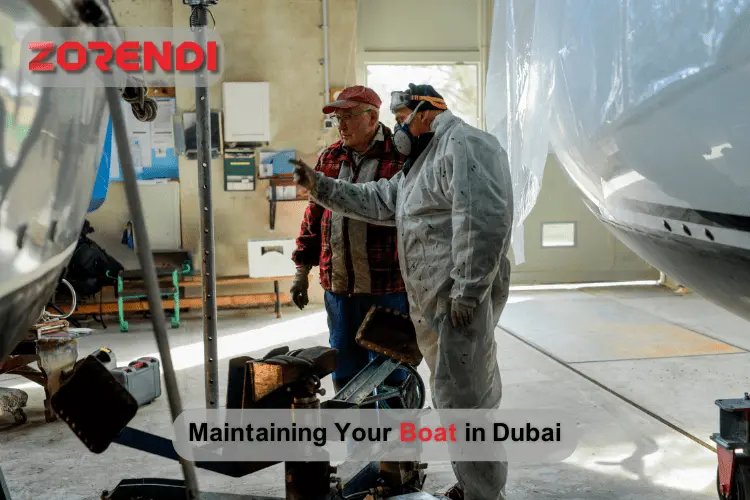
After purchasing my boat, I quickly realized that maintenance is key to enjoying the boating lifestyle without surprises. From engine care to hull cleaning, there are a few things you’ll need to stay on top of:
- Engine Care: Like any motor vehicle, your boat’s engine needs regular checks and oil changes. I make it a point to have the engine serviced at least once a year and keep it in peak condition for those spontaneous trips.
- Hull Maintenance: Dubai’s saltwater can cause corrosion and build-up on your boat’s hull, so I always make sure to wash the hull after each use. This helps maintain its condition and longevity.
- Battery Check: Boat batteries can be easily forgotten, but I learned that checking the battery regularly is essential, especially before long trips. Replacing the battery every couple of years ensures reliability.
- Winterizing: Even though Dubai’s climate doesn’t get cold enough for snow, I still take steps to winterize my boat. Covering it and giving it a thorough cleaning before the off-season prevents long-term wear.
The Freedom of Boating in Dubai
The thrill of owning a boat in Dubai is something I can’t fully describe in words. It’s not just about the purchase—it’s about the lifestyle. Whether you’re cruising along the Palm Jumeirah or enjoying the sunset at Dubai Marina, boating in Dubai is a unique experience. It’s a way to explore the beauty of this city in a way few people get to.
Before you make your decision, though, make sure to carefully evaluate all the aspects of boat ownership. With the right boat, proper maintenance, and a clear understanding of costs, you can enjoy the freedom of the open water without any surprises.
FAQ:
- Q: What hidden costs should first-time boat buyers in Dubai be aware of?
- A: Aside from the purchase price, expect additional costs like annual boat surveys, saltwater maintenance, fuel for onboard utilities, and weather-related storage expenses.
- Q: How often should I service my boat in Dubai?
- A: Boats should be serviced at least once a year, especially after the summer months, to ensure the engine and hull are in good condition, especially in saltwater environments.
- Q: Do I need a license to operate a boat in Dubai?
- A: Yes, you need a valid boating license to operate a boat in Dubai. You must pass both theoretical and practical exams to obtain it.
- Q: Are there any restrictions on where I can use my boat in Dubai?
- A: Yes, boats must be used in designated waters, and certain zones have speed limits or require permits. Always check local regulations before heading out.
Happy sailing!
Read More: A Guide to Buying a Motorcycle in Dubai for Newbies

I’ve been working in the automotive and digital space for over 10 years, focusing on how vehicles are presented, evaluated, and sold online.
The listings and articles here are based on real experience with the Dubai market, from pricing trends to common issues in used cars and motorcycles.
Over time, I’ve learned that small details matter. A clean-looking vehicle doesn’t always mean a good deal.
Every listing is reviewed with a practical mindset, and every article is written to help you make a better decision, not just a faster one.
The goal is simple: give you clarity before you spend your money.
Comments

Maxwell889
May 24, 2025 at 11:22 amVery good, How long does it take to get a boating license in Dubai?
-

Samy Al-Nuaimi
May 24, 2025 at 1:37 pmThe process usually takes a few weeks, including theory classes, practical training, and the final test. Some centers offer intensive courses if you want to speed up the process


Hannah4297
May 24, 2025 at 11:42 amGreat article! How much should I budget for annual boat maintenance in Dubai?
-
Samy Al-Nuaimi
May 24, 2025 at 1:31 pmThank you! Annual boat maintenance costs in Dubai can vary depending on the boat’s size and type, but typically range from AED 5,000 to AED 20,000. Regular servicing helps avoid unexpected expenses.

Gabrielle248
May 23, 2025 at 8:00 pmSeriously, thx for this article I’ve been lookin 4 a real guide about buying a boat in Dubai that actually tells u the truth, not just go buy one stuff lol. Most ppl never talk about the real cost of boat ownership in Dubai like marina fees, maintenance, insurance, fuel all that adds up quick
I’m also into speedboats like u nothing beats that feeling of freedom out on the Dubai waters
And the part about engine & battery checks? Gold! It’s super easy 2 forget that stuff until it’s 2 late
Didn’t even know u need a boating license in Dubai with both theory & practical exams so that info saved me a headache later on for sure.
Honestly felt like I was chattin with a friend, not reading some boring ad. Love how u kept it real & personal that made it super helpful.
Waiting 4 more posts like this!
This is a must-read for anyone thinkin of buyin a boat in Dubai!!
Clyde1255
May 23, 2025 at 8:52 pmWhat are some good resources for learning more about boating in Dubai?
Samy Al-Nuaimi
May 24, 2025 at 1:42 pmThe Dubai Maritime City Authority website, local boating clubs, and marine dealers are excellent resources for up-to-date information and training.
Tavakol
June 1, 2025 at 4:10 pmDude! Zorendi is the best.