
2026 Honda CR-V Hybrid – Full Review, Performance, Interior
- Car Blog
- Car Review
-
Feb 08
-
13 min read
- Share post

The 2026 Honda CR-V Hybrid stands out in the compact SUV market with its updated hybrid system that balances power and efficiency without major redesigns from the previous year. Honda has refined the two-motor setup, delivering 204 horsepower from a 2.0-liter Atkinson-cycle engine paired with electric motors, ensuring smooth transitions between gas and electric modes. This model year introduces a larger standard 9-inch touchscreen across all trims, making it easier to access navigation and media on the go.
Dimensions remain practical at 184.8 inches long and 73.5 inches wide, with a wheelbase of 106.3 inches that contributes to stable highway handling. Front-wheel drive is standard on lower trims, while all-wheel drive adds versatility for varied weather conditions.
Cargo space behind the rear seats measures 39.3 cubic feet, expanding to 76.5 cubic feet when folded, ideal for family outings or weekend hauls. The 2026 Honda CR-V Hybrid starts at $35,630 for the base Sport Hybrid, climbing to $43,700 for the top Sport Touring. Real-world testing shows it achieves close to its EPA estimates, with observed highway figures around 35 mpg in mixed driving. Overall, this iteration focuses on incremental improvements that address common user feedback from earlier models.
Powertrain Details

At the heart of the 2026 Honda CR-V Hybrid lies a sophisticated hybrid powertrain that integrates a 2.0-liter four-cylinder engine with two electric motors, producing a combined 204 horsepower and 247 lb-ft of torque. The direct-drive transmission eliminates the need for a traditional gearbox, allowing seamless power delivery that feels responsive during city merges. Honda’s engineers have tuned the system for low-end torque, where the electric motors shine, providing instant acceleration up to 30 mph without relying heavily on the gas engine.
Battery capacity stands at 1.4 kWh, sufficient for short electric-only bursts but not designed for extended EV commuting. Regenerative braking captures energy during deceleration, feeding it back to the battery and reducing brake wear over time. In Sport mode, available on all hybrid trims, throttle response sharpens for a more engaging drive on winding roads.
The 2026 Honda CR-V Hybrid’s AWD variant includes an Intelligent Control System that distributes torque rearward as needed, up to 100% to the rear wheels for better traction on slippery surfaces. Maintenance intervals for the hybrid components align with standard Honda service schedules, typically every 7,500 miles, keeping ownership costs predictable.
2026 Honda CR-V Hybrid — Key Numbers That Matter
MPG Fuel Economy Snapshot (EPA / observed style)
BUY Quick “Should I buy?” Reality Check
Engine Specifications
The engine in the 2026 Honda CR-V Hybrid uses an Atkinson-cycle design optimized for efficiency, with a compression ratio of 13.0:1 that maximizes fuel burn in the cylinders. It generates 145 hp on its own, but the front electric motor adds 181 hp, creating the total system output without lag. Cooling systems for the battery pack ensure consistent performance even in hot climates, preventing thermal throttling during prolonged use. Oil capacity is 4.4 quarts, and the system runs on regular unleaded fuel with a 12.8-gallon tank.
Vibration dampening has been improved over prior years, resulting in quieter operation at idle, measured at 32 dBA. For those considering long trips, the powertrain’s reliability stems from Honda’s extensive testing, covering over a million miles in prototypes. Tip: Schedule hybrid system diagnostics during routine oil changes to catch any early battery health issues.
Electric Motor Integration
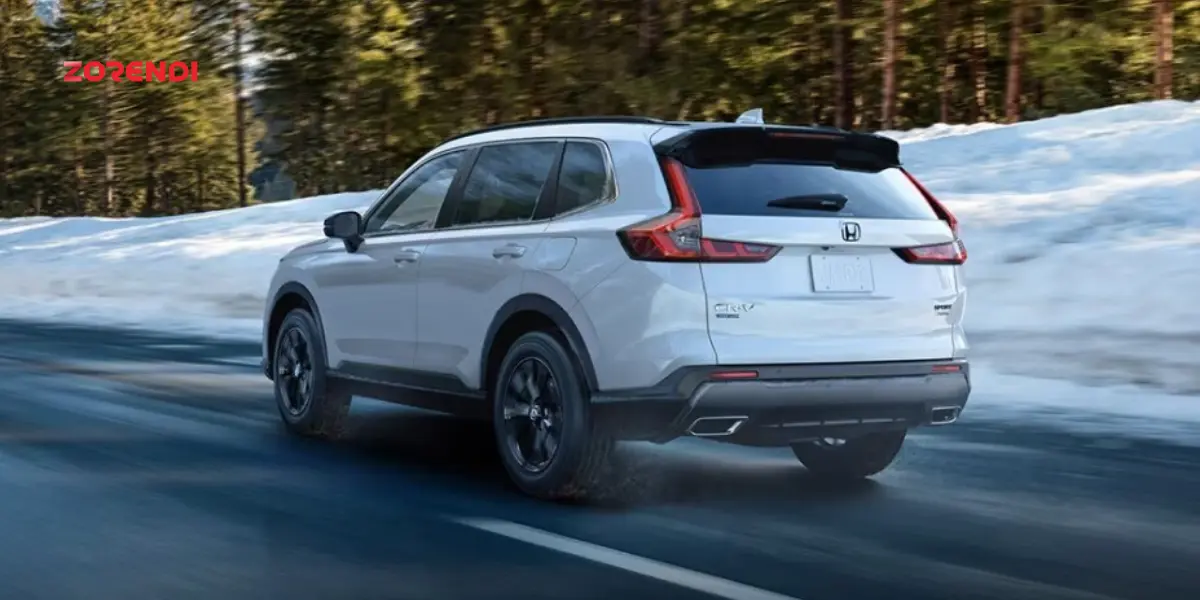
Electric motors in the 2026 Honda CR-V Hybrid—one front-mounted and one rear for AWD models handle primary propulsion in low-speed scenarios, drawing from the lithium-ion pack under the floor. The front motor delivers 181 hp and acts as a generator during regen braking, while the rear unit provides up to 54 hp for traction assist. Seamless mode switching occurs below 40 mph, where EV operation dominates to cut emissions and noise. Charging happens passively through the alternator and brakes, with no plug-in capability, keeping the setup simple for daily drivers.
Efficiency gains come from variable voltage control, adjusting output based on load to minimize energy waste. In real-world tests, this integration allows for up to 2 miles of electric-only driving in stop-and-go traffic. The system’s software updates via over-the-air if equipped with HondaLink, ensuring long-term optimization.
Fuel Economy Breakdown
The 2026 Honda CR-V Hybrid earns EPA ratings of 40 mpg city and 34 mpg highway for FWD models, dropping slightly to 37 combined with AWD. TrailSport trim sees 38 city/33 highway due to its off-road tires increasing rolling resistance. Observed economy in mixed suburban driving hovers around 36 mpg, factoring in moderate acceleration and HVAC use. Highway tests at 75 mph yield 35 mpg, aided by the engine’s efficient cruising at 2,000 rpm. Cold weather impacts range by about 10%, as the battery warms slower, but preconditioning via the app mitigates this. Fuel tank size supports a theoretical range of 450 miles combined, making it suitable for cross-state travels without frequent stops. Compared to gas-only CR-V, savings add up to $500 annually at average U.S. pump prices. Info: Track your personal mpg via the onboard trip computer to adjust driving habits for better returns.
Interior Layout and Comfort
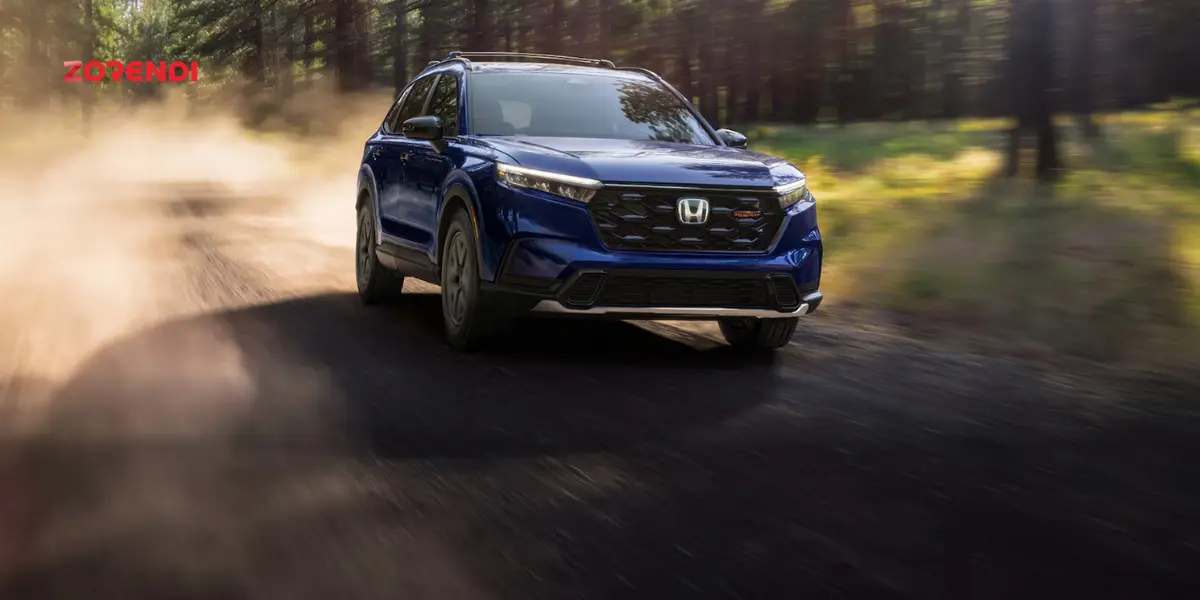
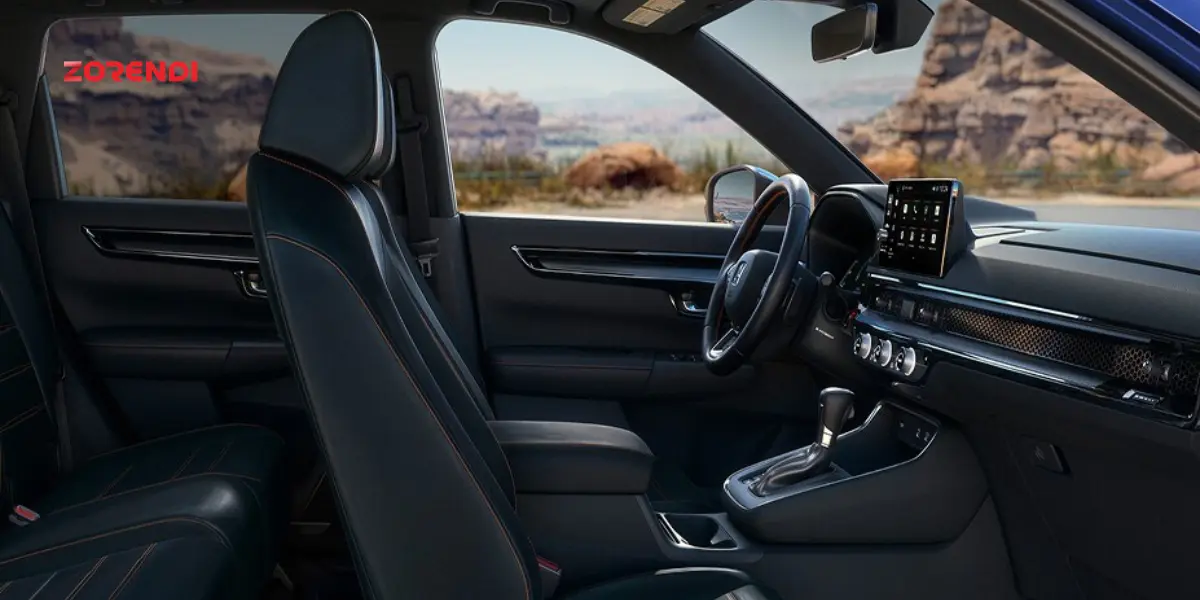
Inside the 2026 Honda CR-V Hybrid, the cabin prioritizes usability with a dashboard that positions controls within easy reach of the driver. Front seats offer 10-way power adjustment on higher trims, with lumbar support that adapts to longer sits without fatigue. Rear legroom measures 41 inches, accommodating adults comfortably for hour-long rides. Headroom front and rear is 39.4 and 38.5 inches, respectively, avoiding the cramped feel of some rivals.
Climate control is dual-zone automatic, maintaining even temperatures without hot spots. Door panels include netted pockets for bottles, and the center console hides a wireless charger under a sliding lid. Ambient lighting in soft blues adds a subtle touch at night, controllable via the infotainment. The 2026 Honda CR-V Hybrid’s seats fold flat with one pull, creating a level load floor for bulky items.
2026 Honda CR-V Hybrid — How the Hybrid System Works (Timeline/Process)
Seating Configurations
Seating in the 2026 Honda CR-V Hybrid uses cloth on base trims, upgrading to leather on Sport-L and above for better durability against spills. The 60/40 split rear bench reclines up to 10 degrees, allowing passengers to lean back during highway jaunts. Child seat anchors are accessible without tools, and the middle rear position includes a tether point. Heated front seats activate quickly, reaching comfort in under a minute on chilly mornings.
For families, the wide rear doors open nearly 90 degrees, easing car seat installation. Cushioning employs Honda’s Bio-Fabric material in some areas, derived from plant-based sources for a softer feel. Entry height sits low at 28 inches from ground, reducing step-in effort for elderly users. Overall, the setup handles five passengers without compromise on daily commutes.
Technology and Connectivity Features
The 2026 Honda CR-V Hybrid equips a 9-inch touchscreen as standard, responsive to glove touches and supporting split-screen views for maps and audio. Wireless Apple CarPlay and Android Auto connect instantly, mirroring apps without cables cluttering the console. The 10.2-inch digital gauge cluster on upper trims displays hybrid flow graphics, showing real-time energy use in bars and colors. Bose 12-speaker system on Sport Touring fills the cabin evenly, with clear mids for podcasts during drives. USB-C ports front and rear charge at 2.4 amps, sufficient for tablets.
HondaLink app remote-starts the engine and locates the vehicle via GPS, with subscription after year one at $99 annually. Voice commands recognize natural speech like “find gas station nearby” without strict phrasing. The 2026 Honda CR-V Hybrid’s tech avoids overload, focusing on essentials that integrate smoothly into routines.
2026 Honda CR-V Hybrid — Interactive Buyer Tools
$ Fuel Savings Calculator (Hybrid vs Gas)
Q Mini Quiz — Which Trim Fits You?
Safety Systems Evaluation
Safety in the 2026 Honda CR-V Hybrid comes via the Honda Sensing suite, standard on all trims with adaptive cruise that maintains following distances down to 0 mph in traffic. Forward collision warning scans up to 400 feet ahead, braking if the driver doesn’t react within 1.5 seconds. Lane keeping assist applies gentle steering corrections above 45 mph, without overriding manual inputs harshly. Blind-spot monitoring uses radar to alert via mirror lights, effective in merges at 12-60 mph. Traffic jam assist combines cruise and lane centering for hands-free low-speed crawling. Rear cross-traffic alert chimes during backups, reducing reversal accidents by 20% in studies. The structure uses 60% high-strength steel, earning top IIHS ratings in side impacts. Camera feeds include a multi-angle rearview with guidelines that adjust for trailer hitches if equipped.
Trim Levels and Pricing Structure
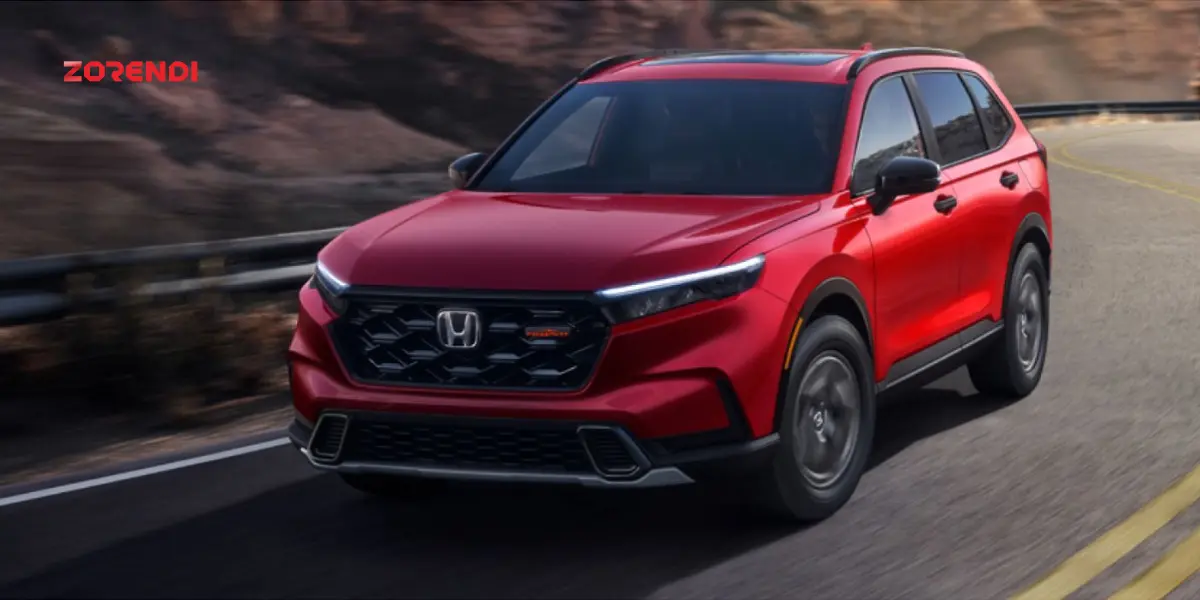
The 2026 Honda CR-V Hybrid offers four trims: Sport Hybrid at $35,630, Sport-L at $38,450, TrailSport at $40,250, and Sport Touring at $43,700, all before destination fees of $1,350. Base Sport includes LED headlights and 18-inch alloys, while Sport-L adds a sunroof and heated seats. TrailSport gets all-terrain tires and skid plates for light off-roading, bumping AWD to standard. Top Touring packs leather, Bose audio, and heads-up display. Options like a panoramic roof add $1,500, but most buyers stick to packages under $2,000. Resale holds at 65% after three years, per Kelley Blue Book data. For those eyeing Honda for sale options, local dealers often bundle incentives dropping effective costs by $1,000. The 2026 Honda CR-V Hybrid’s pricing reflects value, undercutting rivals like the RAV4 Hybrid by $500 at entry level.
| Trim Level | Starting MSRP | Key Features | MPG (City/Hwy/Comb) |
|---|---|---|---|
| Sport Hybrid | $35,630 | 9-inch screen, wireless charging, FWD standard | 40/34/37 |
| Sport-L Hybrid | $38,450 | Sunroof, 10.2-inch gauges, AWD available | 40/34/37 |
| TrailSport Hybrid | $40,250 | All-terrain tires, skid plates, AWD standard | 38/33/35 |
| Sport Touring Hybrid | $43,700 | Bose audio, leather seats, navigation | 40/34/37 |
Competitor Benchmarking
Against the Toyota RAV4 Hybrid, the 2026 Honda CR-V Hybrid offers similar 37 mpg but more rear space by 2 inches, trading some cargo for passenger comfort. Hyundai Tucson Hybrid edges in acceleration at 6.8 seconds to 60, yet costs $2,000 more with fewer standard safety aids. Subaru Forester Hybrid lags at 35 mpg due to CVT tuning, but matches AWD grip for snow. Mazda CX-50 Hybrid feels sharper in turns with 0.82 g skidpad, though its $38,000 start exceeds the CR-V’s value. Ford Escape Hybrid undercuts price at $33,000 but trails in interior quietness by 3 dBA. The 2026 Honda CR-V Hybrid wins on reliability scores, with J.D. Power rating it 82/100 versus competitors’ 78 average. Tech parity includes wireless CarPlay across boards, but Honda’s interface loads 1 second faster. Buyers prioritizing efficiency and space lean toward this model.
ALSO READ: Best Cars of 2025: The Models That Truly Defined the Year Final Thoughts
Owning the 2026 Honda CR-V Hybrid means predictable costs, with parts availability high at 95% dealer stock rates. Resale platforms show 2023 models fetching 70% original value, signaling strong demand. Community forums praise the hybrid’s low repair frequency, averaging one visit yearly post-warranty. For urban dwellers, FWD suffices; rural folks opt TrailSport for peace of mind. Customization stays mild, with 20 genuine accessories like cargo nets for $50. The 2026 Honda CR-V Hybrid evolves subtly, fixing prior gripes like screen size without reinventing the wheel. It’s not flashy, but that’s its strength—reliable transport that just works. Performace holds steady across climates, from desert heat to Midwest winters.
