
How to Buy a Used Car in Dubai? Complete 2026 Buyer Guide
- Car Blog
-
Jun 14
-
10 min read
- Share post
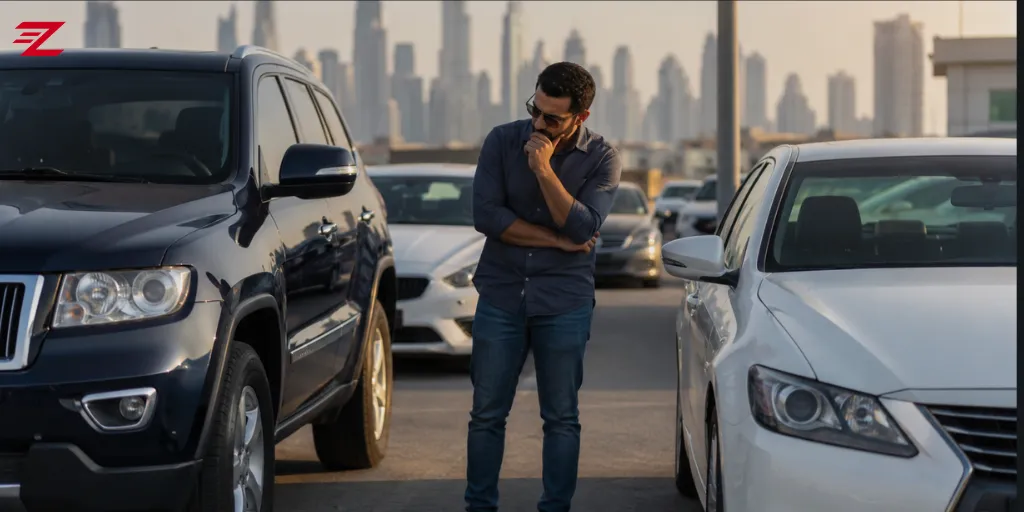
Buying a used car in Dubai in 2026 is not only about finding the lowest price. The market is wide, fast-moving, and full of different vehicle types: GCC-spec family SUVs, imported luxury cars, dealer-certified stock, private seller listings, performance cars, and daily drivers with very different histories.
That is why anyone searching for how to buy a used car in Dubai needs to look beyond the asking price. You need to compare listings, understand GCC vs imported cars, check the seller, arrange a proper inspection, confirm insurance, and complete the RTA car transfer correctly. A cheap car can become expensive very quickly if the paperwork, mileage, accident history, or mechanical condition is unclear.
Start With the Car You Actually Need in Dubai
Before you message sellers, decide what the car must do for your daily life. Dubai buyers often get distracted by badge, trim, or monthly payment, but the better starting point is usage.
A family living in Dubai Hills or JVC may need a reliable SUV with rear AC, space, and service history. Someone commuting between Business Bay and Jebel Ali may care more about fuel economy, warranty, and mileage. A buyer looking at luxury sedans or performance cars should think about maintenance cost, tyre prices, insurance, and resale demand.
Set a realistic budget that includes registration, insurance, inspection, possible repairs, and first service. Do not spend the full amount only on the car. In the UAE used car market, the cleanest deal is not always the cheapest listing. It is usually the one with the clearest history.
Reading Dubai Listings Like a Buyer, Not a Browser
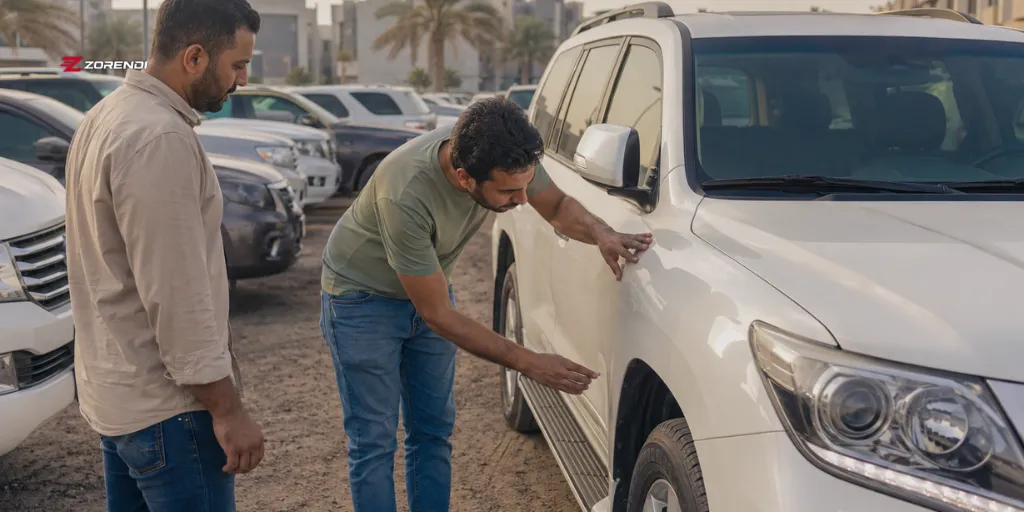
When comparing cars for sale in Dubai, look at the details that change real value. Model year matters, but mileage, trim, condition, accident history, service records, warranty, and seller type often matter more.
A 2022 car with full agency history can be a better buy than a newer car with missing records. A private seller may offer a sharper price, while a dealer may provide easier paperwork, financing options, or warranty support. Neither is automatically better. The quality of the listing and the evidence behind it are what matter.
On a Dubai car marketplace like Zorendi, buyers can compare cars by brand, model, year, mileage, and seller details before contacting anyone. This makes it easier to spot whether a price is normal, high, or suspiciously low.
Compare Market
Check similar listings by year, mileage, trim, seller type, and GCC or imported status.
Ask Before Visit
Confirm accident history, service records, mileage, registration, warranty, and finance status.
Inspect Properly
Use inspection results to judge gearbox, engine, chassis, electronics, tyres, brakes, and AC.
Pay Safely
Complete payment only when documents, transfer path, insurance, and seller identity are clear.
GCC Specs Check
Better cooling suitability, service confidence, and resale clarity for most Dubai buyers.
Imported Car Review
Needs stronger VIN, accident, inspection, and service-history verification before negotiation.
RTA Transfer Prep
Insurance, testing, fines, loan clearance, Emirates ID, and registration details must be ready.
Final Handover
Do not release full payment before the car, documents, and transfer process are verified.
GCC Specs or Imported
The GCC vs imported cars decision is one of the most important parts of buying second hand car Dubai listings. GCC-spec cars are built for Gulf conditions, usually with regional cooling, service support, and easier resale confidence. They are often more straightforward for buyers who want less risk.
Imported cars can look cheaper and may offer higher trims or rare specifications. That does not make them bad, but it does mean the buyer must check more carefully. Some imported vehicles have accident history, flood history, odometer concerns, different warranty conditions, or specification differences that affect resale.
For imported cars, ask for the chassis number, import documents, inspection report, and service history. If the seller avoids these questions, move carefully.
Why Pre-Purchase Inspection Is Worth Paying For?
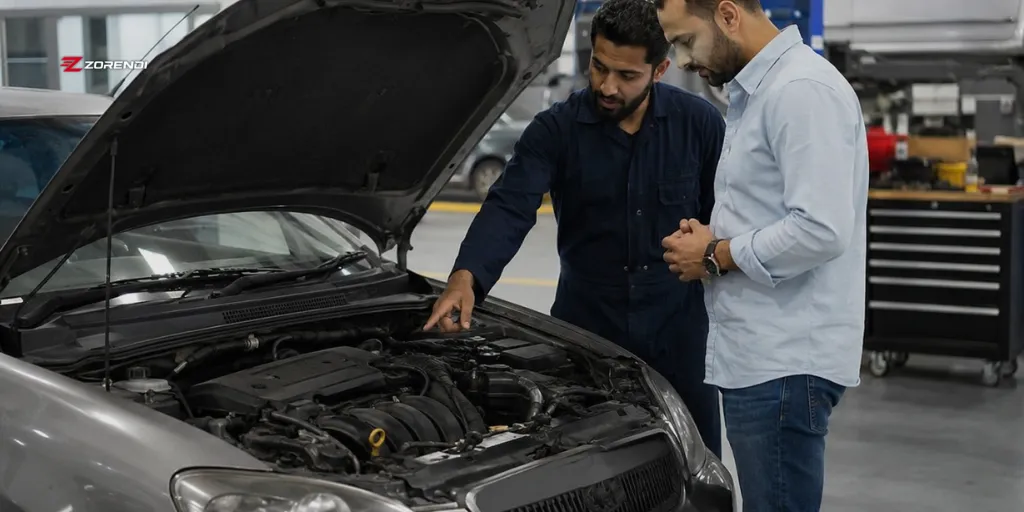
A professional car inspection Dubai service can save buyers from expensive mistakes. This is especially important for luxury cars, SUVs, performance cars, modified cars, imported cars, and vehicles with unclear service records.
A good used car inspection Dubai report should check the engine, gearbox, suspension, brakes, electronics, chassis, paint, accident signs, diagnostic codes, and road behavior. The inspection cost is small compared with the price of repairing a gearbox, air suspension, turbo system, cooling issue, or hidden accident damage.

Questions to Ask Before You Visit the Car
Ask these before driving across Dubai to see the vehicle:
- Is it GCC specs or imported?
- Any accident history?
- Is the mileage original?
- Full service history?
- Any bank loan?
- Valid registration?
- Warranty available?
- Why are you selling?
- Are there inspection reports?
- Is the price negotiable after inspection?
The answers will quickly show whether the seller is transparent or simply trying to close fast.
Pause the Deal When These Signals Appear
- Inspection is refused or delayed
- Documents are incomplete
- Seller pushes for fast payment
- Price is far below the market
Very Low Price
If the price is much lower than similar Dubai listings, check accident history, finance, import status, and hidden repairs.
No Service Records
Missing records make mileage, maintenance quality, and future repair risk harder to judge.
Imported With Unclear History
An imported car can be a good deal, but only when VIN, accident history, and inspection results are clear.
Loan or Transfer Problem
Unpaid finance, fines, or registration issues can delay the transfer and create payment risk for the buyer.
Finding the Real Price
A fair used car price depends on more than year and mileage. Trim, condition, warranty, accident history, service records, market demand, colour, seller urgency, and dealer margin all affect value.
Compare similar listings before making an offer. If three similar cars are listed around AED 95,000 and one is listed at AED 72,000, do not assume you found a bargain. Find out why. It may be urgent sale, high mileage, imported history, accident repair, finance issue, or missing documents.
Use Zorendi to compare relevant brand and model pages when checking market position. The more comparable listings you review, the better your negotiation will be.

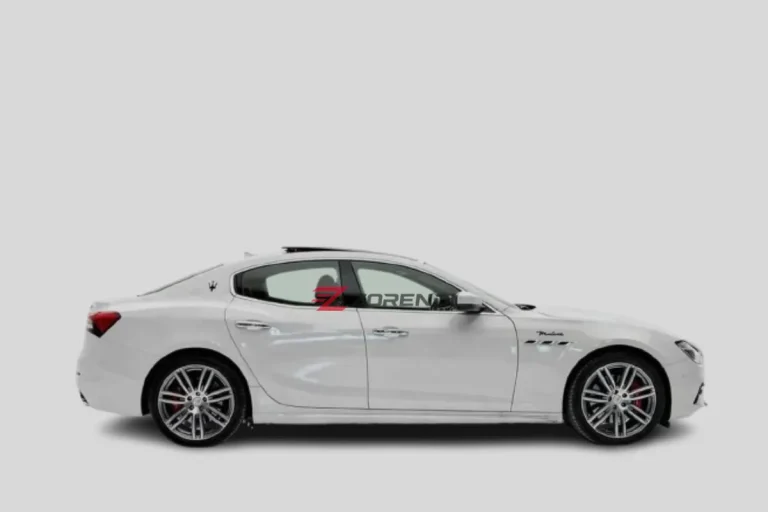

Maserati Ghibli Modena 2022
- 150970 AED
- 2022
- 19245KM
- 6
- Sedan
- Dubai
- GCC
- Ghibli
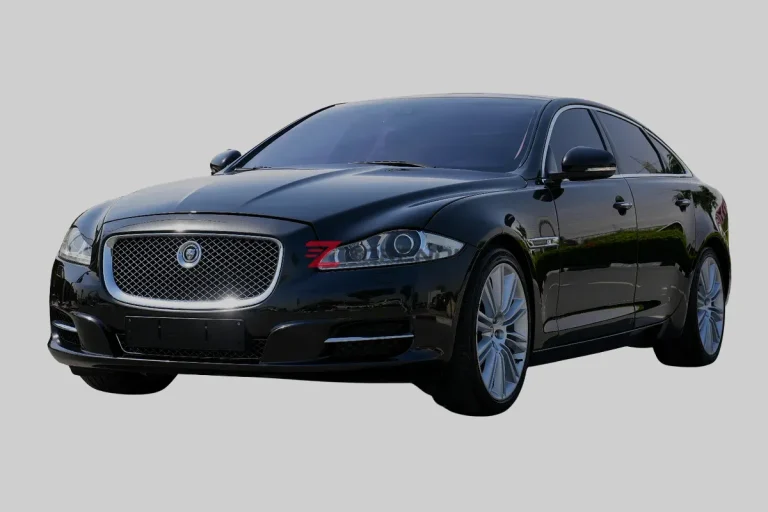
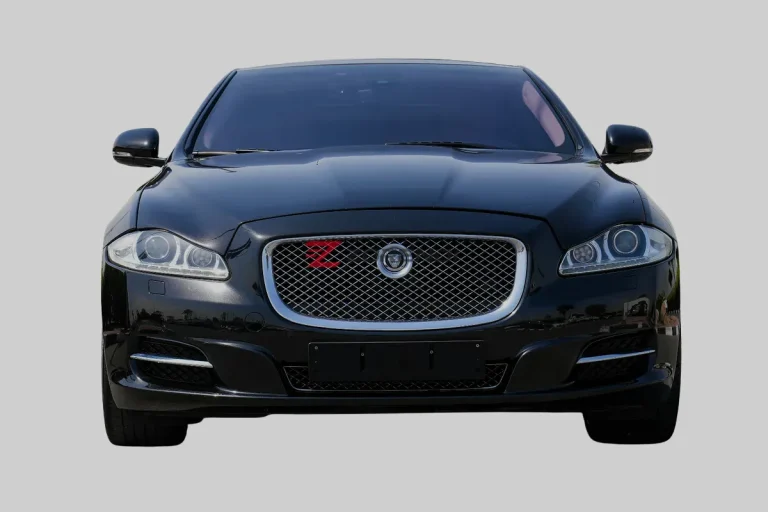
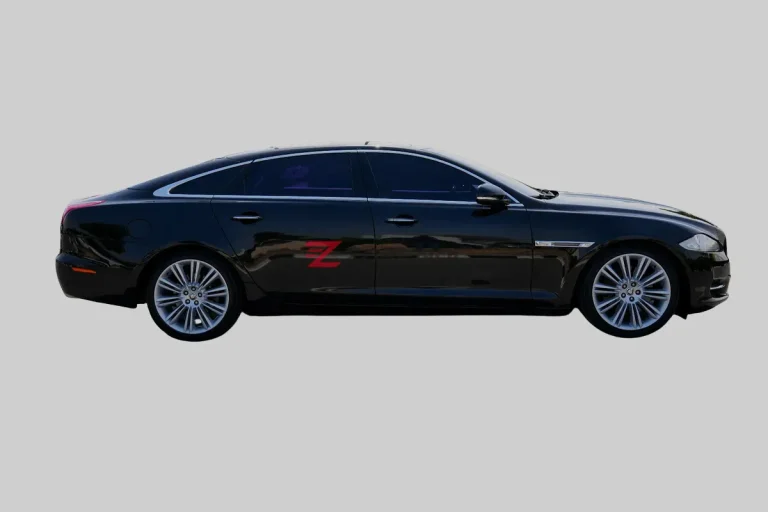
Jaguar XJ Standard 2011
- Dubai
- 29000 AED
- 2011
- 177000KM
- 8
- Sedan
- Dubai
- Korean
- XJ


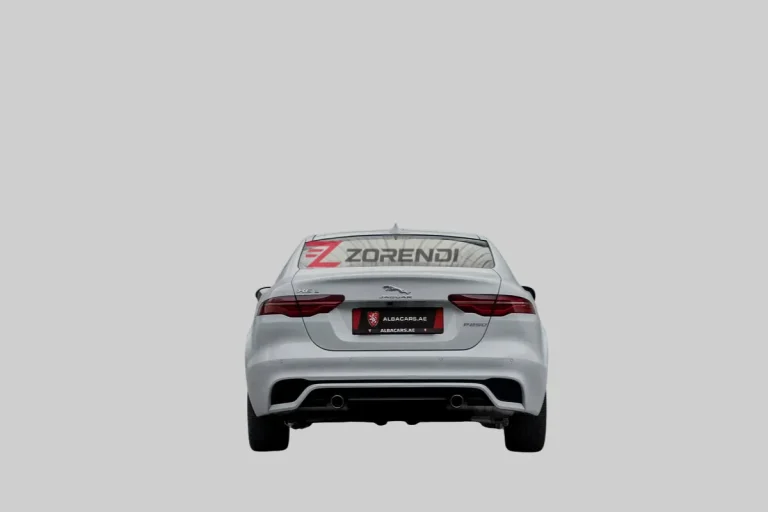
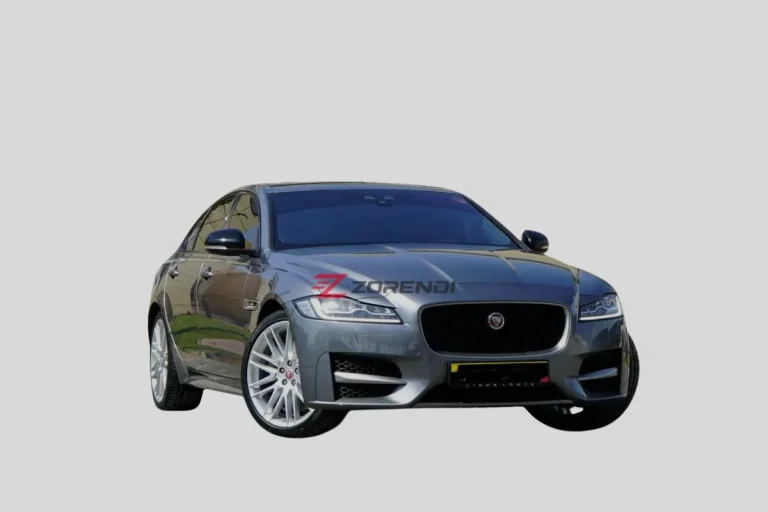
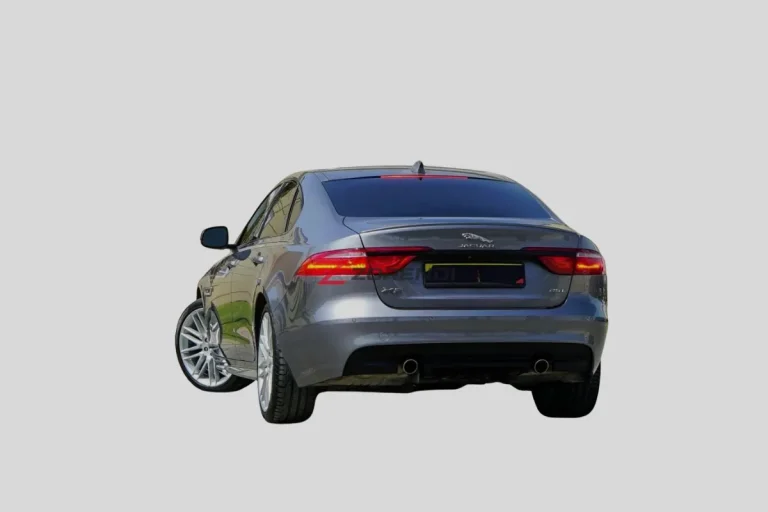
Jaguar XE P250 2025
- Dubai
- 139999 AED
- 2025
- 28KM
- 4
- Sedan
- Dubai
- Other
- XE
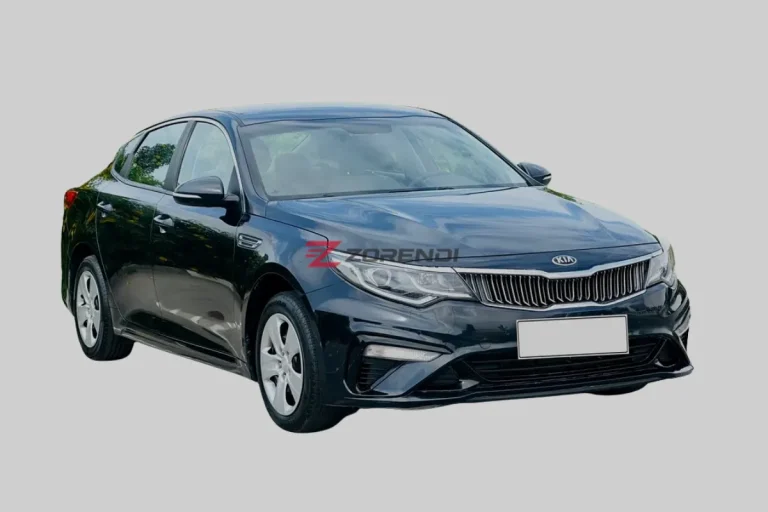
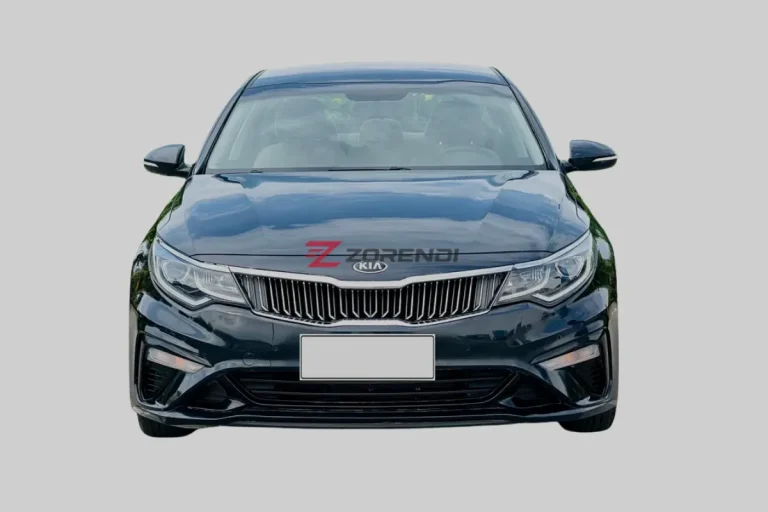
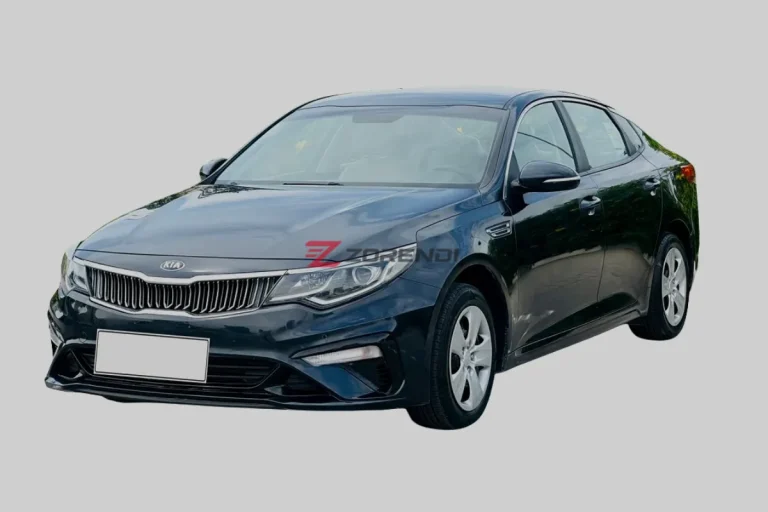
Kia Optima EX Mid 2020
- Dubai
- 32000 AED
- 2020
- 87000KM
- 3
- Sedan
- Dubai
- GCC
- Optima

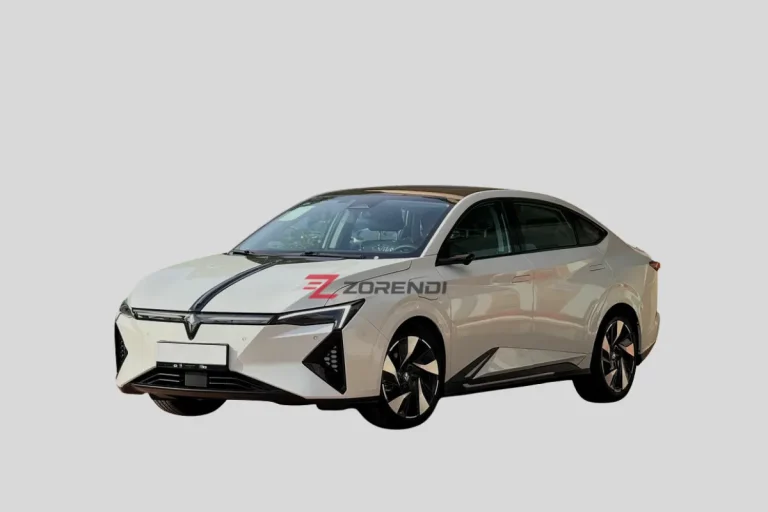
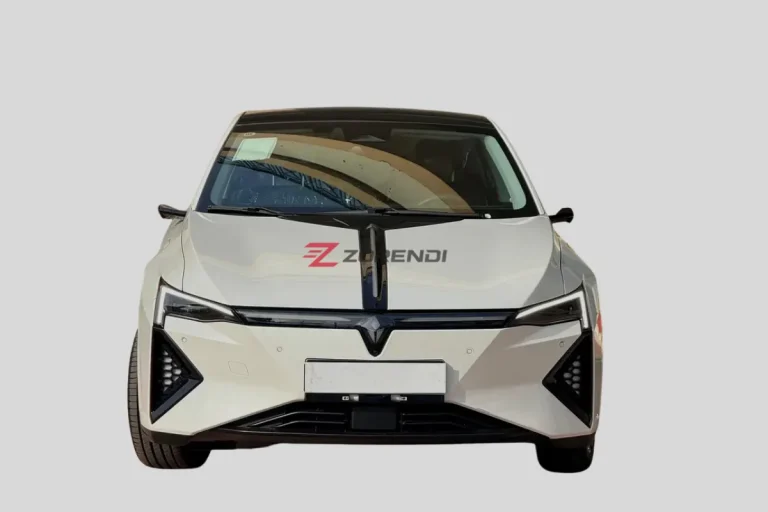
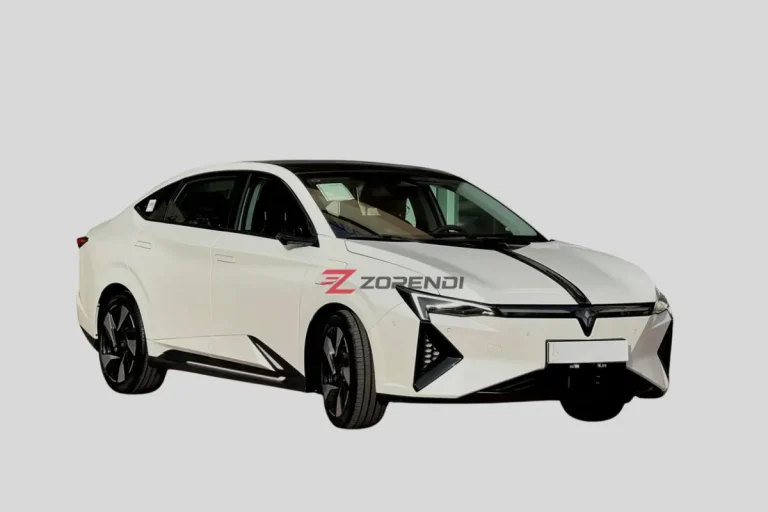
Honda S2000 Roadster 2025
- 90000 AED
- 2025
- 0KM
- None - Electric
- Sedan
- Dubai
- Chinese
- Cars, Honda, S2000
RTA Transfer Without Confusion
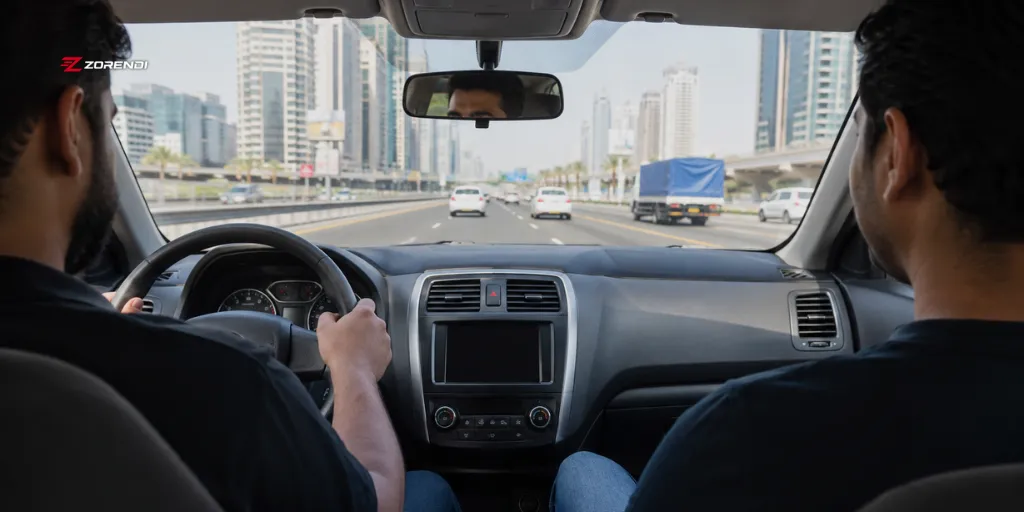
The RTA car transfer process for a Buy a Used Car in Dubai usually involves vehicle testing, insurance in the buyer’s name, clearance of fines or loans, Emirates ID, registration transfer, and plate handling where required. Keep the process practical: documents first, payment only when the transfer path is clear.
For a private deal, both buyer and seller should agree on when payment is made. Many buyers prefer completing payment at the registration centre or using a secure bank method once the car has passed testing and the documents are ready. For dealer purchases, the showroom usually guides the used car transfer Dubai process, but the buyer should still verify all documents.
Red Flags That Should Slow You Down
Some deals should not be rushed. Be careful if the price is too low, the seller is rushing, inspection is refused, documents are missing, or the car is imported with unclear history.
Other warning signs include mileage inconsistency, no service records, accident signs, unpaid finance, registration issues, or a seller who changes the story after you ask direct questions. A good car usually comes with clear answers.
Where Zorendi Fits Into the Buyer Journey
Zorendi helps buyers compare cars for sale in Dubai across different brands, models, years, and seller types. Instead of contacting sellers blindly, buyers can review listing details, compare prices, check mileage, and approach sellers with sharper questions.
Whether you are trying to buy a used car in Dubai, compare a family SUV, check a luxury sedan, or understand a specific model’s market position, using a focused Dubai car marketplace makes the search more structured and less risky.
ALSO READ: Best Electric Cars in Dubai 2026: UAE Buyer Guide Used Car Buying FAQs in Dubai

I’ve been working in the automotive and digital space for over 10 years, focusing on how vehicles are presented, evaluated, and sold online.
The listings and articles here are based on real experience with the Dubai market, from pricing trends to common issues in used cars and motorcycles.
Over time, I’ve learned that small details matter. A clean-looking vehicle doesn’t always mean a good deal.
Every listing is reviewed with a practical mindset, and every article is written to help you make a better decision, not just a faster one.
The goal is simple: give you clarity before you spend your money.